Recovery progress for endangered whales
2021 was the third year of collaborative efforts by the federal government, NGOs, and stakeholders to implement threat reduction measures.


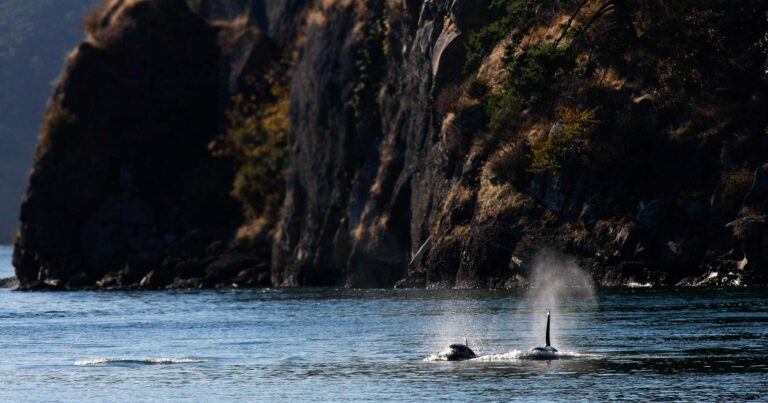
2021 was the third year of collaborative efforts by the federal government, NGOs, and stakeholders to implement threat reduction measures.
Most of this seasonally available habitat is no longer accessible.

We are very pleased to have five passionate students joining our team for the summer. Over the summer, these five youth will contribute to several of our programs, while developing their own skills.
We are already halfway through the year, and I wanted to share with you some of Raincoast’s achievements thus far. This progress relies on donors like you and the entire team at Raincoast sincerely appreciates your support. Here’s a snapshot of Raincoast’s efforts over the past six months.

A new paper, “Chinook salmon exhibit long-term rearing and early marine growth in the Fraser River, B.C., a large urban estuary,” has highlighted the importance of the Fraser estuary as critical habitat for Chinook salmon. The researchers used salmon ear bones, or otoliths, to study how juvenile salmon were using the Fraser estuary, and found…
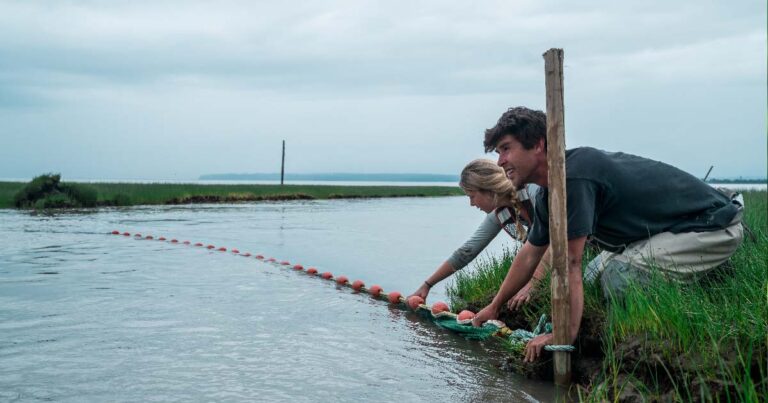
Wild Salmon Research Assistant, Paige Roper, shares about Raincoast’s recent work in the Harrison River.
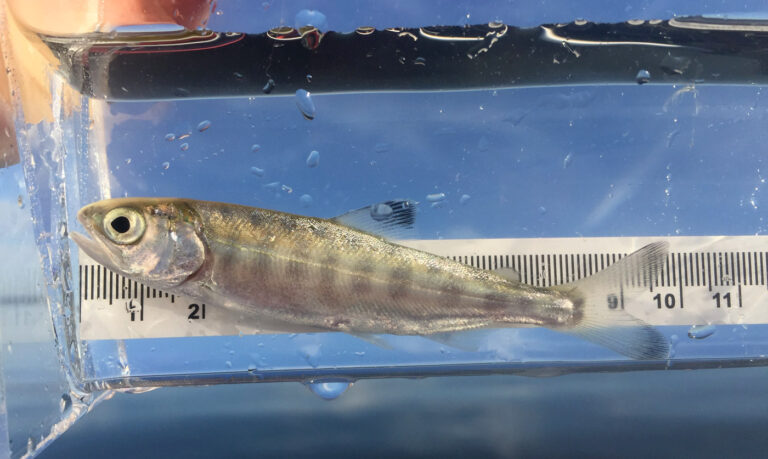
Chinook salmon from the Harrison River, which was declared Canada’s first Salmon Stronghold, do something unique; rather than growing in their home lake and river system for the first year or more as many other salmon do, these fish go on a great adventure.

We have released a new video about the impacts of the Port of Vancouver’s Terminal 2 expansion on Southern Resident killer whales and Fraser River Chinook salmon.

Using tiny salmon ear bones, or otoliths, Raincoast researchers and partners were able to demonstrate that Chinook salmon from Harrison River rely on the Fraser estuary for one to two months while they feed and grow. These findings underscore the critical nature of this habitat for the persistence and recovery of Chinook salmon…
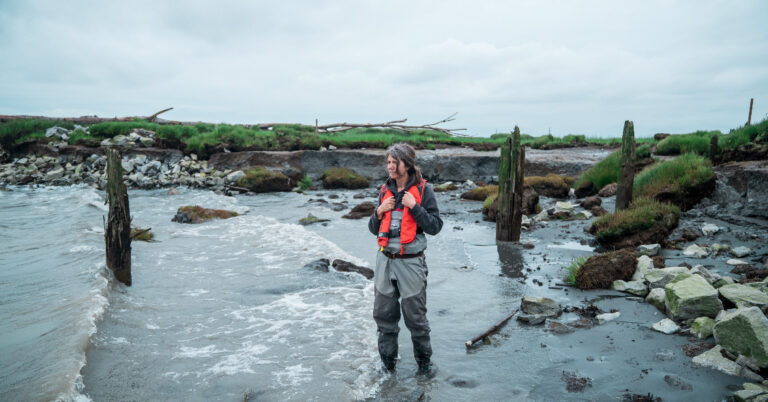
In a six page letter (PDF) to the CEO of the Vancouver Fraser Port Authority, Canada’s minister of Environment and Climate Change, Jonathan Wilkinson, requested more information from the Port to assess the effectiveness of mitigation efforts in the proposed expansion of Terminal 2 on Roberts Bank. Wikinson’s letter conveyed the panel’s conclusion about likely adverse effects to fish, fish habitat and other at-risk species if Terminal 2 proceeds…

Just as we were getting excited about starting our field season to monitor the effectiveness of Raincoast’s Fraser Estuary Connectivity Project, conditions with the pandemic began to get serious and we realized our plans had to change…
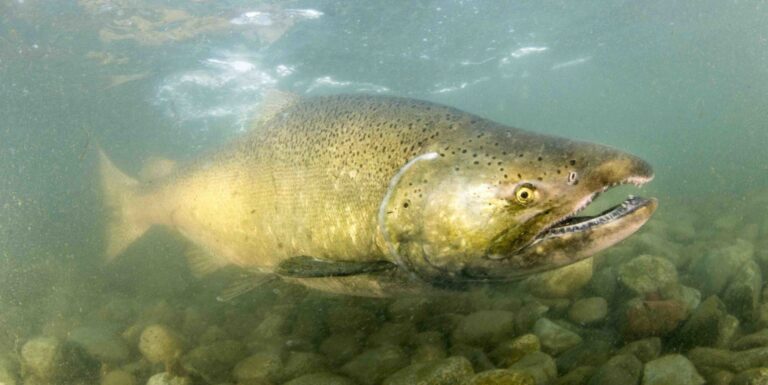
The Port of Vancouver is proposing to double the size of its shipping terminal at Roberts Bank beside the Tsawwassen Ferry Terminal. The existing terminal is already a significant presence in the Fraser estuary. Its 210-acre container terminal connects to the largest coal terminal in North America. A four-kilometre long causeway across the Fraser estuary facilitates truck and rail transit between the terminal and the shore…