More hatchery salmon cannot help endangered killer whales
Raincoast argues that the Puget Sound hatchery program does little to solve the prey problem for Southern Residents.


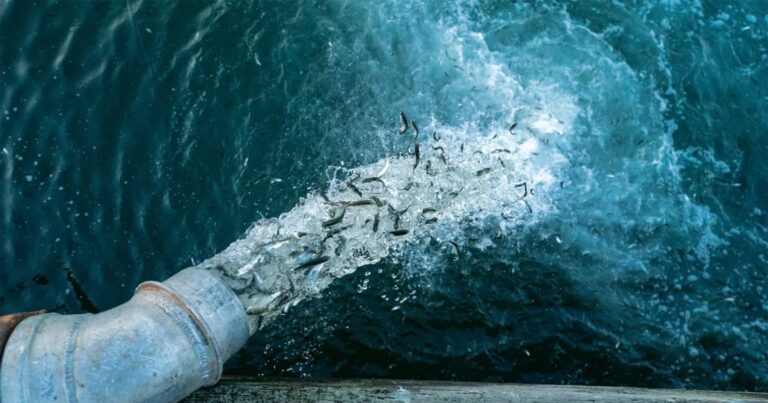
Raincoast argues that the Puget Sound hatchery program does little to solve the prey problem for Southern Residents.
In 2020, the non-profit Wild Fish Conservancy (WFC) filed a lawsuit in the U.S. District Court that challenged the 2019 Biological Opinion developed by the NOAA fisheries.

We have mapped the watersheds that feed into critical habitat for Southern Resident killer whales. Protecting these rivers is directly linked to the recovery of critically endangered whales.

Last week, Raincoast sent a letter in support of the US District court decision to halt the Southeast Alaska troll fishery during the summer and winter seasons. The SEAK troll targets migrating Chinook, over 90% of which are not salmon from Alaska. These Chinook are prey for endangered Southern Resident killer whales as they migrate…
This letter was written by Raincoast Wild Salmon Program Director Misty MacDuffee in support of the US District Court decision to halt the Southeast Alaska troll fishery during the summer and winter seasons.

In May, 2023, a US federal judge issued a ruling to halt the troll fishery off southeast Alaska’s west coast, saying the permits that enable the fishery do not properly protect endangered Southern Resident killer whales.

Our petition reached 4,239 signatures.
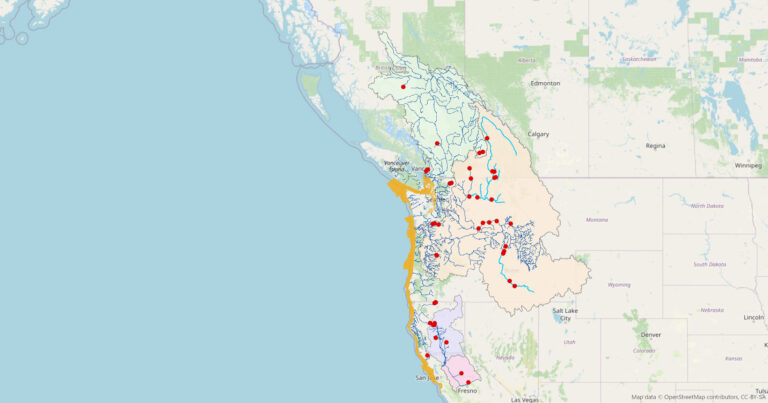
We created this map to emphasize the relationship between the recovery of Southern Resident killer whales and the recovery of wild Chinook salmon.
This is a legally binding petition. If we surpass 500 signatures, the petition is required to be presented to Steven Guilbeault in the House of Commons.
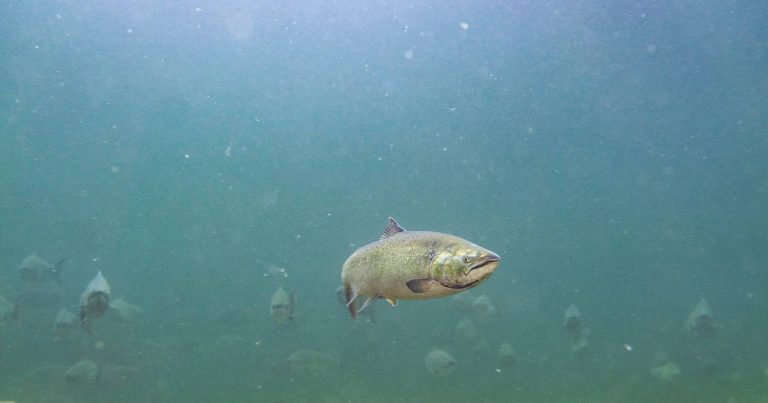
Fisheries and Oceans Canada has proposed opening five new Chinook fisheries in April 2023.

The clock is ticking for the federal Minister of Environment and Climate Change to decide whether to approve or reject Roberts Bank Terminal 2.
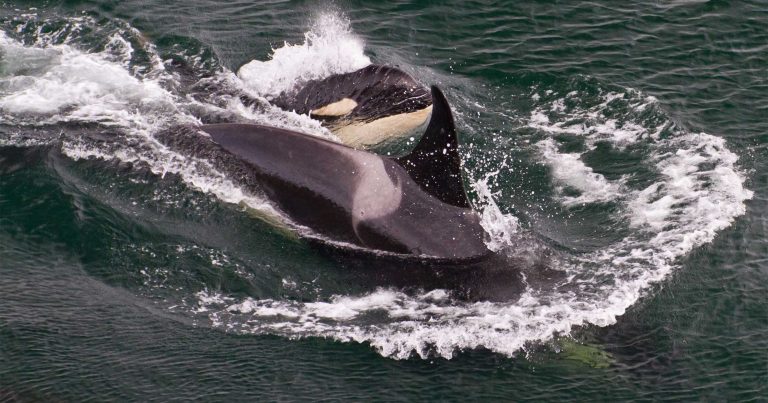
The endangered Southern Resident killer whale population isn’t getting enough to eat, and hasn’t been since 2018, a new study has determined.