Our new whale livestream at a Southern Resident killer whale sanctuary zone
Tune in to the Raincoast Whale Sanctuary Livestream on our Youtube.


What's new // Cetacean Conservation Program

Tune in to the Raincoast Whale Sanctuary Livestream on our Youtube.

We are so excited to launch our new Southern Resident tumblers. We sourced them from Miir choosing their Climate+ model which boasts no new plastic, 25% less stainless steel, is BPA free, and double-wall vacuum insulated. It can hold 16 oz of hot or cold liquid and has a splash proof lid. They feature art…

Suzie Hall has joined our Cetacean Conservation Research team to assist with our new NoiseTracker initiative.
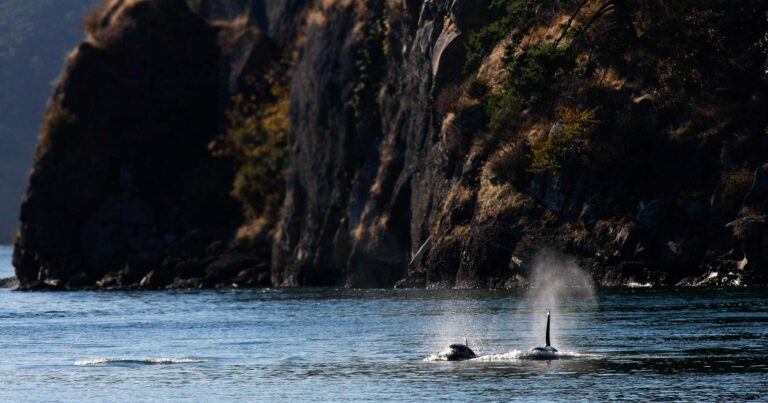
Join Raincoast scientists, Dr. Valeria Vergara, Misty MacDuffee and Dr. Lance Barrett-Lennard, for Below the surface: Culture, genes, conservation, and the future of Southern Resident killer whales.

Celebrating the application of Passive Acoustic Monitoring around the world.

NoiseTracker is a collaborative initiative that hopes to unite all existing hydrophone operators along the BC coast in a common effort to provide an easily accessible central platform for monitoring ocean noise.
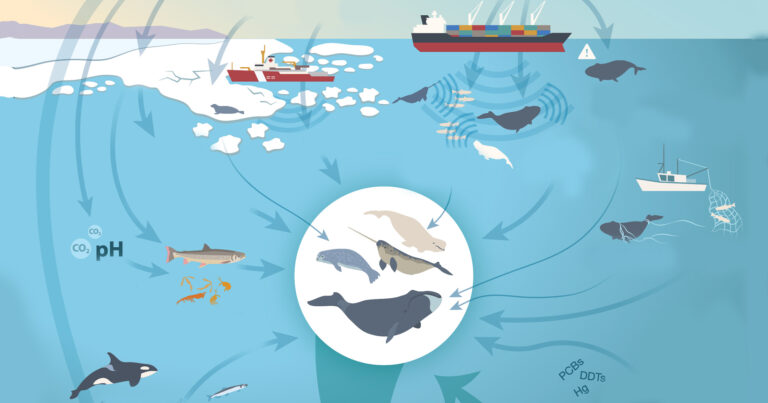
The paper highlights the importance of bridging different ways of knowing, emphasizing that Indigenous Knowledge encompasses more than ‘data,’ and includes holistic expertise on culture, society, language, ethics, relationships, practices, and more.
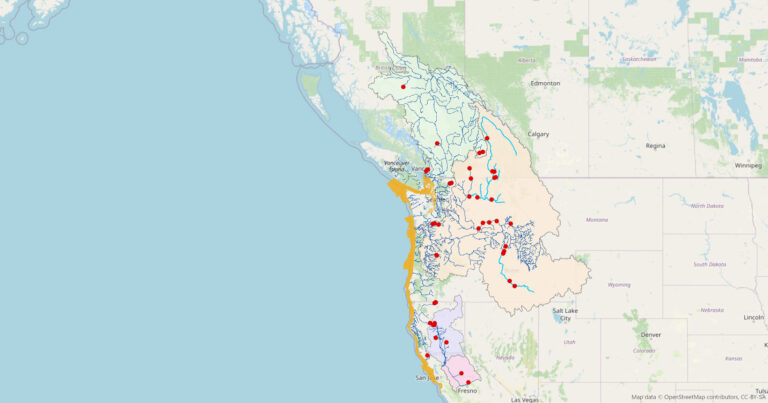
We created this map to emphasize the relationship between the recovery of Southern Resident killer whales and the recovery of wild Chinook salmon.
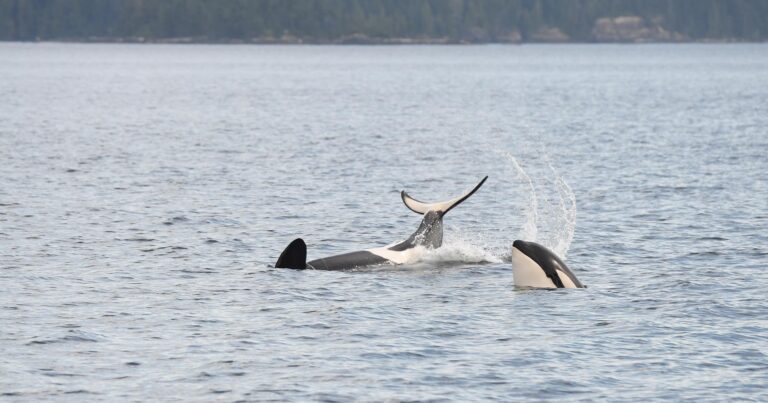
As charismatic mega-predators, killer whales have no equal. Historically feared, respected, in some cultures revered, we now know them to be intelligent and highly social. They also have fascinatingly strong ideas about what constitutes food, with different populations having vastly different preferred prey. Not surprisingly, then, the plight of the critically endangered salmon-eating Southern Resident…
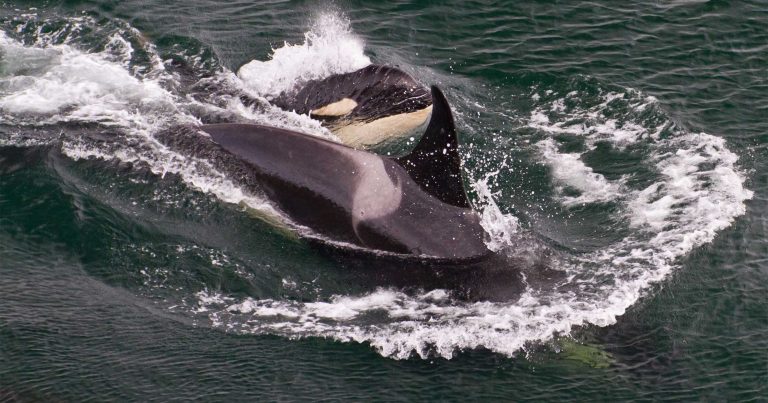
The endangered Southern Resident killer whale population isn’t getting enough to eat, and hasn’t been since 2018, a new study has determined.

Can drones disturb the animals that we strive to understand?
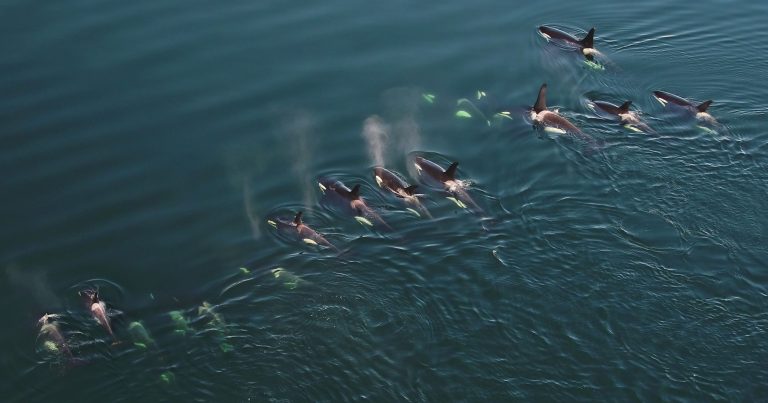
Our research helps us better understand their susceptibility to anthropogenic threats and the impact of those threats, and develop practical and effective measures to reduce them.