Learning from the two lives of grad school
Sharon Kay, graduate student in the Raincoast Applied Conservation Science Lab, shares about her experience in grad school.


What's new // Cetacean Conservation Program
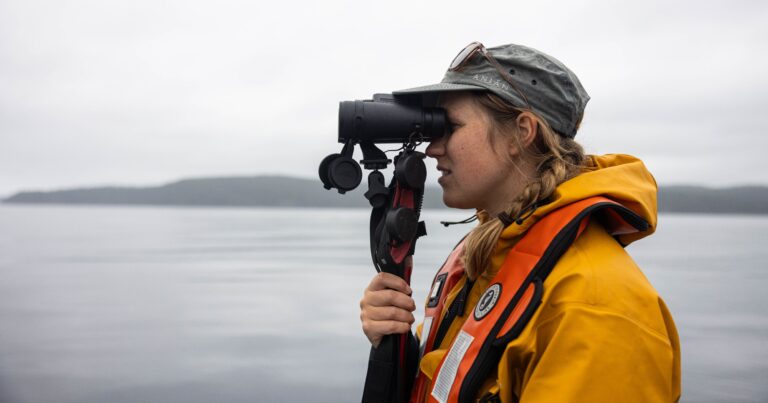
Sharon Kay, graduate student in the Raincoast Applied Conservation Science Lab, shares about her experience in grad school.
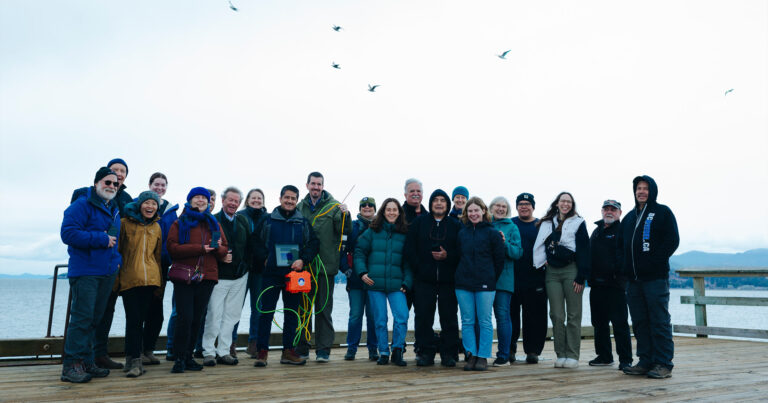
We hosted a learning event on underwater noise.
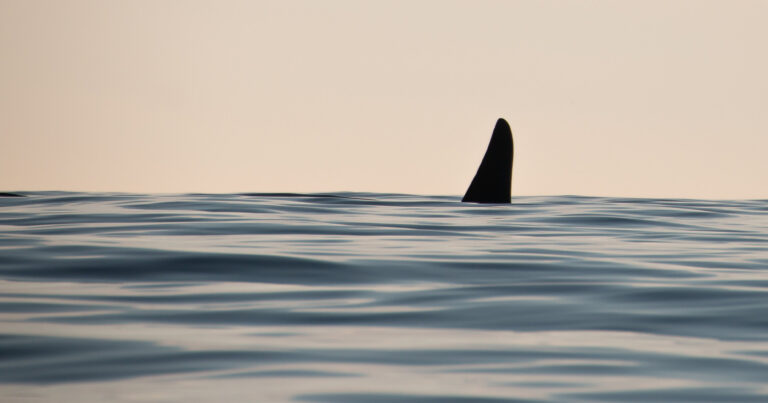
We need to reach 500 signatures by April 21st, 2024 on our House of Commons petition to the Minister of Fisheries and Oceans Canada, Diane Lebouthillier.
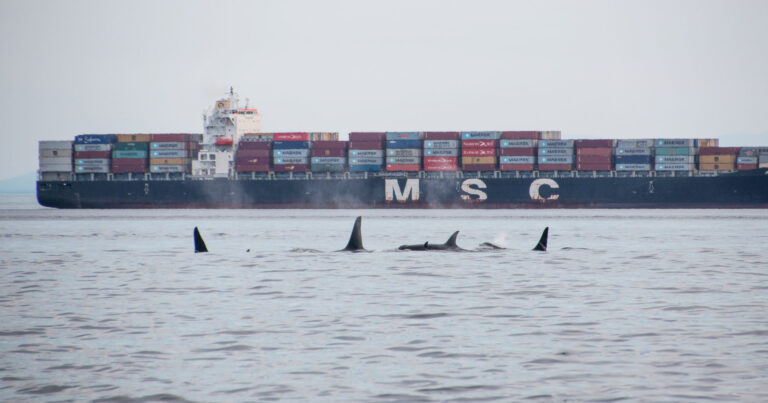
Donate and help us unite hydrophone operators along the pacific coast to increase science-based decision making to reduce noise impacts on marine life, and inform the public about anthropogenic noise.

Erin recently joined the Raincoast’s Cetacean team as a postdoctoral fellow to research humpback whales through her project “Singing to be heard.”
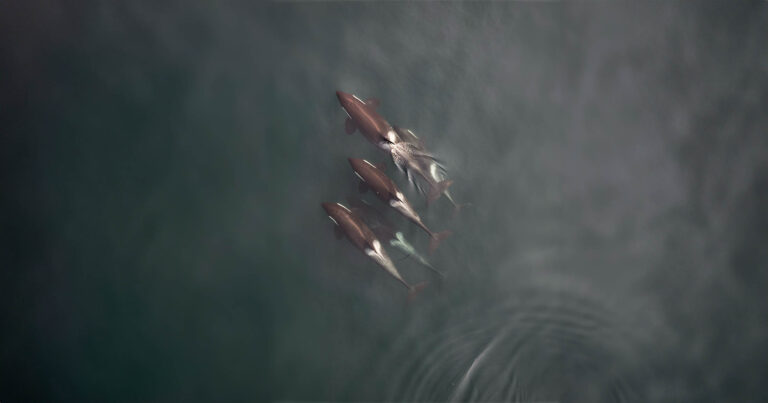
This federal survey will take around 20 minutes.
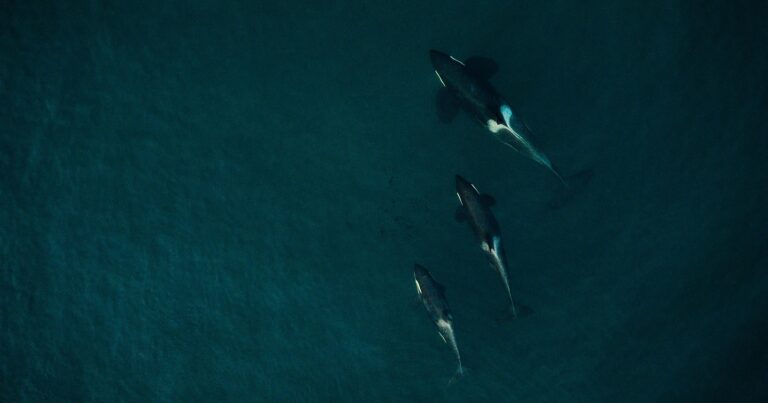
DNA can answer many questions about a killer whale’s health and family tree.
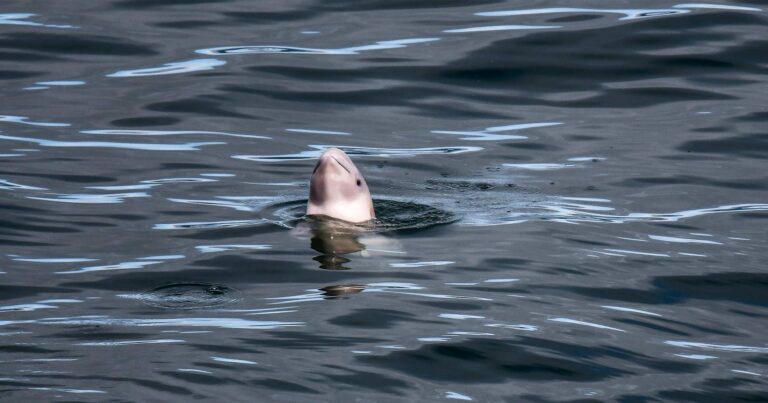
A new study identifies variation in the structure of contact calls among four Canadian beluga populations.
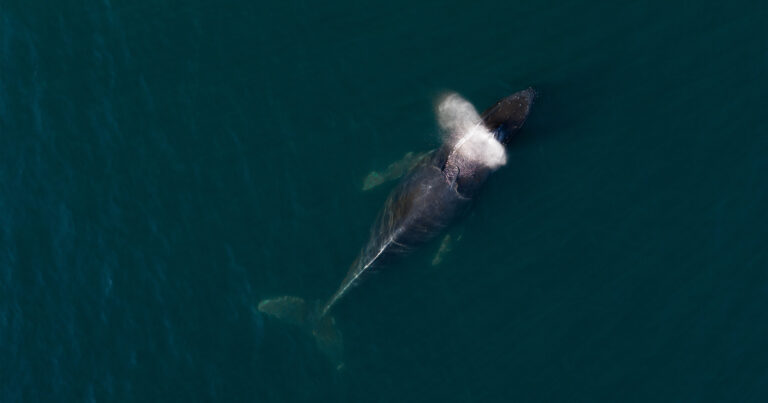
The Cetacean Conservation Research Program studies the biology, ecology, and behavior of whales and dolphins.

Adam has joined our Cetacean Conservation Program to head up Raincoast’s new Conservation Genetics Lab.

We are set to begin tracking water pollution and underwater noise on the Sunshine Coast.

This letter urges caution in interpreting the causes and nature of the whales’ behaviours.