Oil and chemical spill tracking

Spills of oil and chemicals into freshwater and ocean environments have killed fish, degraded habitat, and led to closures of commercial, recreational, and Indigenous fisheries. Raincoast’s Healthy Waters Program is positioned to collect data at the scene of a spill and collaborate with various organizations and First Nations to understand the impact of a spill. 

Tracker will host a number of rugged analytical instruments, and enable the measurement of several contaminants in the field, including coliform bacteria, nutrients, metals, pesticides, and tracers of wastewater effluent.
Photo by Peter Ross.
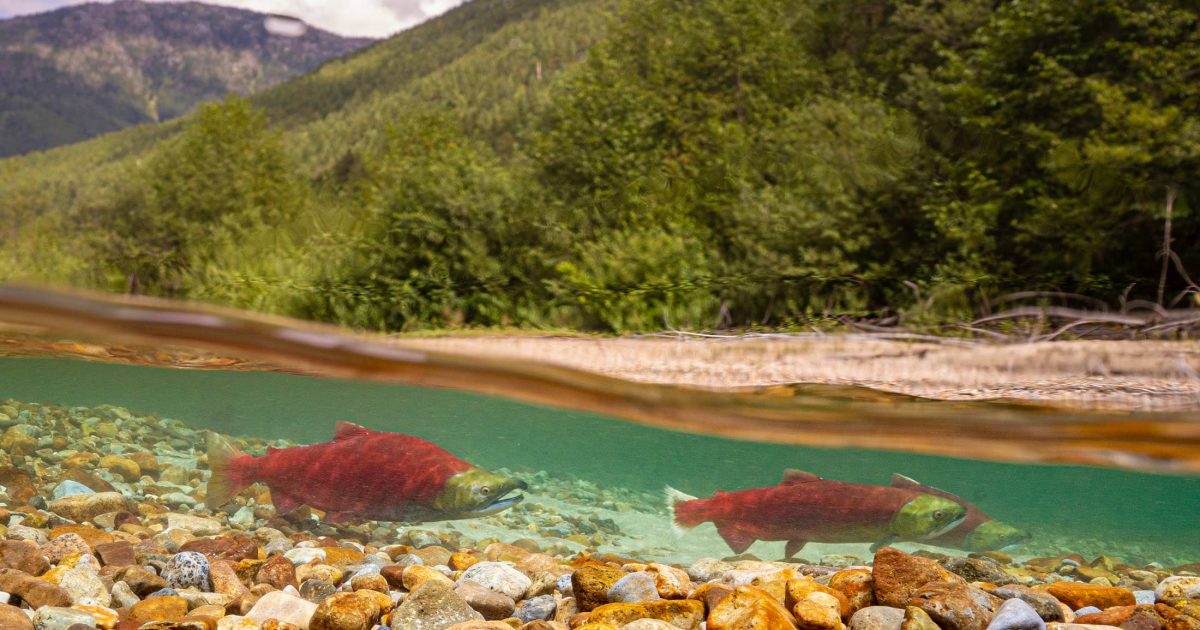
Two sockeye salmon swimming in a river.
Photo by Fernando Lessa.

Spills happen

Spills originate from all manner of accidents. The 2005 train derailment that spilled caustic soda into the Cheakamus River that killed 500,000 fish, The 2015 spill of 3,000 L of Bunker C oil from the MV Marathassa into English Bay. The 2020 fire aboard the MV ZIM Kingston in Juan de Fuca Strait that resulted in the loss of 104 mixed cargo shipping containers into the ocean. Each and every accident is bad news, and threatens the health of fish and whales, and contributes to the degradation of their habitats.

Being prepared is key

Given the sudden and unpredictable nature of oil and chemical spills, our oil and chemical spill response work entails being agile and available for support to First Nations, government agencies, and industry during a major spill. We are developing science protocols, and acquiring sampling kits, field equipment, and safety gear, and are poised to deploy our team to the scene of a spill. 

Being prepared on all fronts is key to limiting the damage from a spill. We recognize that with spills, it’s not a matter of if, but when. Research and monitoring to confirm the origin of the spill, track the fate of the spilled product, and monitor the recovery of ecosystem components routinely fails to be a priority. We will deploy expert capacity where and when needed, and work to prevent harm to valued ecosystem components.
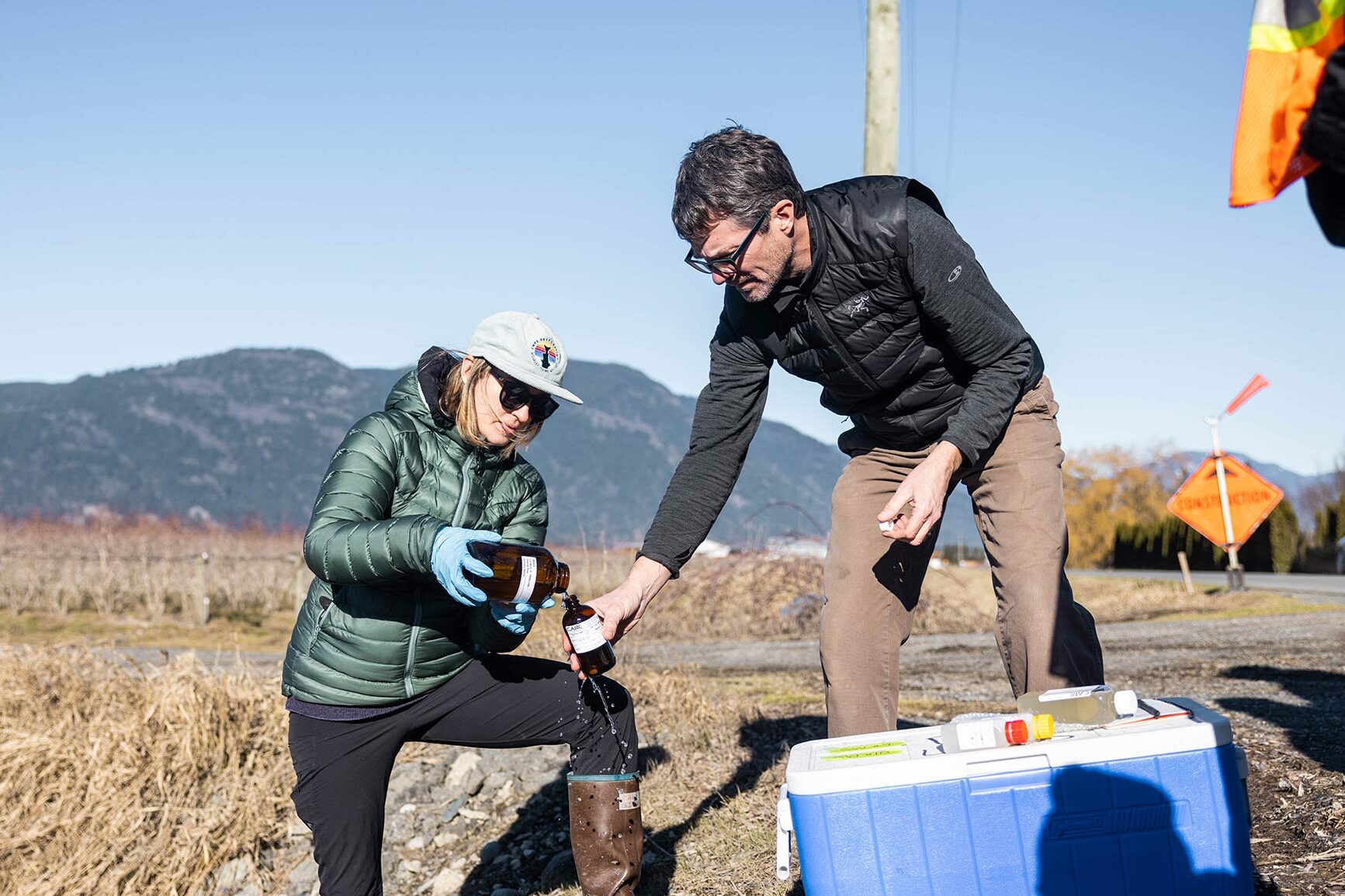
Two people working together to collect water samples in a farm field with the mountains in the background.
Photo by Alex Harris.
https://www.raincoast.org/reports/flood

Semá:th X̱ó:tsa (Sumas Lake) Floods of 2021

The catastrophic floods of late 2021 in southern British Columbia (Canada) and neighbouring Washington State (USA) destroyed homes, farms and businesses, with excess water spilling debris, animal carcasses and diesel fuel into historically productive fish habitat. 

We assembled a team to assess water quality in the former Semá:th X̱ó:tsa (Sumas Lake) area of the Fraser Valley over a seven-week period after the floods. We collected water samples from 11 surface water sites and four groundwater sites for comprehensive contaminant analysis and a subsequent risk-based evaluation. We measured 379 analytes (chemical components and bacteria), including 262 anthropogenic contaminants. We examined excess nutrients, metals, fecal coliform, hydrocarbons, pesticides, pharmaceuticals, and personal care products, perfluorinated compounds, sucralose, and tire-related chemicals.

Recent articles

Heavy equipment lays an oil pipe in the ground

B.C. should get in on the act

Calgary Sun, July 16, 2010 Re: The billboard ads urging Americans not to visit Alberta. B.C. conservation groups might want to take a page from U.S. environmental organizations and adopt a similar campaign urging British Columbians to “rethink” travelling to Alberta.
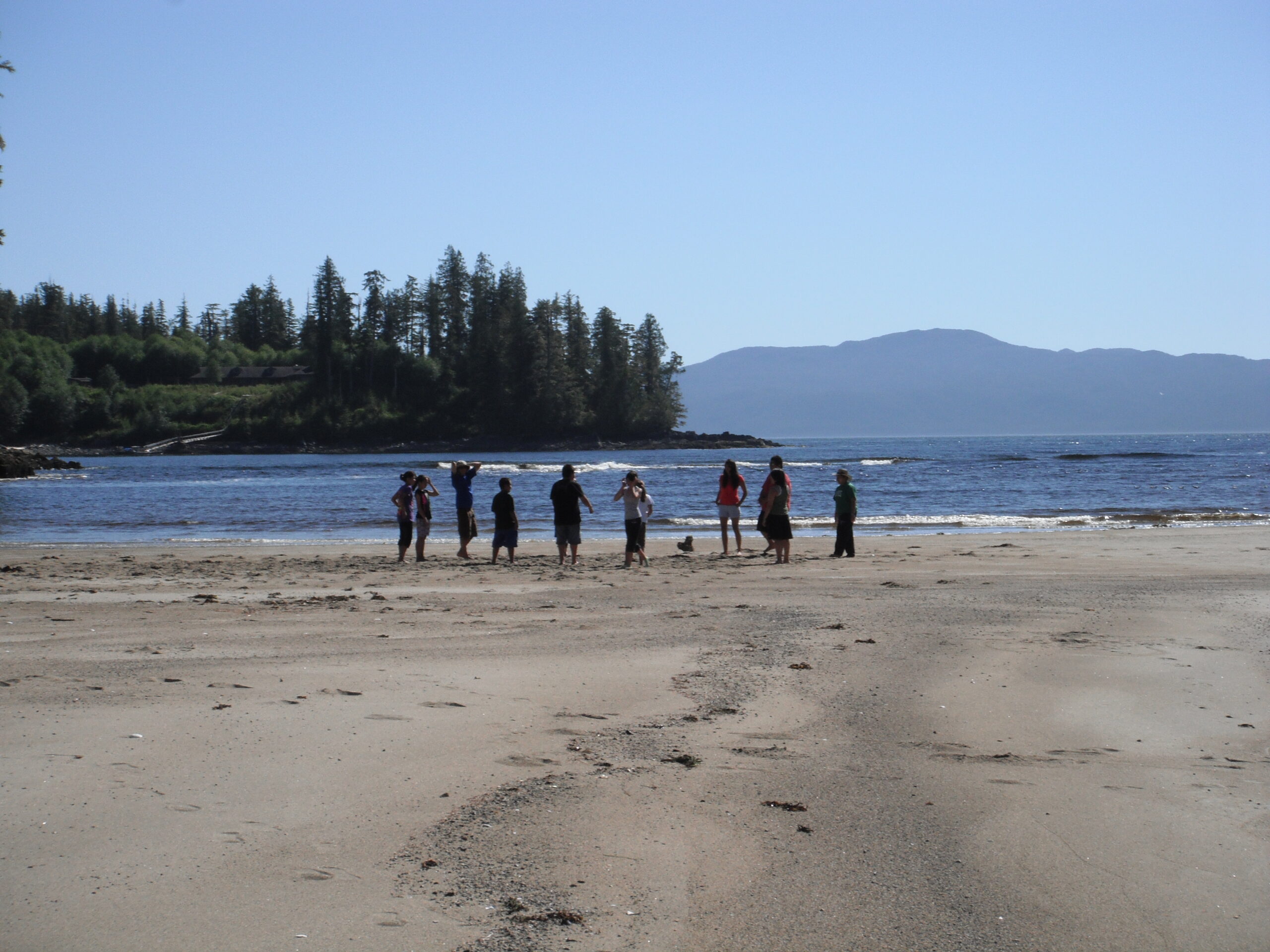
A group of people standing around in a wooded area.

Kids of Kvai

Our time at Kvai (Koeye) is coming to an end far too quickly. This morning we had another fun day of learning and games. First, we learned about provisioning theory: some of the kids (including me) pretended to be chicks in nests of different sizes, begging their parents (other kids) for food (goldfish crackers). Nests…
A group of people standing on a beach near a river.

Magic of Koeye

I feel lucky to be at the Koeye River again where Heiltsuk youth come every year to take part in culture/science camps. Representing Raincoast, Doug, Kyle, Bryce, and I have come for a week as science resource people and also to learn from the campers and camp staff.
Grizzly wades through water with salmon in its mouth

Would a Grizzly Bear Certify this Fishery?

Island Tides July 8, 2010 By Misty MacDuffee, Corey Peet and Chris Genovali As the Canadian federal inquiry examining the 2009 Fraser River sockeye salmon collapse in British Columbia kicks into full gear, one might be surprised to learn that at the same time, the Marine Stewardship Council wants to designate this fishery as “eco-certified.”
A grizzly bear looks into the camera

Stop the needless killing of British Columbia’s grizzly bears

A disturbing number of grizzlies are killed in the Bella Coola Valley on Canada’s Pacific coast because of avoidable human behaviour, but existing legislation to prevent these deaths are virtually unenforceable.
A wolf standing on a rock in the grass.

An old friend, by Doug Brown Jr.

There she is… it has been a while since I have seen her. Those long muscular legs have carried her well through the past year.  She is beautiful, in good health, poised with confidence and looking quite content. It is always comforting to see a familiar face after a long time.
A black and white photo of a grizzly bear in the woods.

Momma Bear

I’m a Papa now, and in my new role I have learned a lot about just how hard Mommas work. Gestating. Lactating. Comforting. Safeguarding. Loving. (Not) sleeping. Sacrificing. Repeat. Hour by hour. Day after day. For years. Today I want to share with you a very special mother. She is the mother-of-three grizzly we wrote…
underwater photo of sockeye salmon in BC river

Would a grizzly bear certify this fishery?

To protect BC’s wild sockeye salmon and truly drive conservation in the world’s oceans, the Marine Stewardhip Council (MSC) needs to address the structural flaws in their certification process and commit to incorporating ecosystem objectives for marine and terrestrial environments.