Oil and chemical spill tracking

Spills of oil and chemicals into freshwater and ocean environments have killed fish, degraded habitat, and led to closures of commercial, recreational, and Indigenous fisheries. Raincoast’s Healthy Waters Program is positioned to collect data at the scene of a spill and collaborate with various organizations and First Nations to understand the impact of a spill. 

Tracker will host a number of rugged analytical instruments, and enable the measurement of several contaminants in the field, including coliform bacteria, nutrients, metals, pesticides, and tracers of wastewater effluent.
Photo by Peter Ross.
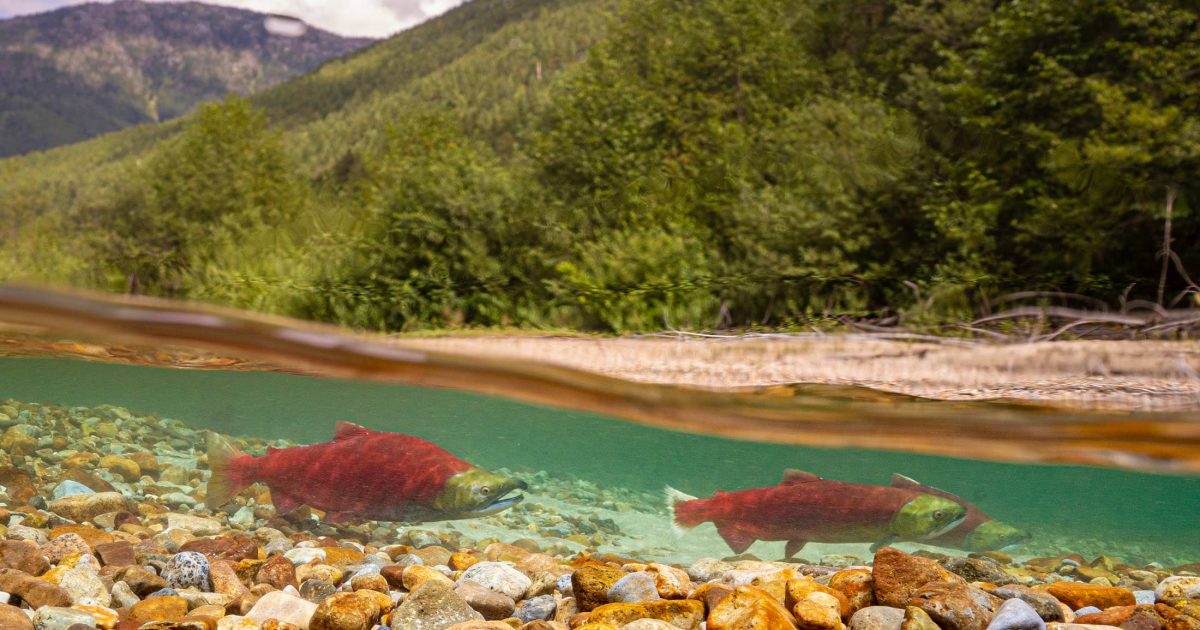
Two sockeye salmon swimming in a river.
Photo by Fernando Lessa.

Spills happen

Spills originate from all manner of accidents. The 2005 train derailment that spilled caustic soda into the Cheakamus River that killed 500,000 fish, The 2015 spill of 3,000 L of Bunker C oil from the MV Marathassa into English Bay. The 2020 fire aboard the MV ZIM Kingston in Juan de Fuca Strait that resulted in the loss of 104 mixed cargo shipping containers into the ocean. Each and every accident is bad news, and threatens the health of fish and whales, and contributes to the degradation of their habitats.

Being prepared is key

Given the sudden and unpredictable nature of oil and chemical spills, our oil and chemical spill response work entails being agile and available for support to First Nations, government agencies, and industry during a major spill. We are developing science protocols, and acquiring sampling kits, field equipment, and safety gear, and are poised to deploy our team to the scene of a spill. 

Being prepared on all fronts is key to limiting the damage from a spill. We recognize that with spills, it’s not a matter of if, but when. Research and monitoring to confirm the origin of the spill, track the fate of the spilled product, and monitor the recovery of ecosystem components routinely fails to be a priority. We will deploy expert capacity where and when needed, and work to prevent harm to valued ecosystem components.
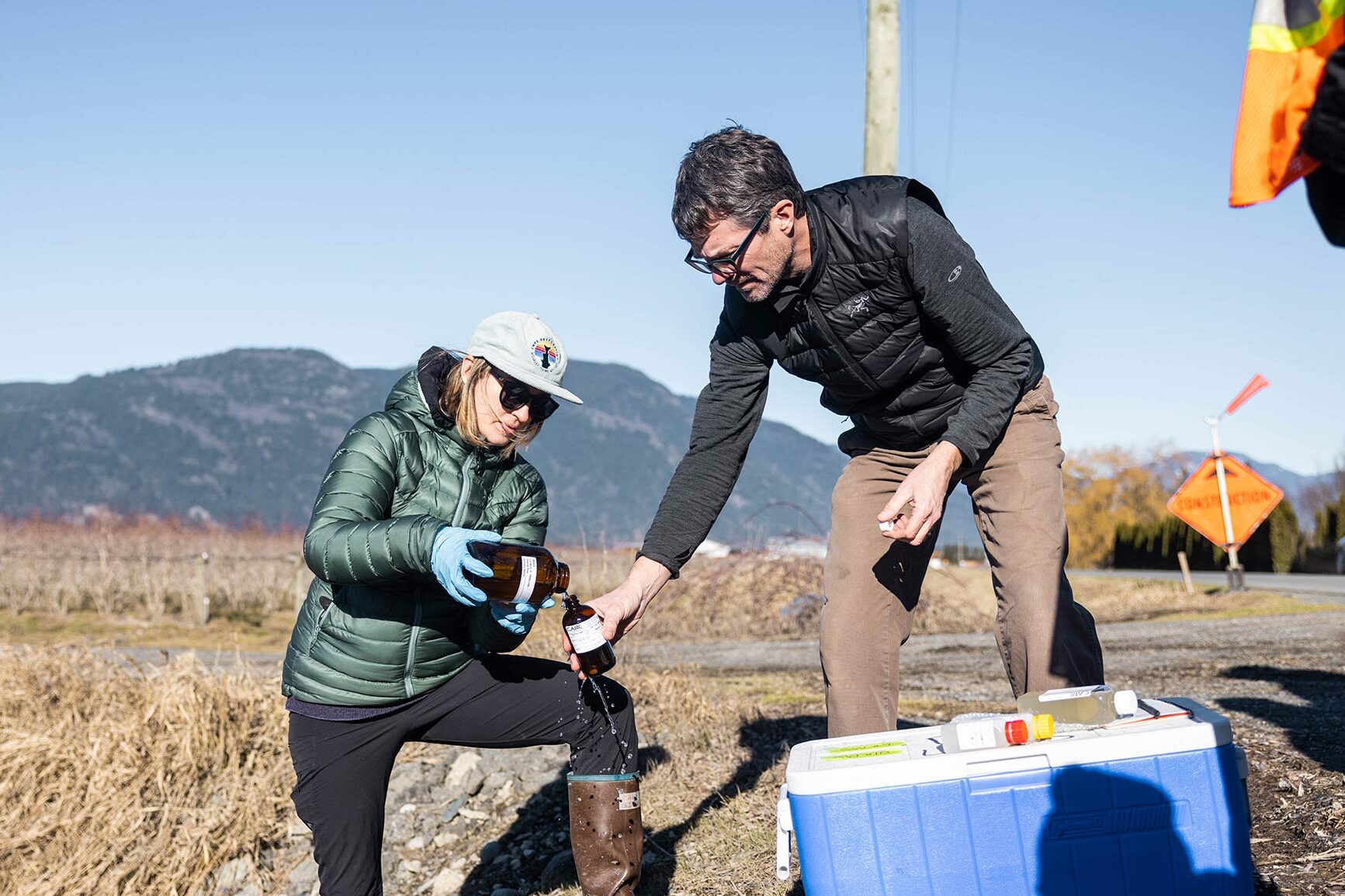
Two people working together to collect water samples in a farm field with the mountains in the background.
Photo by Alex Harris.
https://www.raincoast.org/reports/flood

Semá:th X̱ó:tsa (Sumas Lake) Floods of 2021

The catastrophic floods of late 2021 in southern British Columbia (Canada) and neighbouring Washington State (USA) destroyed homes, farms and businesses, with excess water spilling debris, animal carcasses and diesel fuel into historically productive fish habitat. 

We assembled a team to assess water quality in the former Semá:th X̱ó:tsa (Sumas Lake) area of the Fraser Valley over a seven-week period after the floods. We collected water samples from 11 surface water sites and four groundwater sites for comprehensive contaminant analysis and a subsequent risk-based evaluation. We measured 379 analytes (chemical components and bacteria), including 262 anthropogenic contaminants. We examined excess nutrients, metals, fecal coliform, hydrocarbons, pesticides, pharmaceuticals, and personal care products, perfluorinated compounds, sucralose, and tire-related chemicals.

Recent articles

Heavy equipment lays an oil pipe in the ground

Canadians pay attention to spill

Battle Creek Enquirer August 10, 2010 Re: “Canadians protest Enbridge expansion plans” (Enquirer, Aug. 2), British Columbians should be paying close attention to the Kalamazoo River spill and its aftermath.
Heavy equipment lays an oil pipe in the ground

U.S. spill turns up heat on proposed pipeline

Vancouver Sun, August 3, 2010 Re: U.S. spill turns up heat on proposed B.C.-Alberta pipeline, July 29 With his “we’ll do whatever it takes to make things right” rhetoric, Enbridge Inc. CEO Patrick Daniel sounds remarkably like BP’s Tony Hayward. Oil-industry disaster-response talking points aside, British Columbians should be paying close attention to the Kalamazoo…
Misty smiles at the camera, she stands at the shore of a beach at low tide.

The Salmon Goddess

At Raincoast Conservation Foundation, biologist Misty MacDuffee is known as The Salmon Goddess. Misty has gained this appellation not only for the expertise she has developed in salmonid ecology, but also for her passion and dedication as an advocate for these amazing fish.
A black bear and a cub standing in a grassy area.

Humans need to change to avoid violent wildlife encounters: expert

Globe and Mail, July 30, 2010 Shannon Moneo As B.C. experiences a bizarre season of wildlife-human conflicts, with a rare attack by a black bear and deer being demonized for attacking people and pets, a wildlife ecologist says people need to change.
Fish farms on the BC coast threaten wild salmon.

Farmed salmon fail organic test

Victoria Times Colonist, July 25, 2010 Re: “Farmed B.C. salmon could carry organic label under federal plan,” July 15. The proposal by the Canadian General Standards Board and the organic aquaculture working group at Fisheries and Oceans Canada to give the “organic stamp of approval” to B.C. farmed salmon raised in open-net pens is nothing…
Heavy equipment lays an oil pipe in the ground

Vampire Blues: suckin’ blood from the earth

Canadian federal and provicial governments seem eager to turn BC’s coast into an energy corridor. Enbridge Inc. is pushing hard to construct a twinned pipeline from the tar sands of Alberta to the coast of BC, where Exxon Valdez-sized supertankers would ship oil to Asian and American markets.
A group of people standing on a sandy beach.

A Koeye Camp Idyll

by Bryce Bocking As the boat containing my fellow Raincoast colleagues and I drew near the Koeye River, memories of the last time I was here, nearly five years ago (at age fourteen), began to return. As a first year engineering student and volunteer with Raincoast, I looked forward to the following days I’d be…
Heavy equipment lays an oil pipe in the ground

Join the fray

Time for BC boycott Calgary Herald, July 16, 2010 Edmonton Journal, July 18, 2010 Regarding the billboard ads urging Americans not to visit Alberta this summer, B.C. conservation groups might want to take a page from U.S. environmental organizations and adopt a similar campaign urging British Columbians to “rethink” travelling to Alberta.