Oil and chemical spill tracking

Spills of oil and chemicals into freshwater and ocean environments have killed fish, degraded habitat, and led to closures of commercial, recreational, and Indigenous fisheries. Raincoast’s Healthy Waters Program is positioned to collect data at the scene of a spill and collaborate with various organizations and First Nations to understand the impact of a spill. 

Tracker will host a number of rugged analytical instruments, and enable the measurement of several contaminants in the field, including coliform bacteria, nutrients, metals, pesticides, and tracers of wastewater effluent.
Photo by Peter Ross.
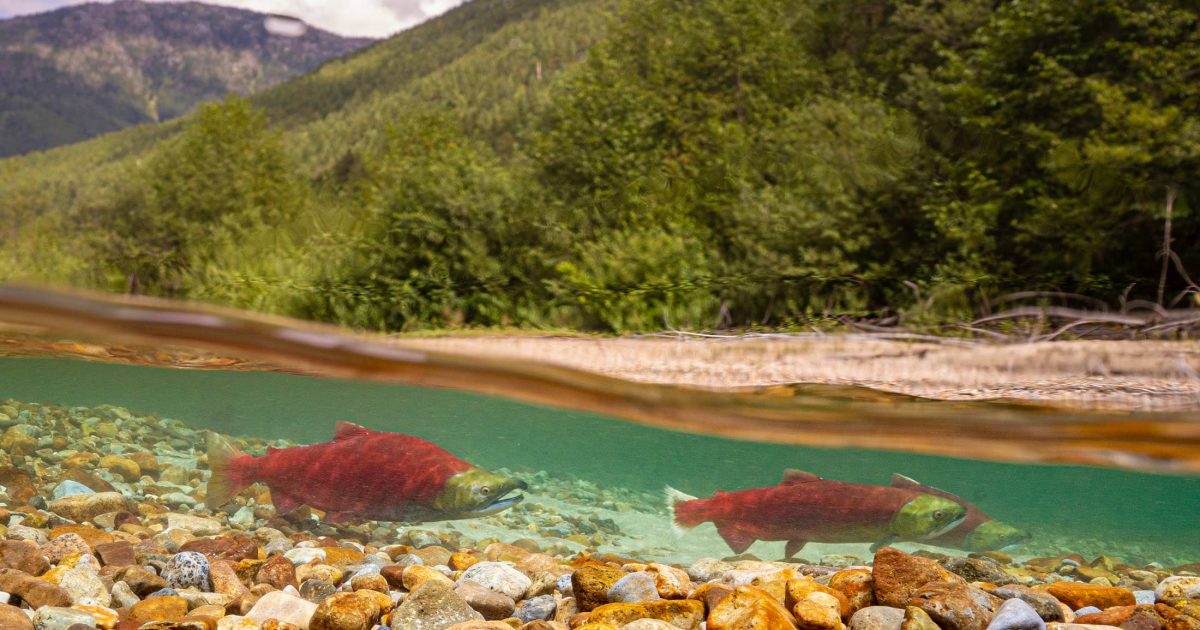
Two sockeye salmon swimming in a river.
Photo by Fernando Lessa.

Spills happen

Spills originate from all manner of accidents. The 2005 train derailment that spilled caustic soda into the Cheakamus River that killed 500,000 fish, The 2015 spill of 3,000 L of Bunker C oil from the MV Marathassa into English Bay. The 2020 fire aboard the MV ZIM Kingston in Juan de Fuca Strait that resulted in the loss of 104 mixed cargo shipping containers into the ocean. Each and every accident is bad news, and threatens the health of fish and whales, and contributes to the degradation of their habitats.

Being prepared is key

Given the sudden and unpredictable nature of oil and chemical spills, our oil and chemical spill response work entails being agile and available for support to First Nations, government agencies, and industry during a major spill. We are developing science protocols, and acquiring sampling kits, field equipment, and safety gear, and are poised to deploy our team to the scene of a spill. 

Being prepared on all fronts is key to limiting the damage from a spill. We recognize that with spills, it’s not a matter of if, but when. Research and monitoring to confirm the origin of the spill, track the fate of the spilled product, and monitor the recovery of ecosystem components routinely fails to be a priority. We will deploy expert capacity where and when needed, and work to prevent harm to valued ecosystem components.
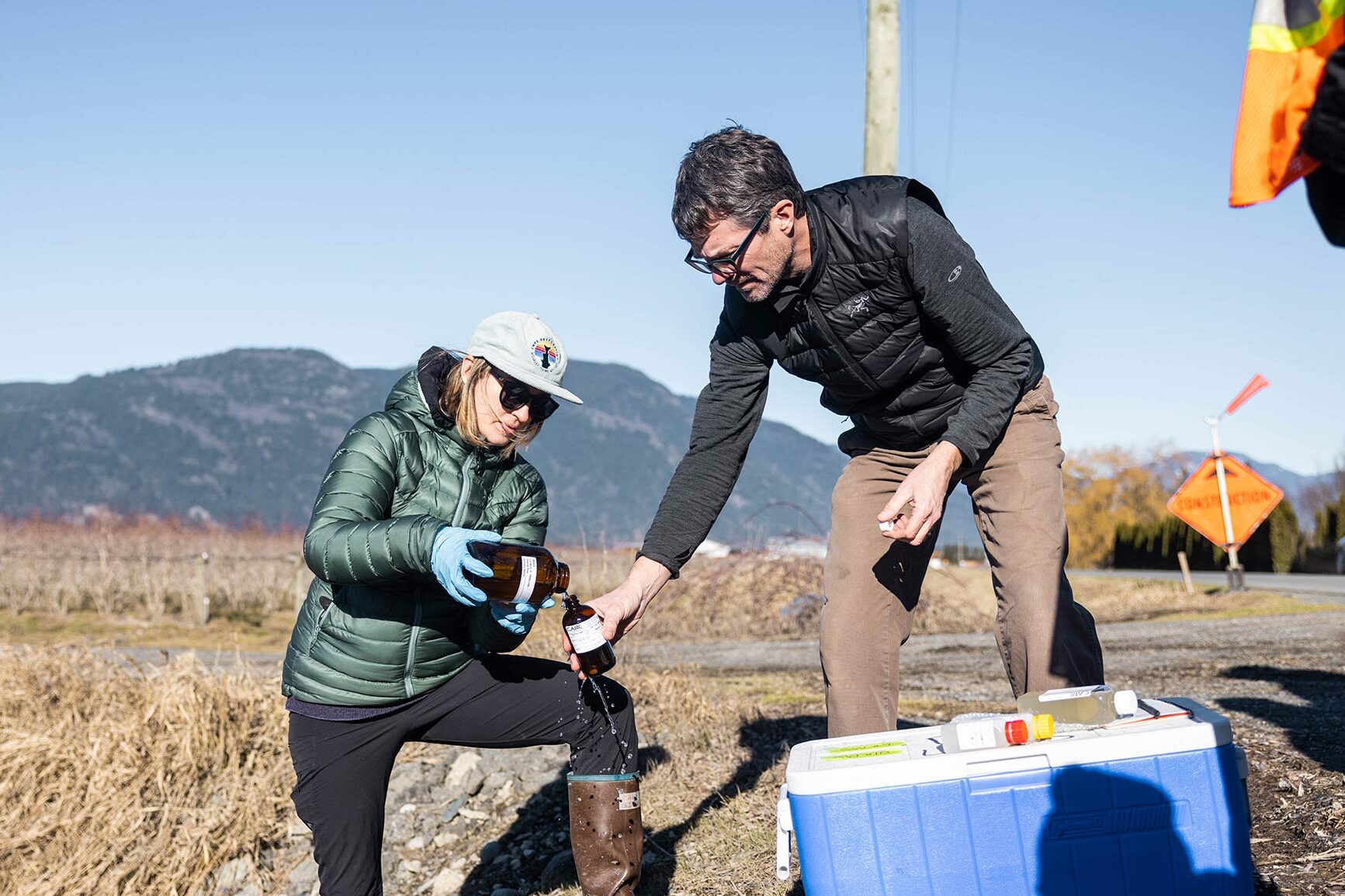
Two people working together to collect water samples in a farm field with the mountains in the background.
Photo by Alex Harris.
https://www.raincoast.org/reports/flood

Semá:th X̱ó:tsa (Sumas Lake) Floods of 2021

The catastrophic floods of late 2021 in southern British Columbia (Canada) and neighbouring Washington State (USA) destroyed homes, farms and businesses, with excess water spilling debris, animal carcasses and diesel fuel into historically productive fish habitat. 

We assembled a team to assess water quality in the former Semá:th X̱ó:tsa (Sumas Lake) area of the Fraser Valley over a seven-week period after the floods. We collected water samples from 11 surface water sites and four groundwater sites for comprehensive contaminant analysis and a subsequent risk-based evaluation. We measured 379 analytes (chemical components and bacteria), including 262 anthropogenic contaminants. We examined excess nutrients, metals, fecal coliform, hydrocarbons, pesticides, pharmaceuticals, and personal care products, perfluorinated compounds, sucralose, and tire-related chemicals.

Recent articles

A black bear laying on the ground.

Capturing Curious Carnivores

Now that this year’s field crew for the salmon carnivore project has disbanded I find myself reminiscing about the experience by obsessively cycling through photos. Though a vast amount of photos were taken during the field season, wildlife images captured by our trail cameras stand out as especially extraordinary. There’s something intensely captivating about watching…
A man pointing to a device on a tree.

How much is a grizzly bear’s life worth?

As the field season draws to a close, I finally have the time to reflect on some of our experiences. As it appears, somebody else is doing some reflection. We are pulling some of our remote cameras and inspecting the images of bears at our non-invasive hair-snagging stations.
An oil rig is on fire in the ocean.

Hands Across the Sand

Hands Across the Sand is a movement made of people of all walks of life and crosses political affiliations. This movement is not about politics; it is about protection of our coastal economies, oceans, marine wildlife, and fishing industry. Let us share our knowledge, energies and passion for protecting all of the above from the…
A killer whale spy hopping

Feds sued over lack of protection for killer whales

The trial to protect BC’s resident killer whales and their critical habitat began Tuesday June 15, 2010 in the federal courthouse in Vancouver, BC.  Ecojustice is representing Raincoast and eight other conservation groups.  The following links will give you more information about the story and the case. The halls of Justice: Day 1 (Blog) BCs…
Two orca whales swimming in the water.

The Halls of Justice: Day 1

The ancient Goddess of Justice, Themis, stands with her scales; an avenger in her earliest portrayals, but evolved to wear a blindfold in more recent times to represent the principles of modern law. For me, today’s goddess of justice is standing in the middle of a federal courtroom in downtown Vancouver, conveying the facts and…
A group of people running in a marathon.

Victoria Marathon pledge program celebrates five years

Victoria News By Travis Paterson The run for $250,000 is on. Last week, the team behind the GoodLife Fitness Victoria Marathon announced a total of 18 charities have been selected to the event’s 2010 Charity Pledge Program (CPP). That’s already seven more charities than last year, said GFVM general manager Cathy Noel. “We have so…
A group of orca whales swimming in the ocean.

BC’s killer whales get their day in court

The Georgia Straight  – Commentary By Misty MacDuffee and Chris Genovali As British Columbia’s southern resident killer whales return to local waters, many scientists and citizens are growing increasingly concerned for their future. Even with new arrivals in local pods, the population still needs to show clear signs of recovery.
An orca whale is swimming in the ocean.

Feds sued over failure to protect killer whales

Case could determine future of Canada’s at-risk species MEDIA RELEASE  June 15, 2010 VANCOUVER – Conservation groups, represented by Ecojustice, are back in Federal Court today after launching a lawsuit against Canada’s Department of Fisheries and Oceans (DFO) over the protection of B.C.’s resident killer whales. If successful, the case will ensure stronger legal protection…