
Shifting salmon policy
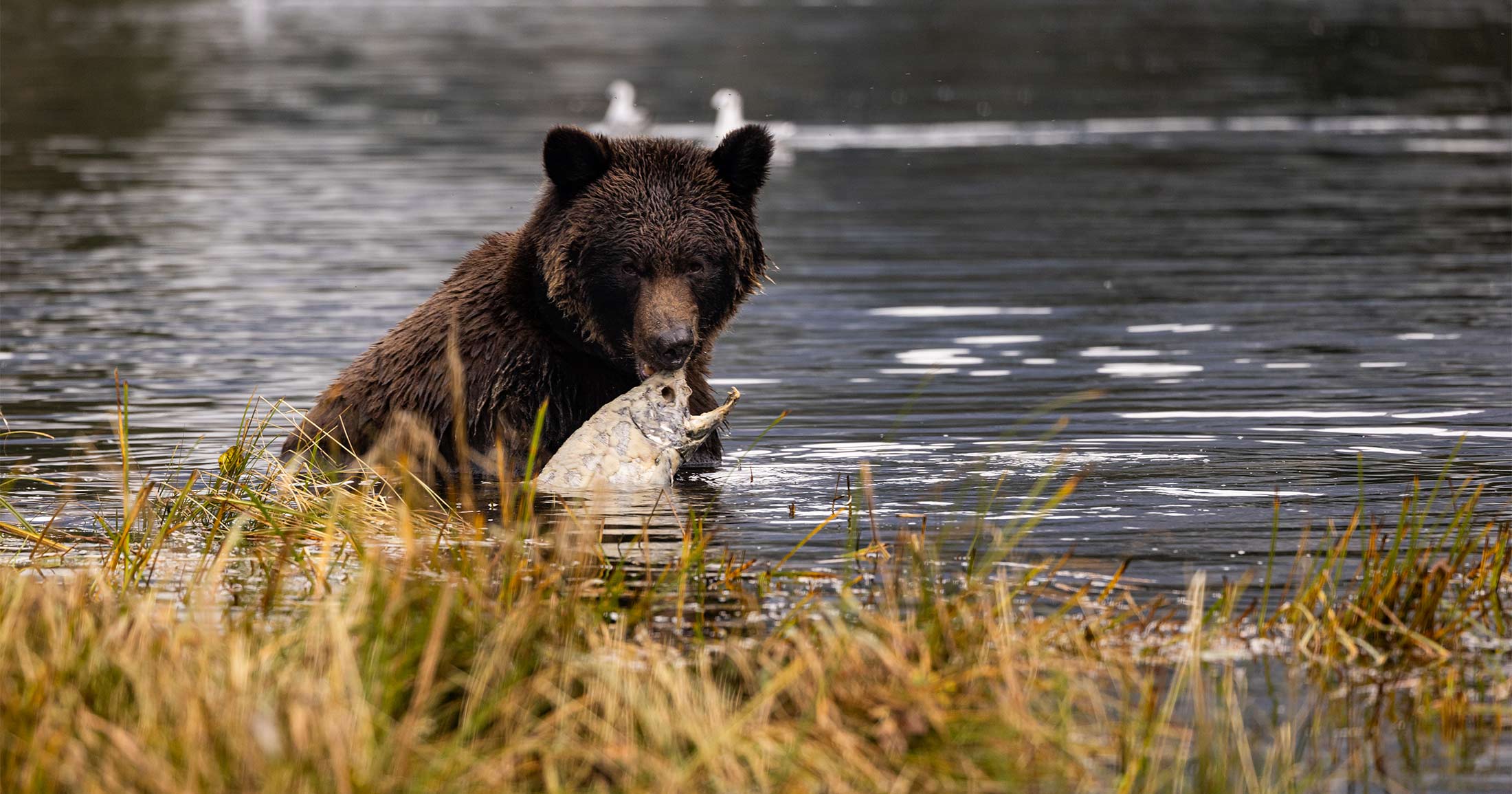
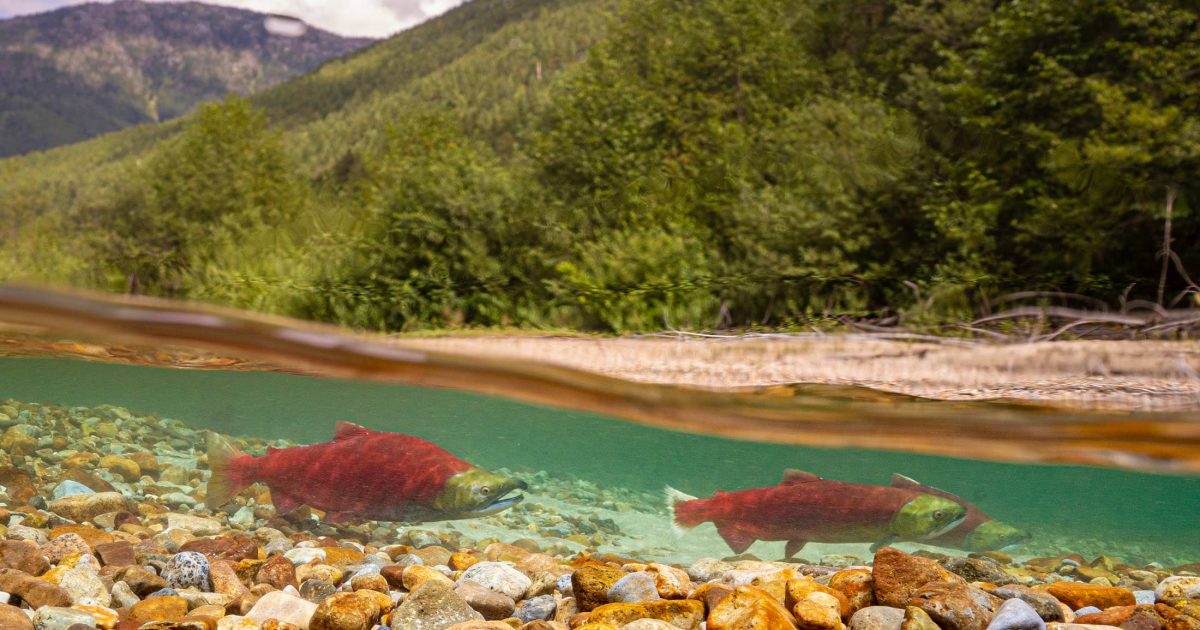
Photo by Alex Harris.
Ecosystems are complex. They are communities of living organisms connected through interacting processes and features on the land, in water, and between the two. Yet BC’s antiquated environmental policy doesn’t reflect this. Colonial society governs ecosystems by siloing them into distinct ministries and resources instead of reflecting the interconnected nature of habitats that make them function in the living world. This “siloed decision making”is the root cause of many of the ecological challenges we face today.
Our policy goals
1. Manage fisheries for ecosystems
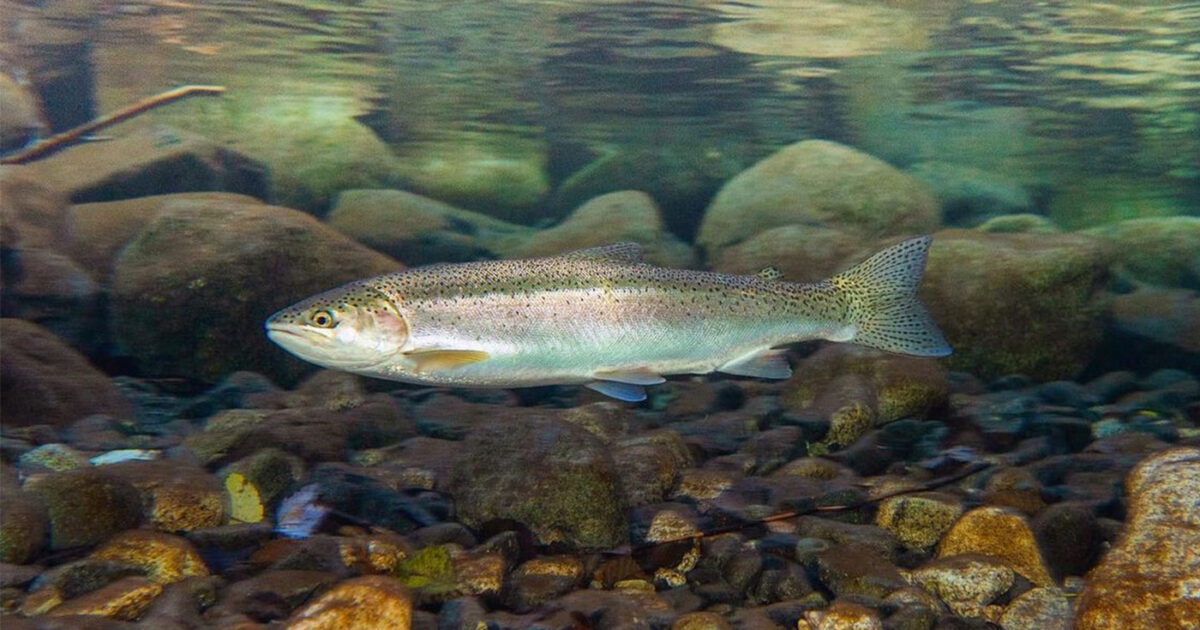
- Set salmon harvest at levels that optimize the benefits of spawning salmon to watersheds and wildlife.
- Shift away from historic management paradigms that minimize the number of spawning salmon reaching rivers and maximize harvest (called Maximum Sustainable Yield). Move towards fisheries management that meets salmon spawning targets that are ecologically based, not harvest-based.
- Shift harvest toward selective terminal fisheries (conducted in or near the rivers of origin) that respect the ‘place-based’ nature of salmon, and optimize the benefits to ecosystems, Indigenous cultures, and local communities.
2. Implement ecological-based governance
- Conservation planning and a commitment to sustainability that looks 7 generations ahead.
- A “whole-of-government” approach that implements shared solutions by Indigenous, federal, provincial, and municipal governments to achieve salmon recovery from inland watersheds and rivers, to the open ocean.
- Governance that honours Aboriginal rights and title, inherent Indigenous jurisdiction and law, and the United Nations Declaration on the Rights of Indigenous Peoples (UNDRIP) and the Declaration on the Rights of Indigenous Peoples Act (DRIPA).
- Sustainable funding strategies for watershed-scale restoration and planning.
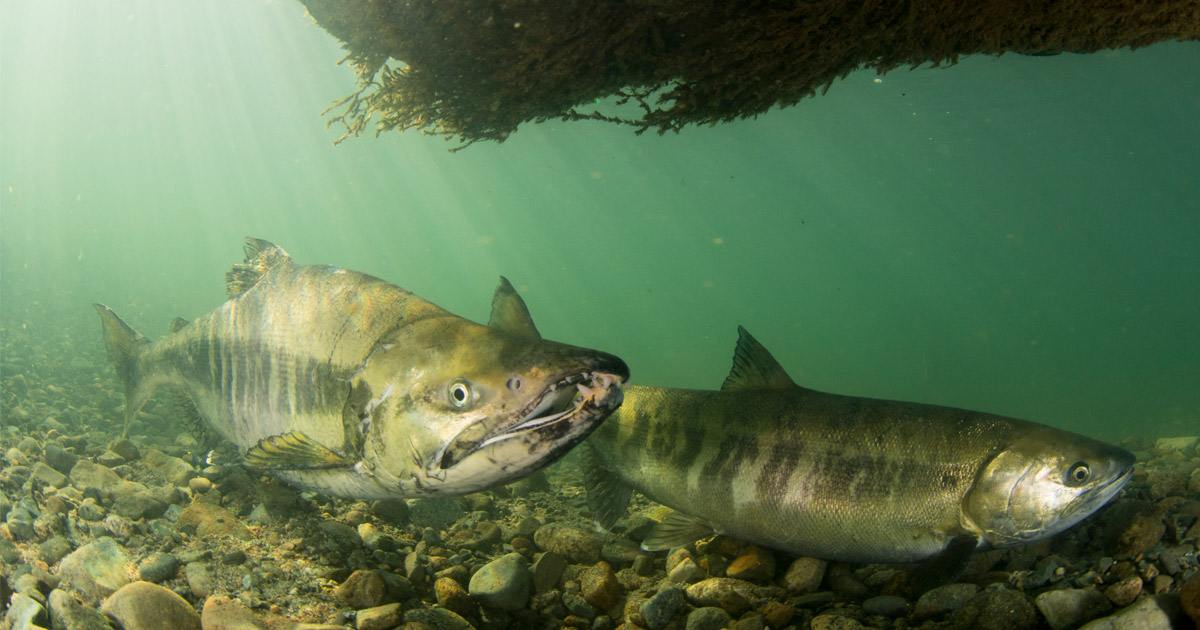
3. Advance land-use policies that prioritize the health of wild salmon and biodiversity
- Zoning that bolsters functioning watersheds and riparian habitat (i.e.protect natural features, limit impervious surfaces, reduce urban sprawl, adopt nature-based solutions).
- Forestry policy that prioritizes salmon health by restricting clear-cutting in salmon watersheds, and incentivizes a sustainable, second or third-growth forest economy.
- Climate adaptation policy that incentivizes nature-based solutions including natural shorelines, intact riparian areas, unrestricted floodplains, managed retreat, and use of rain-gardens in urban areas.
Our recent reports
Recent articles

Ban grizzly bear hunting, group pleads
Globe and Mail July 29, 2008 SUNNY DHILLON VANCOUVER — A conservation group based on Vancouver Island is urging the British Columbia government to “immediately end all hunting of grizzly bears” in the province, given “uncertainty” about the species’ current population. The Raincoast Conservation Society made the request in a letter sent to Premier Gordon…
Column misses point, B.C. lacks endangered species legislation
Victoria News July 30, 2008 by Chris Genovali Re: “Protecting species is everyone’s job” (Tom Fletcher, July 16) The article’s argument that the B.C. government’s “advertising for more people to visit parks and get out fishing … might be more important to biodiversity than difficult-to-enforce endangered species laws” is facile at best.
No drilling for oil on BC’s Pacific Coast
Montreal Gazette Published: July 21, 2008 by Chris Genovali Re: “Canada should play big role in new world oil order: IEA” (Gazette, July 13). Your article states that “the Geological Survey of Canada has estimated there could be close to 10 billion barrels of oil and 26 trillion cubic feet of gas in the Queen…
Campbell caught in carbon-tax contradiction
Premier claims to embrace California’s green shift — but only when it suits him by Chris Genovali, The Edmonton Journal, Published: July 20, 2008 Victoria Times Colonist, Published: Sunday, July 13, 2008 The B.C. carbon tax has become a political lightning rod, diverting attention from the issue at hand — combating climate change. The fact…
The Potlatch Journey
By Misty MacDuffee, Biologist, Wild Salmon Program Rivers Inlet, April 2008 The pilings and ruins of old canneries dot the shoreline as I make my way to the head of Rivers Inlet. Like glimpses to the past, they stand as testament to the famed abundance of sockeye salmon that I only know through stories and…
Logging, Habitat Loss the Real Threat
by Chris Darimont Times Colonist Published: Saturday, June 28, 2008 Two recent Times Colonist articles have quoted Environment Minister Barry Penner and Victoria Jackson of the Vancouver Island Marmot Foundation, who promoted the oversimplified assertion that wolves and cougars are primary factors in the decline of Vancouver Island marmots.