

Shifting salmon policy
Photo by Alex Harris.
Ecosystems are complex. They are communities of living organisms connected through interacting processes and features on the land, in water, and between the two. Yet BC’s antiquated environmental policy doesn’t reflect this. Colonial society governs ecosystems by siloing them into distinct ministries and resources instead of reflecting the interconnected nature of habitats that make them function in the living world. This “siloed decision making”is the root cause of many of the ecological challenges we face today.
Our policy goals
1. Manage fisheries for ecosystems
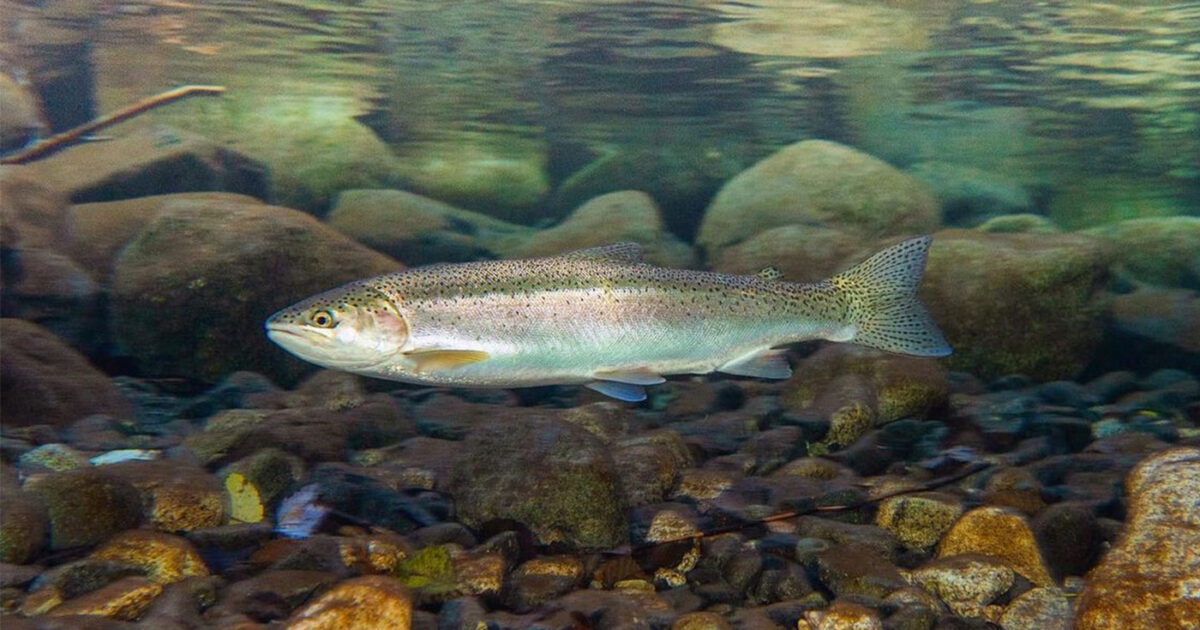
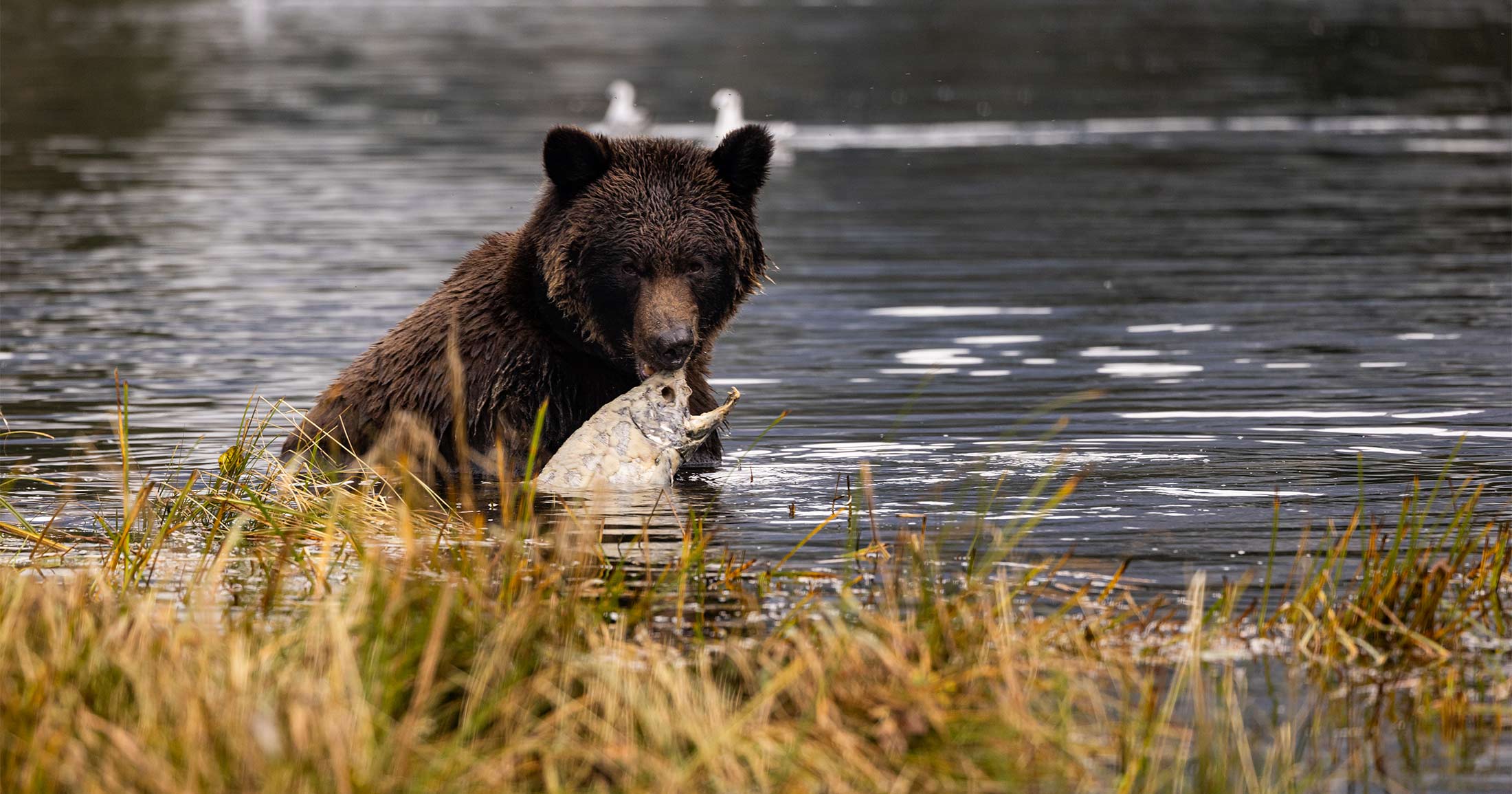
- Set salmon harvest at levels that optimize the benefits of spawning salmon to watersheds and wildlife.
- Shift away from historic management paradigms that minimize the number of spawning salmon reaching rivers and maximize harvest (called Maximum Sustainable Yield). Move towards fisheries management that meets salmon spawning targets that are ecologically based, not harvest-based.
- Shift harvest toward selective terminal fisheries (conducted in or near the rivers of origin) that respect the ‘place-based’ nature of salmon, and optimize the benefits to ecosystems, Indigenous cultures, and local communities.
2. Implement ecological-based governance
- Conservation planning and a commitment to sustainability that looks 7 generations ahead.
- A “whole-of-government” approach that implements shared solutions by Indigenous, federal, provincial, and municipal governments to achieve salmon recovery from inland watersheds and rivers, to the open ocean.
- Governance that honours Aboriginal rights and title, inherent Indigenous jurisdiction and law, and the United Nations Declaration on the Rights of Indigenous Peoples (UNDRIP) and the Declaration on the Rights of Indigenous Peoples Act (DRIPA).
- Sustainable funding strategies for watershed-scale restoration and planning.
3. Advance land-use policies that prioritize the health of wild salmon and biodiversity
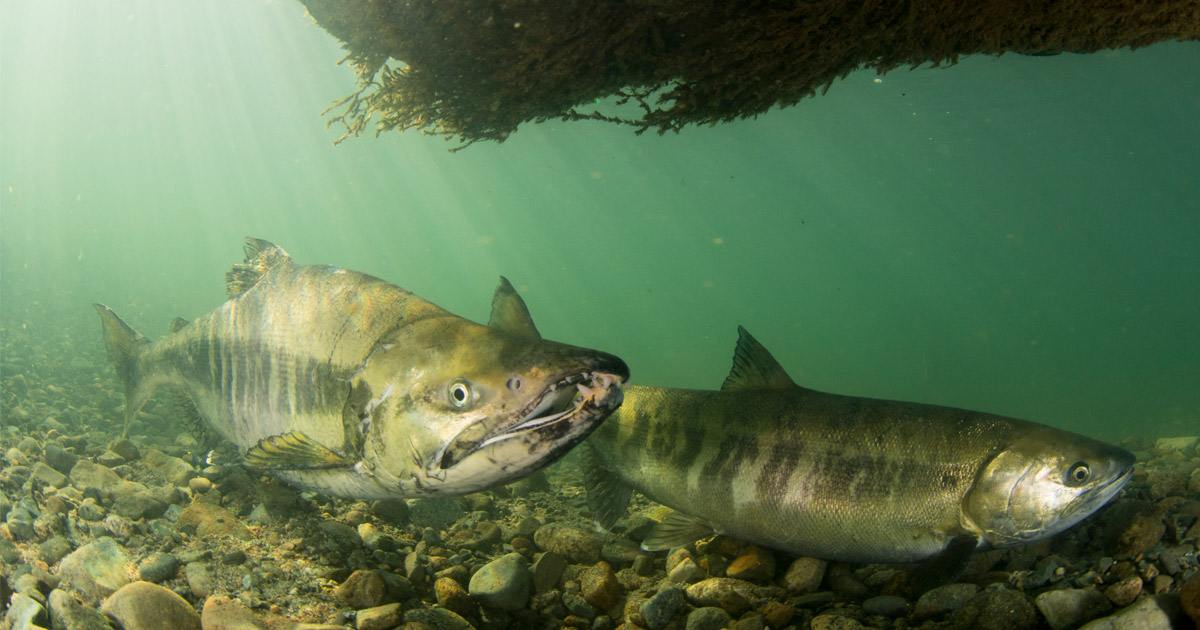
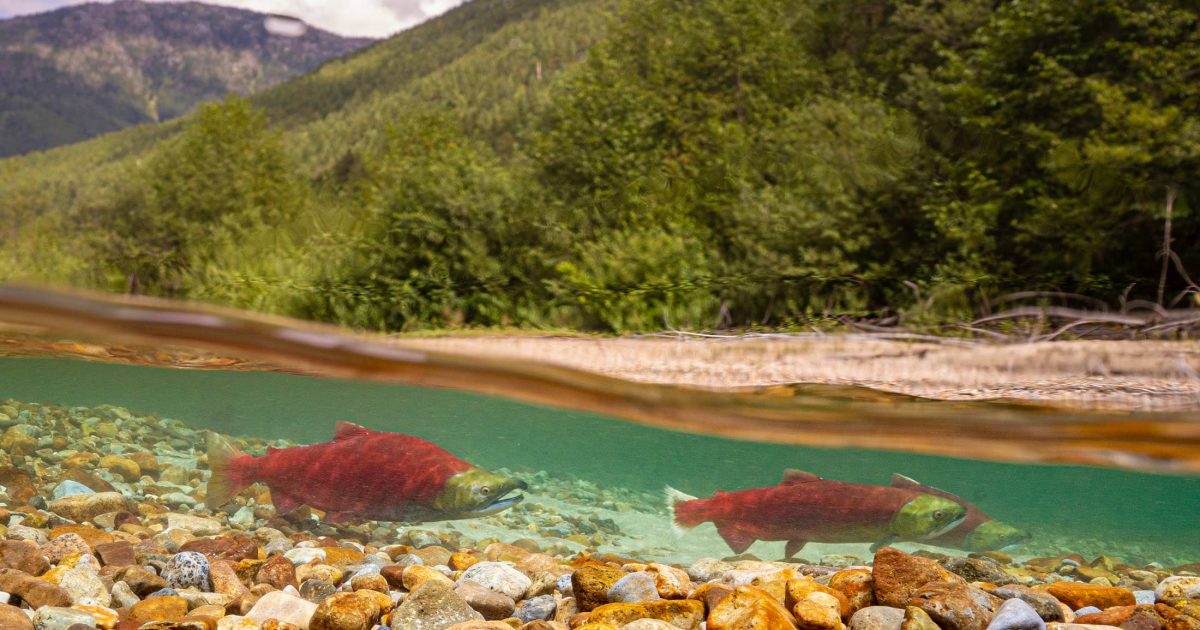
- Zoning that bolsters functioning watersheds and riparian habitat (i.e.protect natural features, limit impervious surfaces, reduce urban sprawl, adopt nature-based solutions).
- Forestry policy that prioritizes salmon health by restricting clear-cutting in salmon watersheds, and incentivizes a sustainable, second or third-growth forest economy.
- Climate adaptation policy that incentivizes nature-based solutions including natural shorelines, intact riparian areas, unrestricted floodplains, managed retreat, and use of rain-gardens in urban areas.
Our recent reports
Recent articles

GROWLS event packs Phoenix Auditorium
By Janina Stajic Gabriola Sounder March 24 2009 On Thursday, March 19th Gabriolan’s packed the Haven’s Phoenix auditorium to hear Dr. Chris Darimont of the Raincoast Conservation Foundation, speak about B.C’s Great Bear Rainforest.
Seafood-loving wolves may need protection
Dustin Walker Nanaimo Daily News March 21, 2009 Coastal B.C.’s fish-munching, island-hopping wolves will need to be better managed if the species is to thrive for future generations, says an expert on the unique animals.
Winter Ruminations in the Great Bear
by Doug Brown Raincoast Field Station Co-Coordinator Denny Island, March 2009 The sun is once again shining on the field station bunkhouse after three months of sitting low on the horizon.
Salmon stocks: Fisheries ignored 500 names. Can it ignore 5,000?
The Globe & Mail March 23,2009 MARK HUME VANCOUVER — The form letter that Premier Gordon Campbell and federal Fisheries Minister Gail Shea keep ignoring is just getting longer.
Lone wolf: Canada’s newest marine mammal
Globe and Mail Chris Darimont, Chris Genovali and Paul Paquet March 13, 2009 Where does biodiversity come from and how can we preserve it? These are fundamental questions the answers to which conservation scientists now seek at a frenetic pace.
God save thee, albatross
Chris Genovali | Monday Magazine | March 11, 2009 I’m on my back on the aft deck of Raincoast’s research vessel. My repose is involuntary as we ply the lumpy waters of Haida Gwaii’s west coast. Not one prone to sea-sickness, I nevertheless feel like my head is virtually nailed down, a result of the…