
Shifting salmon policy
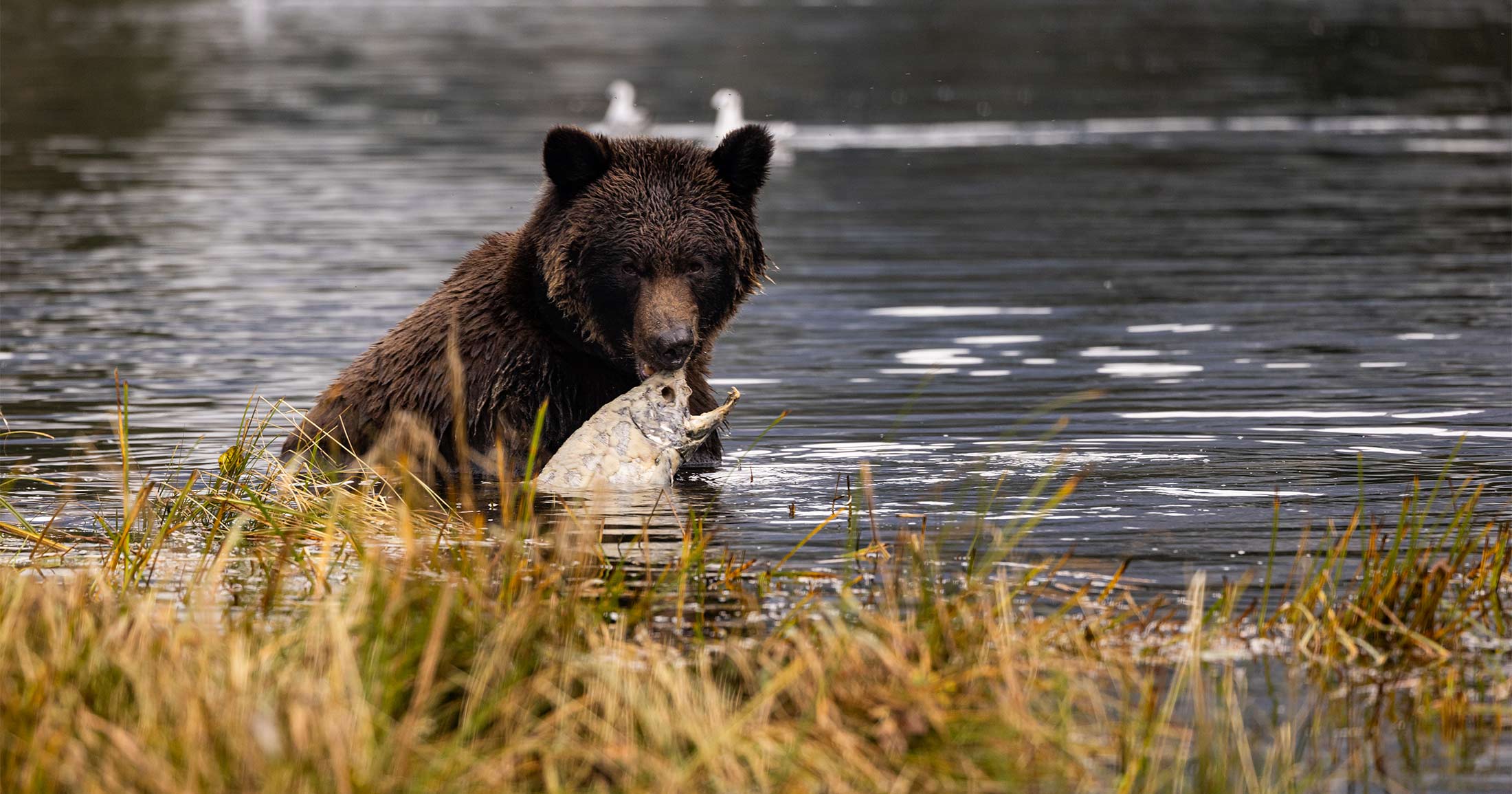
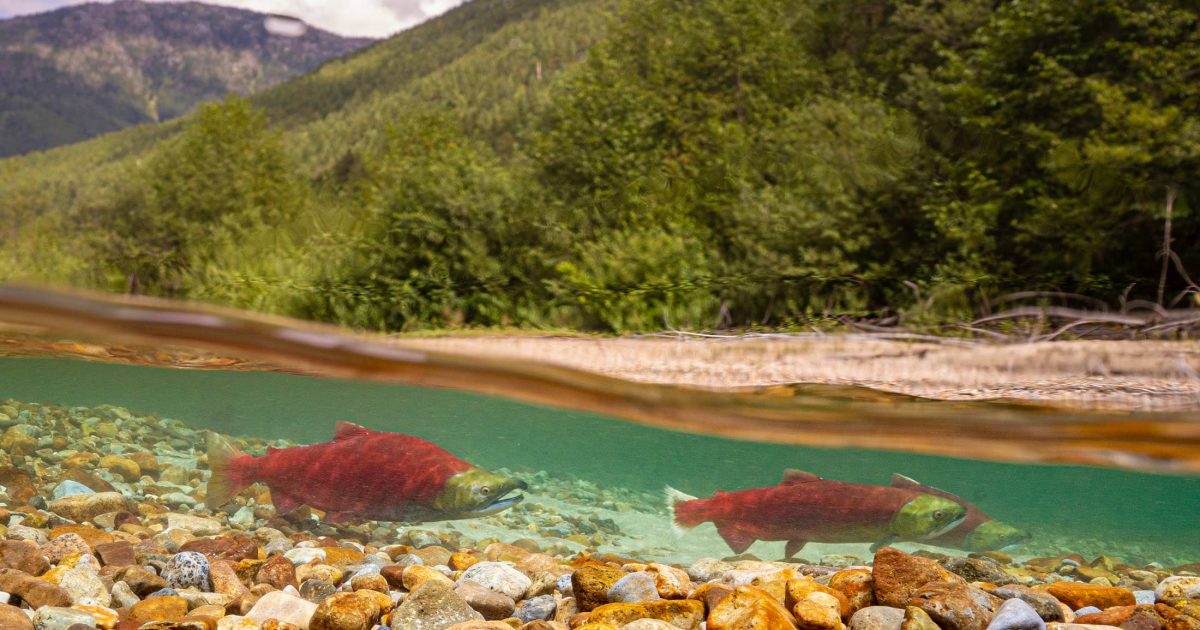
Photo by Alex Harris.
Ecosystems are complex. They are communities of living organisms connected through interacting processes and features on the land, in water, and between the two. Yet BC’s antiquated environmental policy doesn’t reflect this. Colonial society governs ecosystems by siloing them into distinct ministries and resources instead of reflecting the interconnected nature of habitats that make them function in the living world. This “siloed decision making”is the root cause of many of the ecological challenges we face today.
Our policy goals
1. Manage fisheries for ecosystems
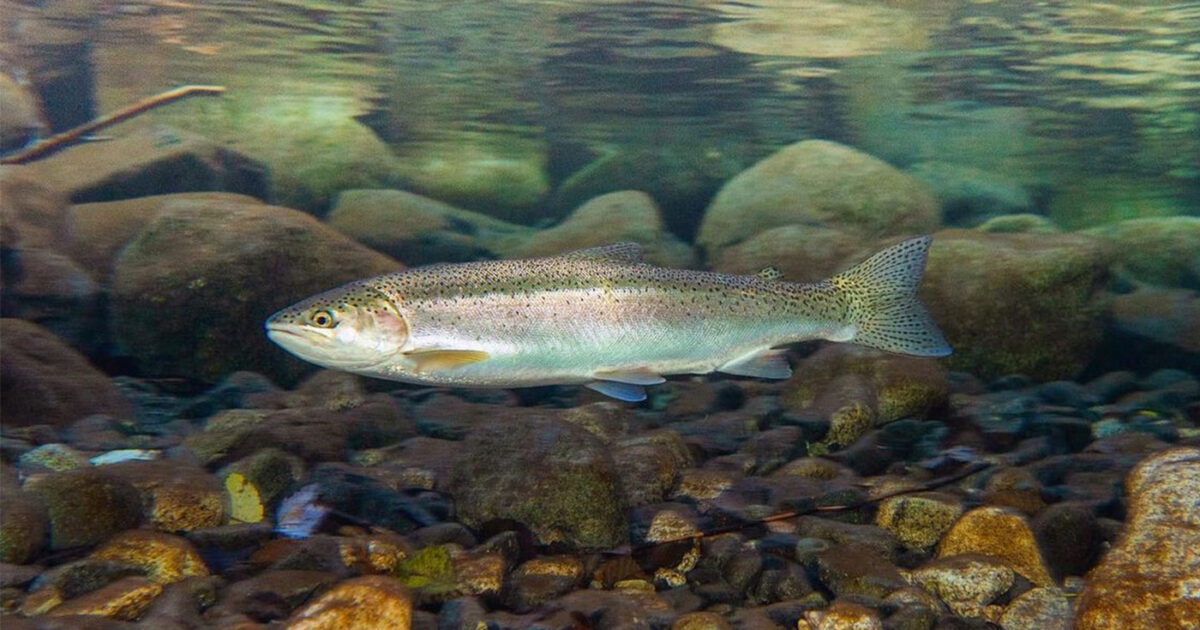
- Set salmon harvest at levels that optimize the benefits of spawning salmon to watersheds and wildlife.
- Shift away from historic management paradigms that minimize the number of spawning salmon reaching rivers and maximize harvest (called Maximum Sustainable Yield). Move towards fisheries management that meets salmon spawning targets that are ecologically based, not harvest-based.
- Shift harvest toward selective terminal fisheries (conducted in or near the rivers of origin) that respect the ‘place-based’ nature of salmon, and optimize the benefits to ecosystems, Indigenous cultures, and local communities.
2. Implement ecological-based governance
- Conservation planning and a commitment to sustainability that looks 7 generations ahead.
- A “whole-of-government” approach that implements shared solutions by Indigenous, federal, provincial, and municipal governments to achieve salmon recovery from inland watersheds and rivers, to the open ocean.
- Governance that honours Aboriginal rights and title, inherent Indigenous jurisdiction and law, and the United Nations Declaration on the Rights of Indigenous Peoples (UNDRIP) and the Declaration on the Rights of Indigenous Peoples Act (DRIPA).
- Sustainable funding strategies for watershed-scale restoration and planning.
3. Advance land-use policies that prioritize the health of wild salmon and biodiversity
- Zoning that bolsters functioning watersheds and riparian habitat (i.e.protect natural features, limit impervious surfaces, reduce urban sprawl, adopt nature-based solutions).
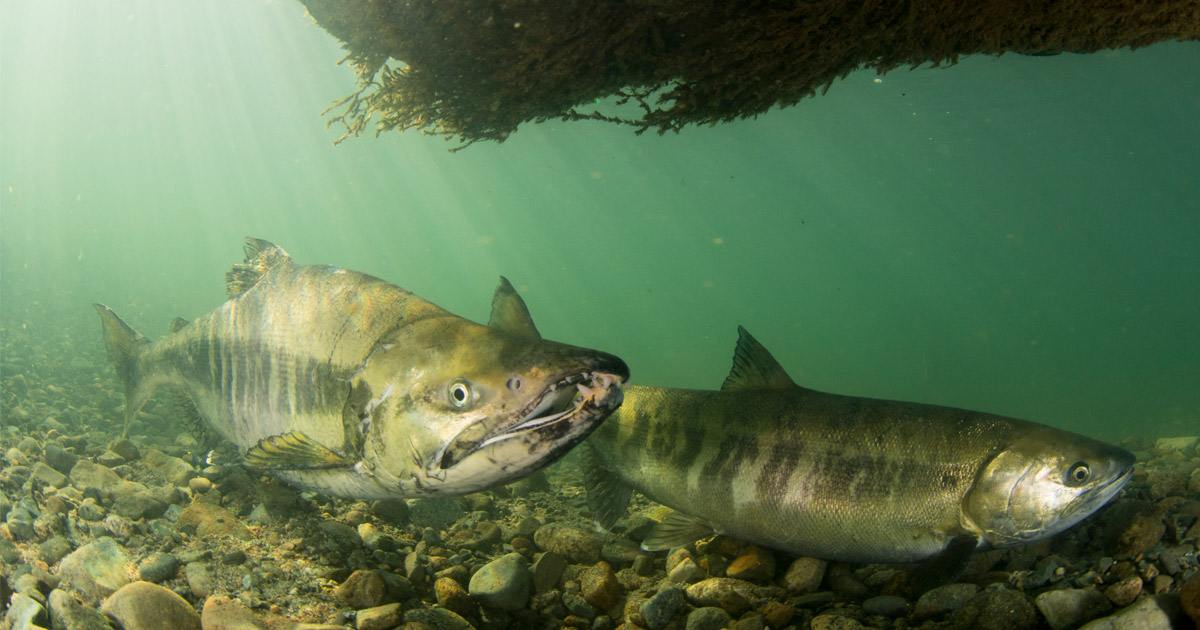
- Forestry policy that prioritizes salmon health by restricting clear-cutting in salmon watersheds, and incentivizes a sustainable, second or third-growth forest economy.
- Climate adaptation policy that incentivizes nature-based solutions including natural shorelines, intact riparian areas, unrestricted floodplains, managed retreat, and use of rain-gardens in urban areas.
Our recent reports
Recent articles

IPPs: green or greenwash?
Chilliwack Progress, May 05, 2009 The media have recently published many opinion pieces and news articles promoting independent power projects (IPPs) as crucial to solving climate change. One of the latest is David Field’s “Advantages of river power” (Chilliwack Progress – April 30).
Conservation groups say eBay should ban trophy hunt sales
by Elinor Mills May 1, 2009 http://news.cnet.com Conservation groups want eBay to ban auctions where people pay thousands of dollars to trophy hunters to kill leopards, lions, bears and other predators.
Trophy-hunt packages will remain on eBay
Conservationists vow to continue campaign to stop postings of hunts Judith Lavoie Times-Colonist May 2, 2009 eBay is not ready to ban sales of trophy hunts on its popular buy-and-sell website, despite pressure from environmental groups. The Raincoast Conservation Foundation, based on Vancouver Island, has been a leader of the campaign to stop eBay
Oil sands and seabirds don’t mix
Chris Genovali Island Tides April 9, 2009 I’m on my back on the aft deck of Raincoast’s research vessel. My repose is involuntary as we ply the lumpy waters of Haida Gwaii’s west coast. Not one prone to sea-sickness, I nevertheless feel like my head is virtually nailed down, a result of the interminable chop.
Ocean World
Join Raincoast and the Victoria Children’s choir on this musical journey into a whale’s ocean world Friday, May 8 7:00 pm Saturday, May 9 7:00 pm Alex Goolden Hall, Victoria Conservatory of Music 907 Pandora Avenue, Victoria BC Tickets: $15.00 at Long & McQuade, Ivy’s Bookshop, Larsen Music, Cadboro Bay Book Co. For more…
Grizzly bear hunt has no place in modern society
Chris Genovali Georgia Strait March 31, 2009 I went “undercover” once with a European television producer to the workshop of a taxidermist-cum-trophy hunter on Vancouver Island. The producer and I had just spent