

Shifting salmon policy
Photo by Alex Harris.
Ecosystems are complex. They are communities of living organisms connected through interacting processes and features on the land, in water, and between the two. Yet BC’s antiquated environmental policy doesn’t reflect this. Colonial society governs ecosystems by siloing them into distinct ministries and resources instead of reflecting the interconnected nature of habitats that make them function in the living world. This “siloed decision making”is the root cause of many of the ecological challenges we face today.
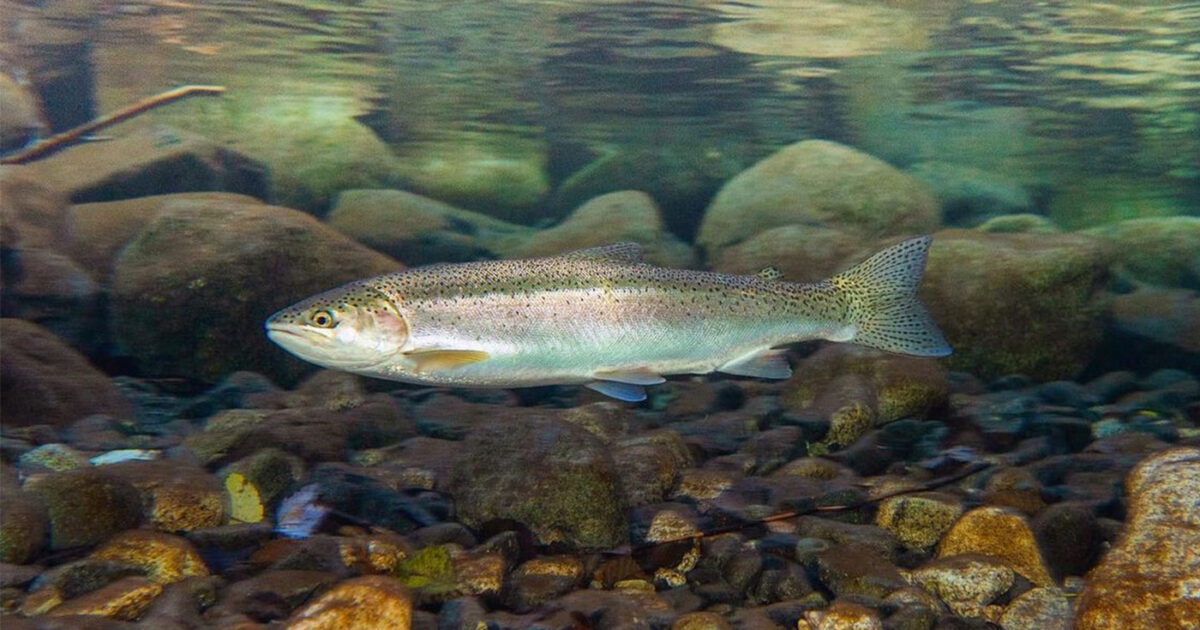
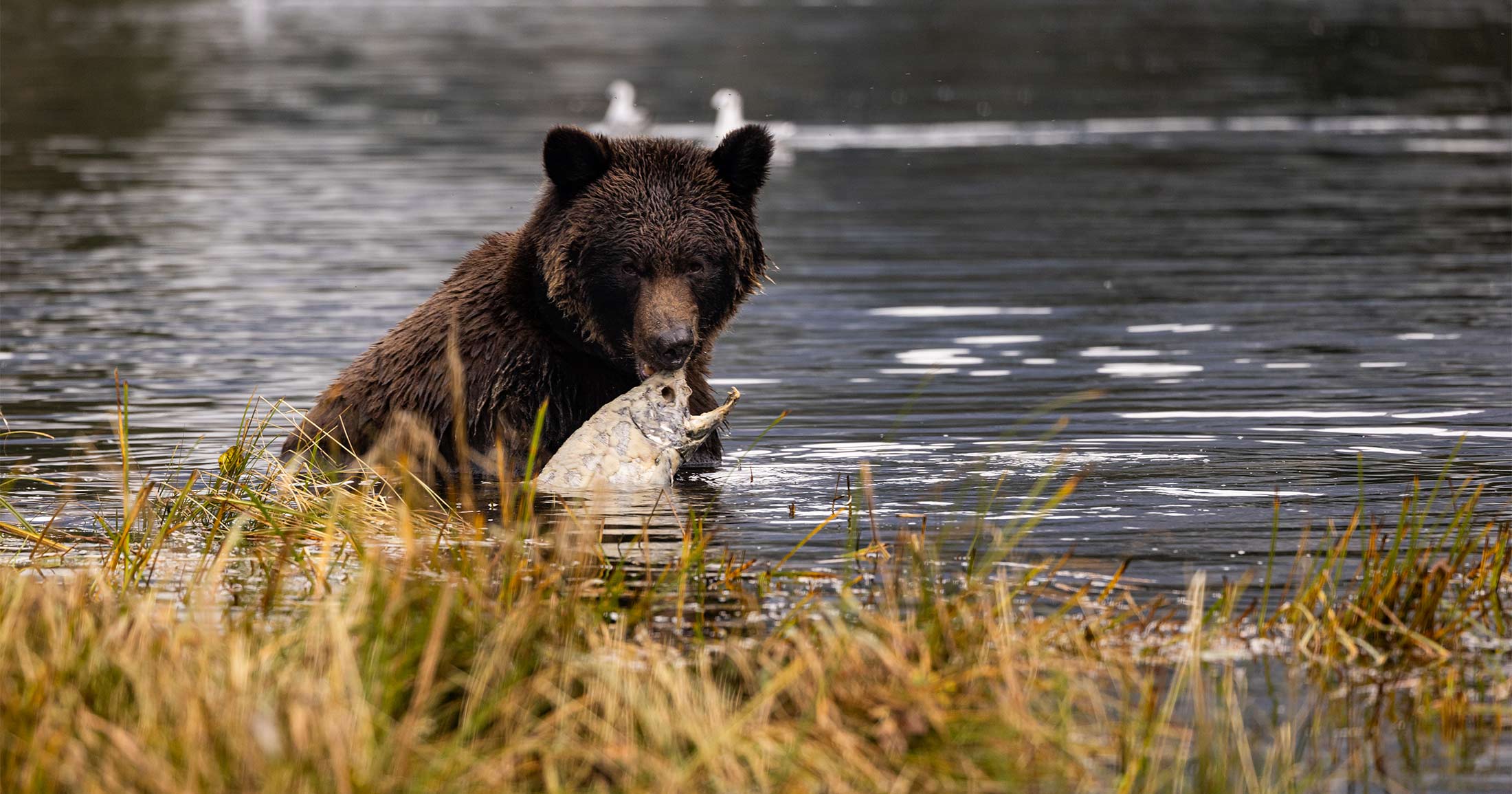
Our policy goals
1. Manage fisheries for ecosystems
- Set salmon harvest at levels that optimize the benefits of spawning salmon to watersheds and wildlife.
- Shift away from historic management paradigms that minimize the number of spawning salmon reaching rivers and maximize harvest (called Maximum Sustainable Yield). Move towards fisheries management that meets salmon spawning targets that are ecologically based, not harvest-based.
- Shift harvest toward selective terminal fisheries (conducted in or near the rivers of origin) that respect the ‘place-based’ nature of salmon, and optimize the benefits to ecosystems, Indigenous cultures, and local communities.
2. Implement ecological-based governance
- Conservation planning and a commitment to sustainability that looks 7 generations ahead.
- A “whole-of-government” approach that implements shared solutions by Indigenous, federal, provincial, and municipal governments to achieve salmon recovery from inland watersheds and rivers, to the open ocean.
- Governance that honours Aboriginal rights and title, inherent Indigenous jurisdiction and law, and the United Nations Declaration on the Rights of Indigenous Peoples (UNDRIP) and the Declaration on the Rights of Indigenous Peoples Act (DRIPA).
- Sustainable funding strategies for watershed-scale restoration and planning.
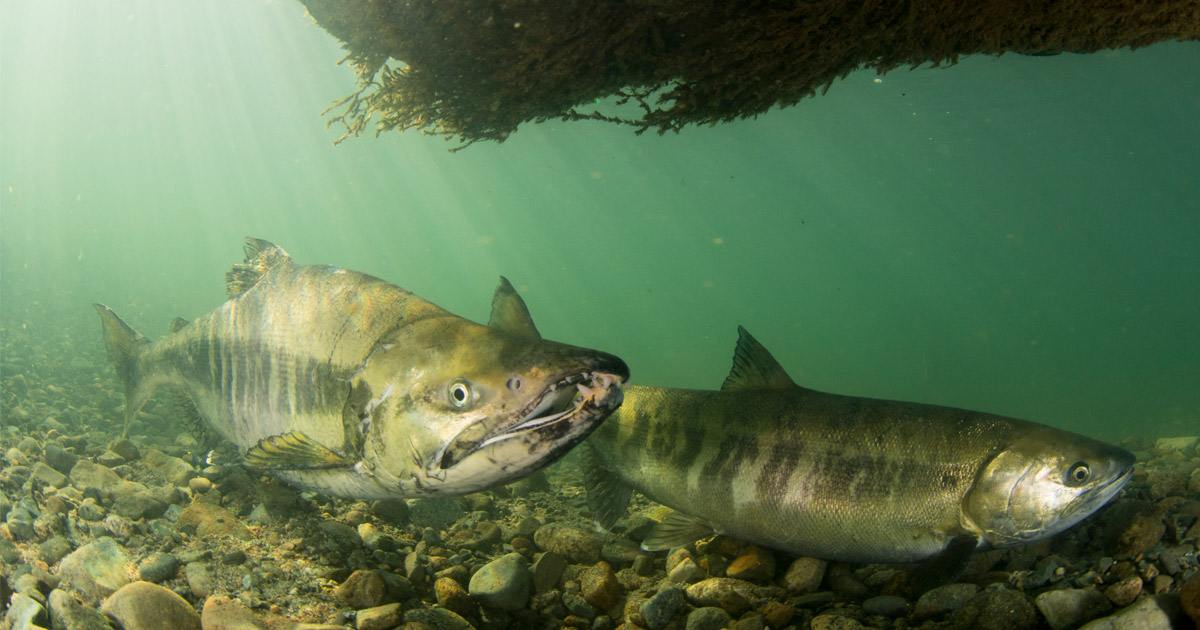
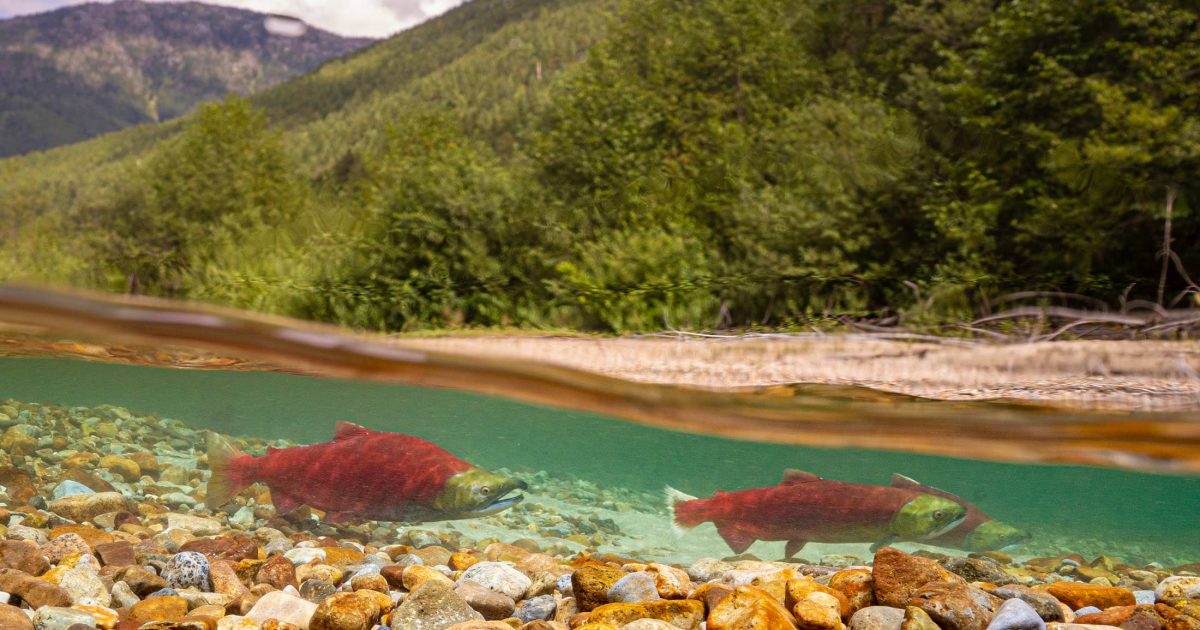
3. Advance land-use policies that prioritize the health of wild salmon and biodiversity
- Zoning that bolsters functioning watersheds and riparian habitat (i.e.protect natural features, limit impervious surfaces, reduce urban sprawl, adopt nature-based solutions).
- Forestry policy that prioritizes salmon health by restricting clear-cutting in salmon watersheds, and incentivizes a sustainable, second or third-growth forest economy.
- Climate adaptation policy that incentivizes nature-based solutions including natural shorelines, intact riparian areas, unrestricted floodplains, managed retreat, and use of rain-gardens in urban areas.
Our recent reports
Recent articles

The Get Out Migration – Salmon are Sacred
Sidney Presentation by Alexandra Morton – Salmon are Sacred Alexandra Morton will be giving an evening presentation about her reasons for rallying the public around wild salmon. She’ll share her experiences about her journey on the Migration and her hopes for the next day’s rally in Victoria at the Parliament buildings. A table will be…

Coastal waters are no place for oil tankers
Special to the Vancouver Sun, Earth day April 22 2010 By Josh Paterson, Jen Lash, Nikki Skuce, Gerald Amos, Pat Moss, Eric Swanson, Jennifer Rice, Julia Hill and Chris Genovali. Federal studies have repeatedly concluded that oil tankers must be prohibited in some sensitive marine areas because of the severe risks. The Campbell government was…
Would you like worms with that?
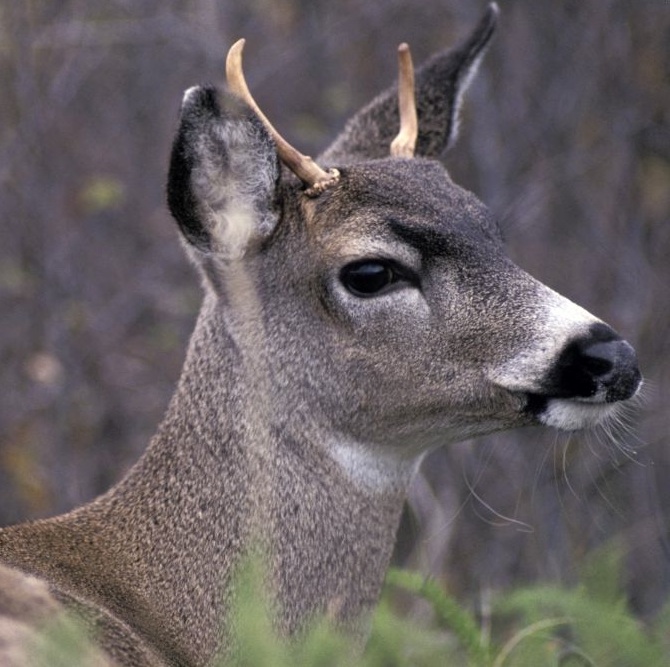
Raincoast researchers publish paper on unexpected discovery. Conservation research can lead to unexpected findings. Sometimes these surprises relate to our core questions while other times they belong in a science fiction film. One of these findings occurred while we were studying diseases that might harm wildlife in coastal BC. Though not what we set out…

Identification of nematodes in feces of gray wolves
Heather M. Bryan, Kathrin A. Sim, Chris T. Darimont, Paul C. Paquet, Brent Wagner, Violeta Munoz- Fuentes, Judit E. Smits, and Neil B. Chilton. 2o1o. Identification of Parelaphostrongylus odocoilei (Nematoda: Protostrongylidae) First-Stage Larvae in the Feces of Gray Wolves (Canis lupus) by Molecular Methods. Journal of Wildlife Diseases, 46(1) 297–302

Why I support Raincoast
Supporter and volunteer Don Arney gives time to Raincoast “I donate my flying time to take Raincoast’s Salmon Carnivore team to places where grizzlies roam but where the team’s boats and gum boots cannot take them. I make this contribution because I see in them a passionate group of scientists and conservationists who work hard…

Field Notes: Saving our bears
Outpost Magazine, April 2010, by Chris Darimont In one of Nature’s most elegant pas de daux, salmon and bear engage in a delicate dance for survival. The bear is losing… We’re searching for solutions to one of the most critical questions facing coastal B.C. today: how to guarantee grizzlies enough salmon to ensure their survival….