

Shifting salmon policy
Photo by Alex Harris.
Ecosystems are complex. They are communities of living organisms connected through interacting processes and features on the land, in water, and between the two. Yet BC’s antiquated environmental policy doesn’t reflect this. Colonial society governs ecosystems by siloing them into distinct ministries and resources instead of reflecting the interconnected nature of habitats that make them function in the living world. This “siloed decision making”is the root cause of many of the ecological challenges we face today.
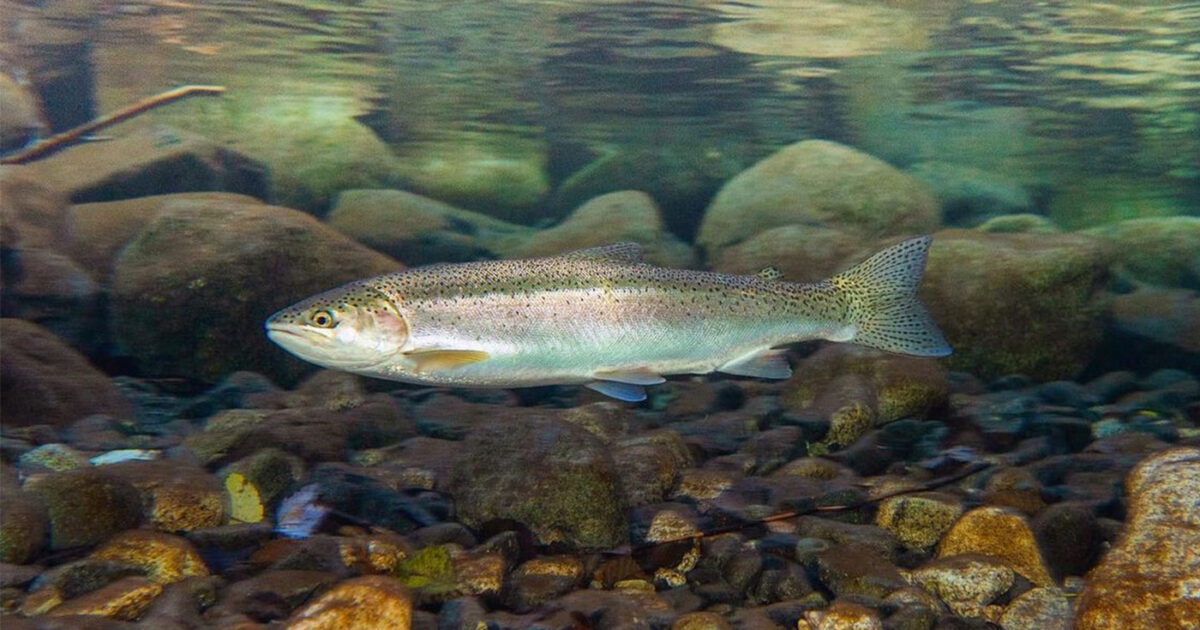
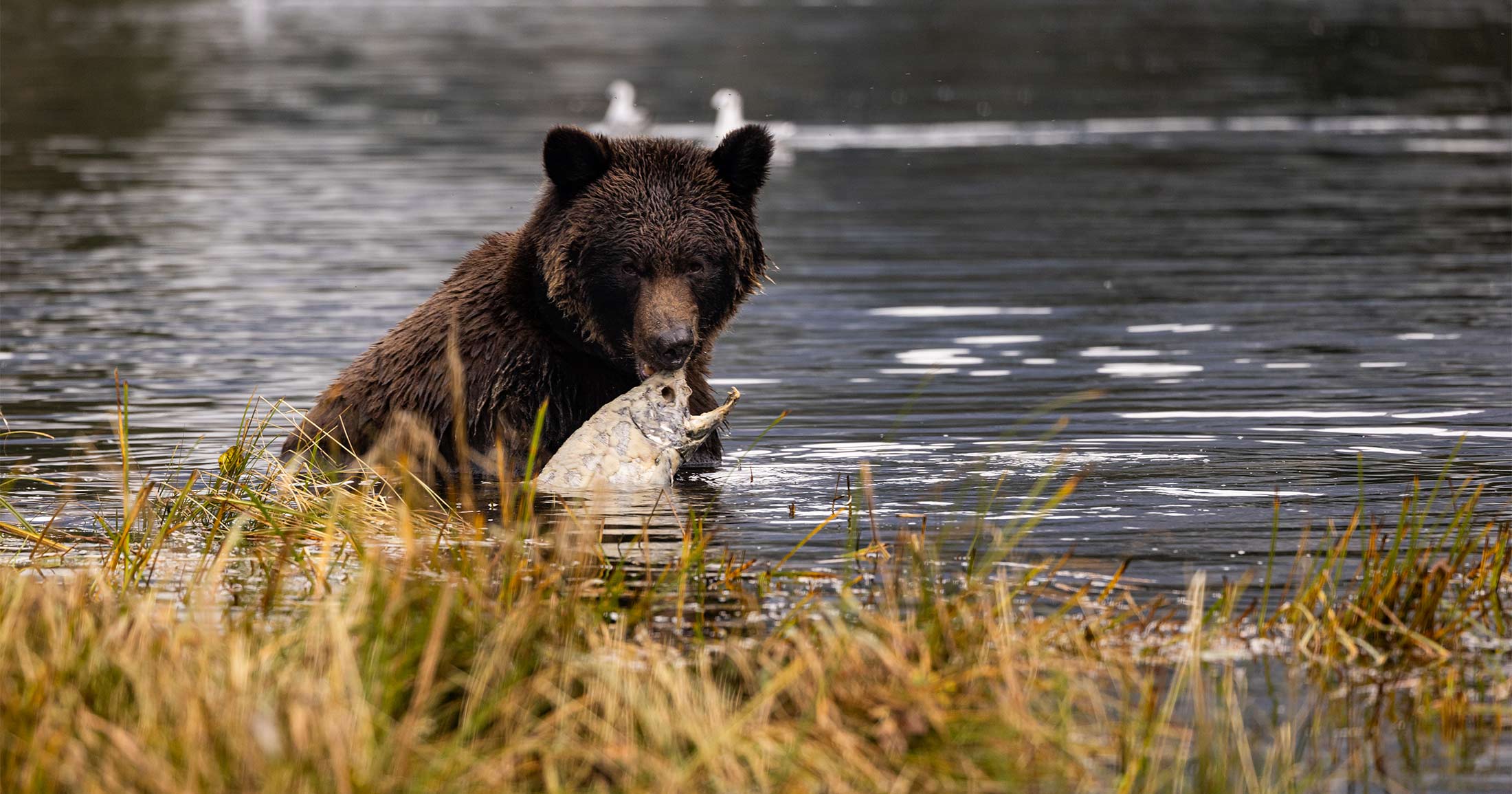
Our policy goals
1. Manage fisheries for ecosystems
- Set salmon harvest at levels that optimize the benefits of spawning salmon to watersheds and wildlife.
- Shift away from historic management paradigms that minimize the number of spawning salmon reaching rivers and maximize harvest (called Maximum Sustainable Yield). Move towards fisheries management that meets salmon spawning targets that are ecologically based, not harvest-based.
- Shift harvest toward selective terminal fisheries (conducted in or near the rivers of origin) that respect the ‘place-based’ nature of salmon, and optimize the benefits to ecosystems, Indigenous cultures, and local communities.
2. Implement ecological-based governance
- Conservation planning and a commitment to sustainability that looks 7 generations ahead.
- A “whole-of-government” approach that implements shared solutions by Indigenous, federal, provincial, and municipal governments to achieve salmon recovery from inland watersheds and rivers, to the open ocean.
- Governance that honours Aboriginal rights and title, inherent Indigenous jurisdiction and law, and the United Nations Declaration on the Rights of Indigenous Peoples (UNDRIP) and the Declaration on the Rights of Indigenous Peoples Act (DRIPA).
- Sustainable funding strategies for watershed-scale restoration and planning.
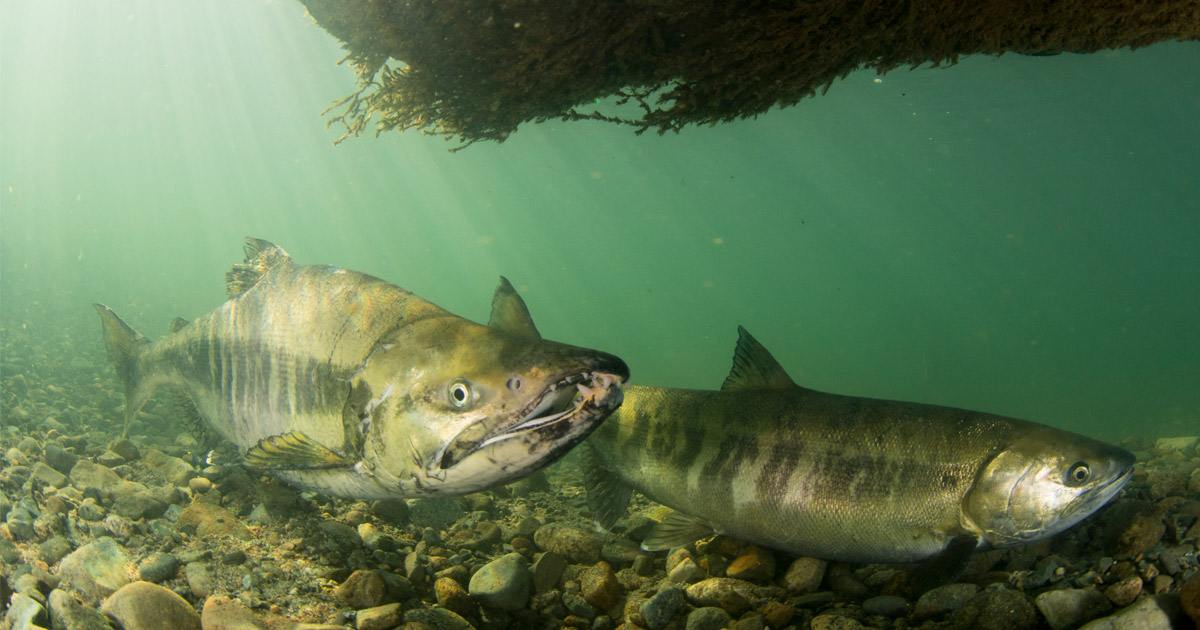
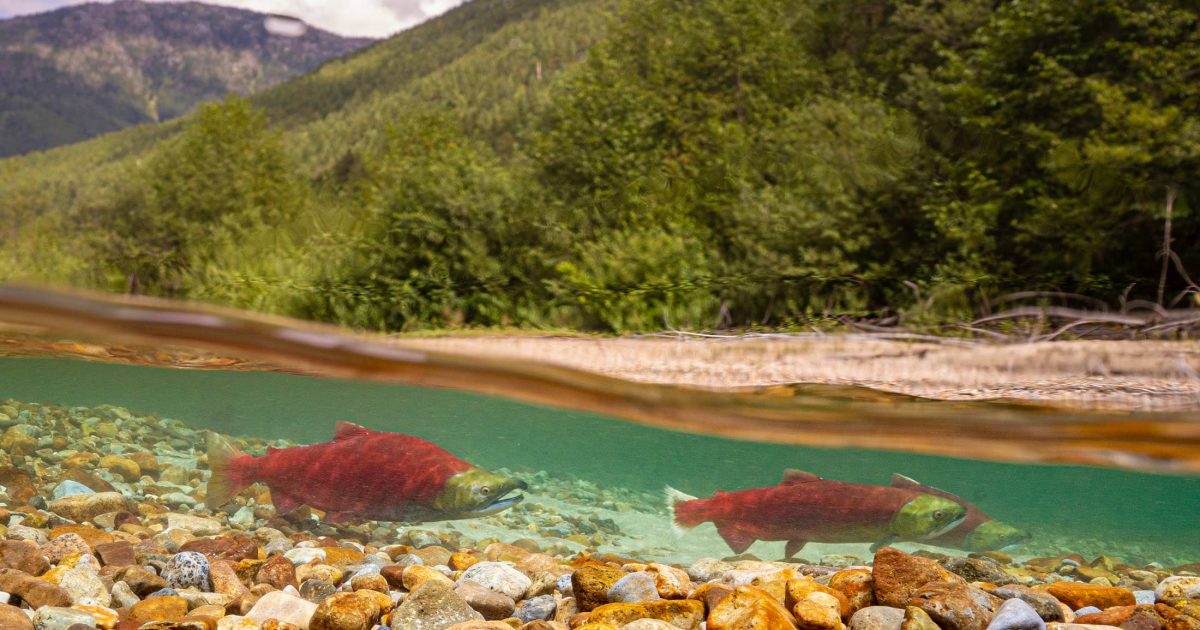
3. Advance land-use policies that prioritize the health of wild salmon and biodiversity
- Zoning that bolsters functioning watersheds and riparian habitat (i.e.protect natural features, limit impervious surfaces, reduce urban sprawl, adopt nature-based solutions).
- Forestry policy that prioritizes salmon health by restricting clear-cutting in salmon watersheds, and incentivizes a sustainable, second or third-growth forest economy.
- Climate adaptation policy that incentivizes nature-based solutions including natural shorelines, intact riparian areas, unrestricted floodplains, managed retreat, and use of rain-gardens in urban areas.
Our recent reports
Recent articles

Would a grizzly bear certify this fishery?
To protect BC’s wild sockeye salmon and truly drive conservation in the world’s oceans, the Marine Stewardhip Council (MSC) needs to address the structural flaws in their certification process and commit to incorporating ecosystem objectives for marine and terrestrial environments.

Capturing Curious Carnivores
Now that this year’s field crew for the salmon carnivore project has disbanded I find myself reminiscing about the experience by obsessively cycling through photos. Though a vast amount of photos were taken during the field season, wildlife images captured by our trail cameras stand out as especially extraordinary. There’s something intensely captivating about watching…

How much is a grizzly bear’s life worth?
As the field season draws to a close, I finally have the time to reflect on some of our experiences. As it appears, somebody else is doing some reflection. We are pulling some of our remote cameras and inspecting the images of bears at our non-invasive hair-snagging stations.

Hands Across the Sand
Hands Across the Sand is a movement made of people of all walks of life and crosses political affiliations. This movement is not about politics; it is about protection of our coastal economies, oceans, marine wildlife, and fishing industry. Let us share our knowledge, energies and passion for protecting all of the above from the…
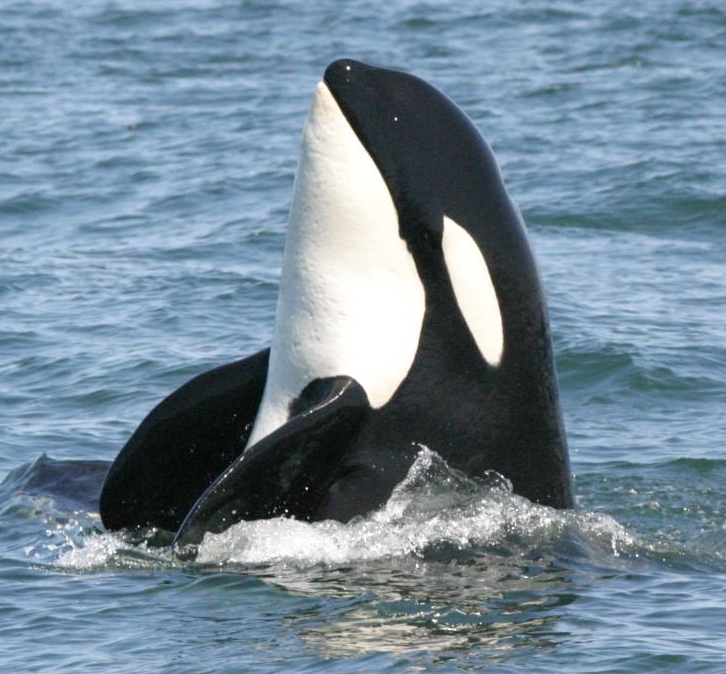
Feds sued over lack of protection for killer whales
The trial to protect BC’s resident killer whales and their critical habitat began Tuesday June 15, 2010 in the federal courthouse in Vancouver, BC. Ecojustice is representing Raincoast and eight other conservation groups. The following links will give you more information about the story and the case. The halls of Justice: Day 1 (Blog) BCs…

The Halls of Justice: Day 1
The ancient Goddess of Justice, Themis, stands with her scales; an avenger in her earliest portrayals, but evolved to wear a blindfold in more recent times to represent the principles of modern law. For me, today’s goddess of justice is standing in the middle of a federal courtroom in downtown Vancouver, conveying the facts and…