

Shifting salmon policy
Photo by Alex Harris.
Ecosystems are complex. They are communities of living organisms connected through interacting processes and features on the land, in water, and between the two. Yet BC’s antiquated environmental policy doesn’t reflect this. Colonial society governs ecosystems by siloing them into distinct ministries and resources instead of reflecting the interconnected nature of habitats that make them function in the living world. This “siloed decision making”is the root cause of many of the ecological challenges we face today.
Our policy goals
1. Manage fisheries for ecosystems
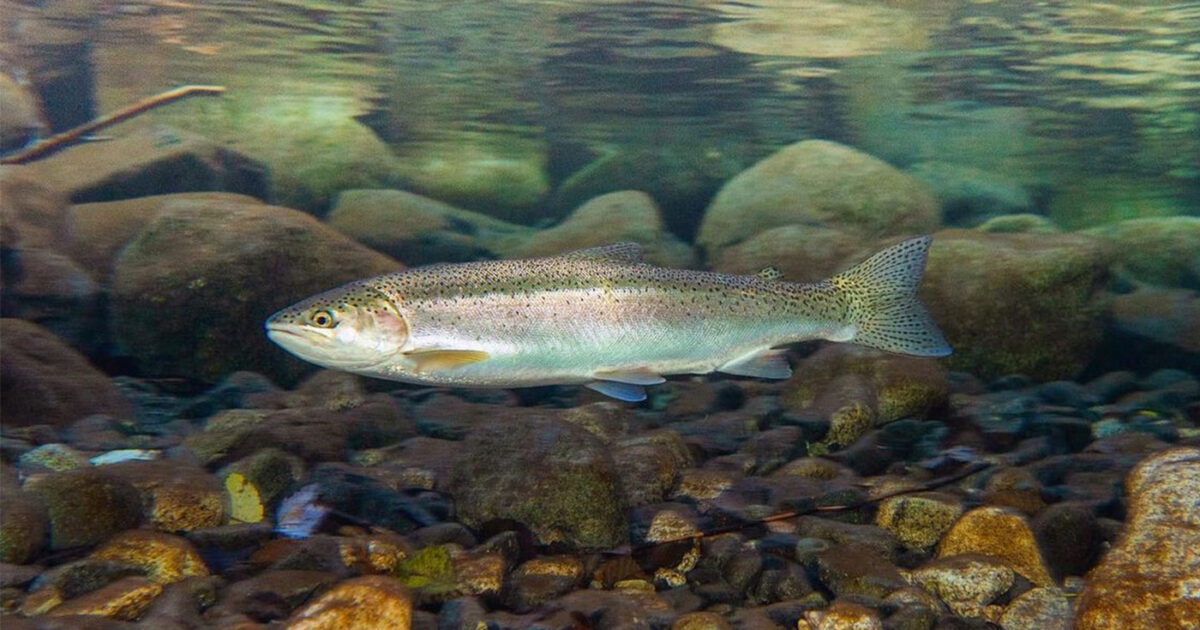
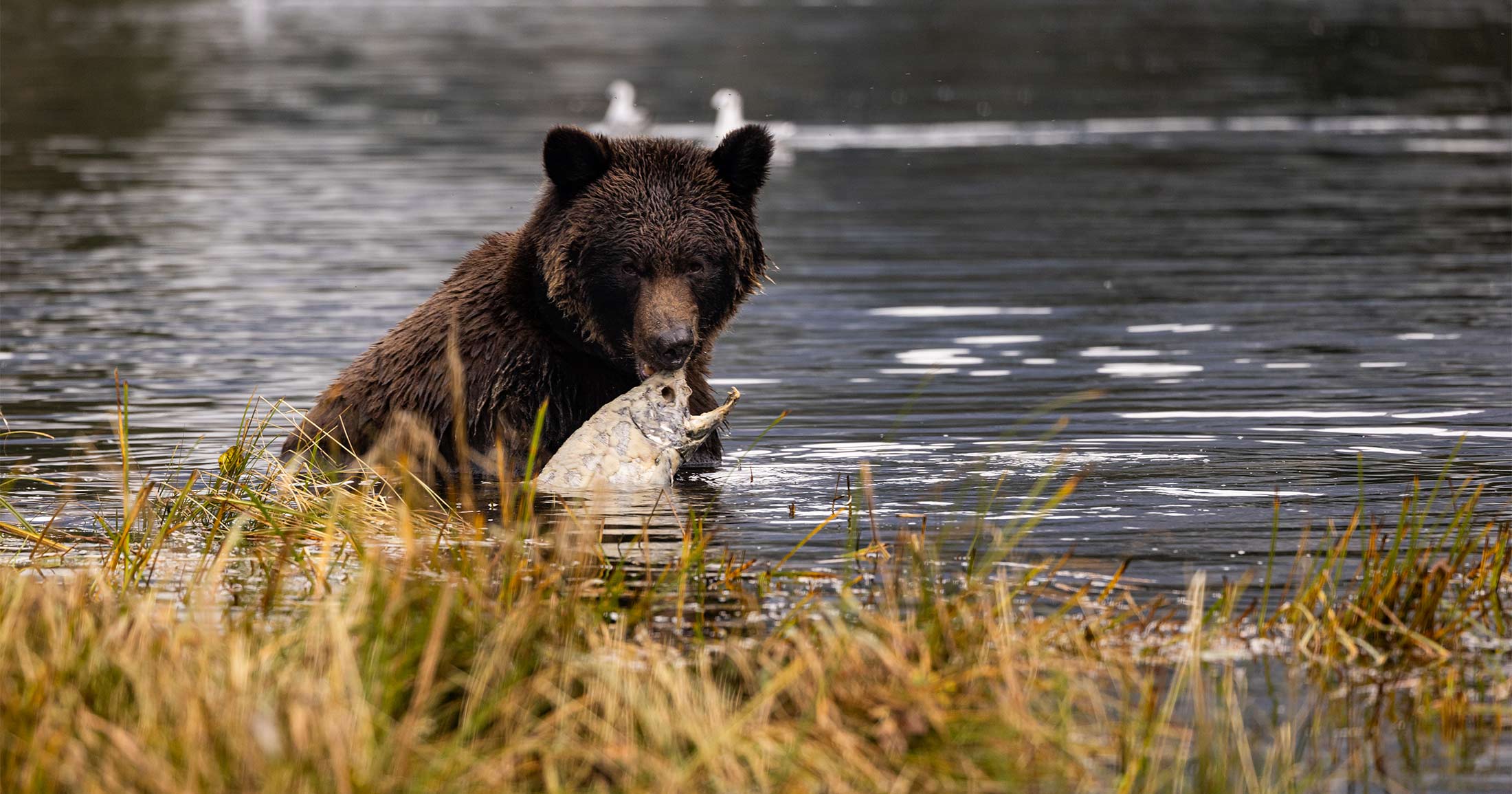
- Set salmon harvest at levels that optimize the benefits of spawning salmon to watersheds and wildlife.
- Shift away from historic management paradigms that minimize the number of spawning salmon reaching rivers and maximize harvest (called Maximum Sustainable Yield). Move towards fisheries management that meets salmon spawning targets that are ecologically based, not harvest-based.
- Shift harvest toward selective terminal fisheries (conducted in or near the rivers of origin) that respect the ‘place-based’ nature of salmon, and optimize the benefits to ecosystems, Indigenous cultures, and local communities.
2. Implement ecological-based governance
- Conservation planning and a commitment to sustainability that looks 7 generations ahead.
- A “whole-of-government” approach that implements shared solutions by Indigenous, federal, provincial, and municipal governments to achieve salmon recovery from inland watersheds and rivers, to the open ocean.
- Governance that honours Aboriginal rights and title, inherent Indigenous jurisdiction and law, and the United Nations Declaration on the Rights of Indigenous Peoples (UNDRIP) and the Declaration on the Rights of Indigenous Peoples Act (DRIPA).
- Sustainable funding strategies for watershed-scale restoration and planning.
3. Advance land-use policies that prioritize the health of wild salmon and biodiversity
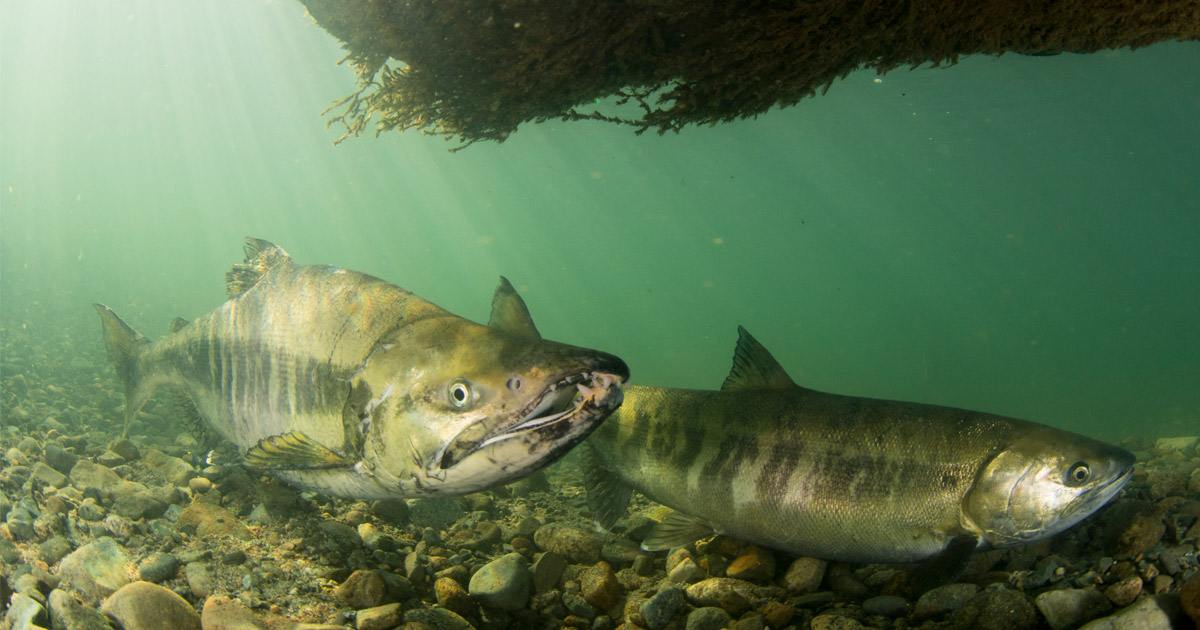
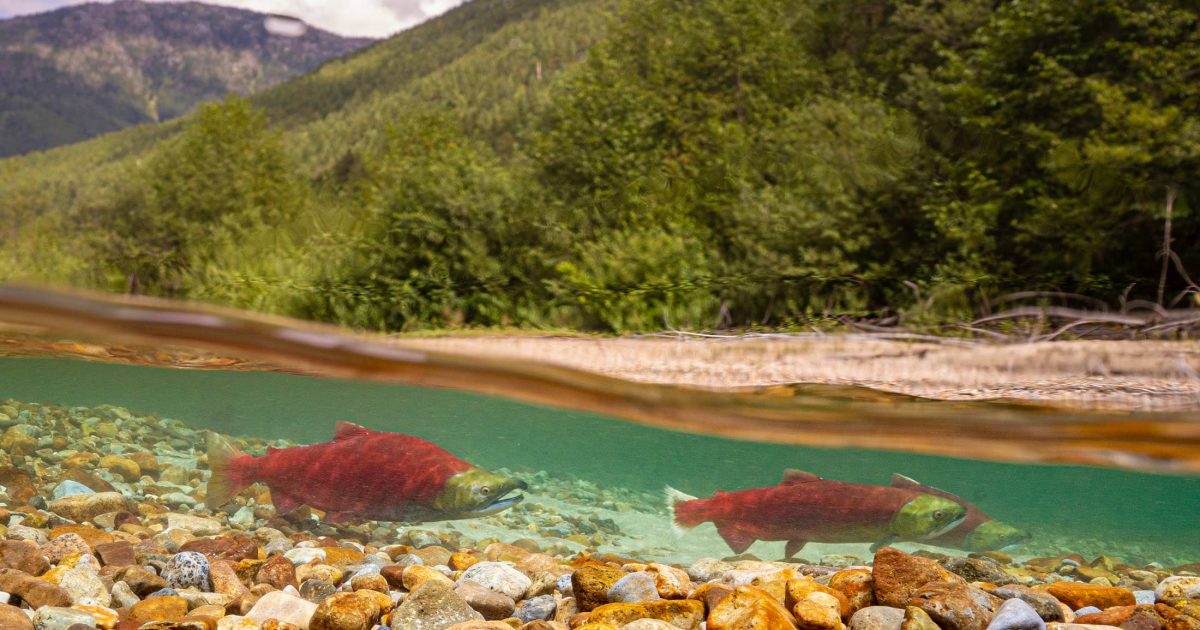
- Zoning that bolsters functioning watersheds and riparian habitat (i.e.protect natural features, limit impervious surfaces, reduce urban sprawl, adopt nature-based solutions).
- Forestry policy that prioritizes salmon health by restricting clear-cutting in salmon watersheds, and incentivizes a sustainable, second or third-growth forest economy.
- Climate adaptation policy that incentivizes nature-based solutions including natural shorelines, intact riparian areas, unrestricted floodplains, managed retreat, and use of rain-gardens in urban areas.
Our recent reports
Recent articles

Kill for cash – coyotes targeted in Nova Scotia’s “pelt incentive” program
Nova Scotia opens a coyote bounty despite the lack of scientific evidence that killing coyotes changes the behavior of animals who survive.

Scientists call on Nova Scotia to Stop Coyote Bounty
Astounding scientists and conservationists, Nova Scotia has declared a coyote bounty. Guised as a “pelt incentive plan” the bounty would provide $20 per coyote. But coyote bounties don’t work to control the population…

Death cults among us: The war on wolves
Chris Genovali and Camilla Fox discuss the persecution of wolves on both sides of the US/Canada border, despite the use of their presence as icons of wilderness.

The death cults among us
By Chris Genovali and Camilla Fox
Montana’s request to hunt endangered gray wolves has been turned down by the U.S. Fish and Wildlife Service; not that the federal agency is opposed to wolf hunting, but because they believe the Montana proposal would not survive a legal challenge…

Victoria marathoners pump hearts and charities
By Katherine Dedyna, Times Colonist October 7, 2010
Sunday morning’s GoodLife Fitness Victoria Marathon will raise a lot more than heart rates. Runners and their supporters are trying to raise $300,000 in conjunction with 22 charities. 18 local non-profits, from the Threshold Housing Society to the Raincoast Conservation Foundation…

Marathon Training: The ‘Fin’al Run
For several months now, members of the Raincoast ‘Salmon Run’ team have been scattered in various places running the trails and roads of Calgary, California, Vancouver and Victoria as they train for the upcoming Victoria Marathon. For me, I’ve been hitting the logging roads of the Broughton Archipelago on the BC coast. Despite some drawbacks…