

Shifting salmon policy
Photo by Alex Harris.
Ecosystems are complex. They are communities of living organisms connected through interacting processes and features on the land, in water, and between the two. Yet BC’s antiquated environmental policy doesn’t reflect this. Colonial society governs ecosystems by siloing them into distinct ministries and resources instead of reflecting the interconnected nature of habitats that make them function in the living world. This “siloed decision making”is the root cause of many of the ecological challenges we face today.
Our policy goals
1. Manage fisheries for ecosystems
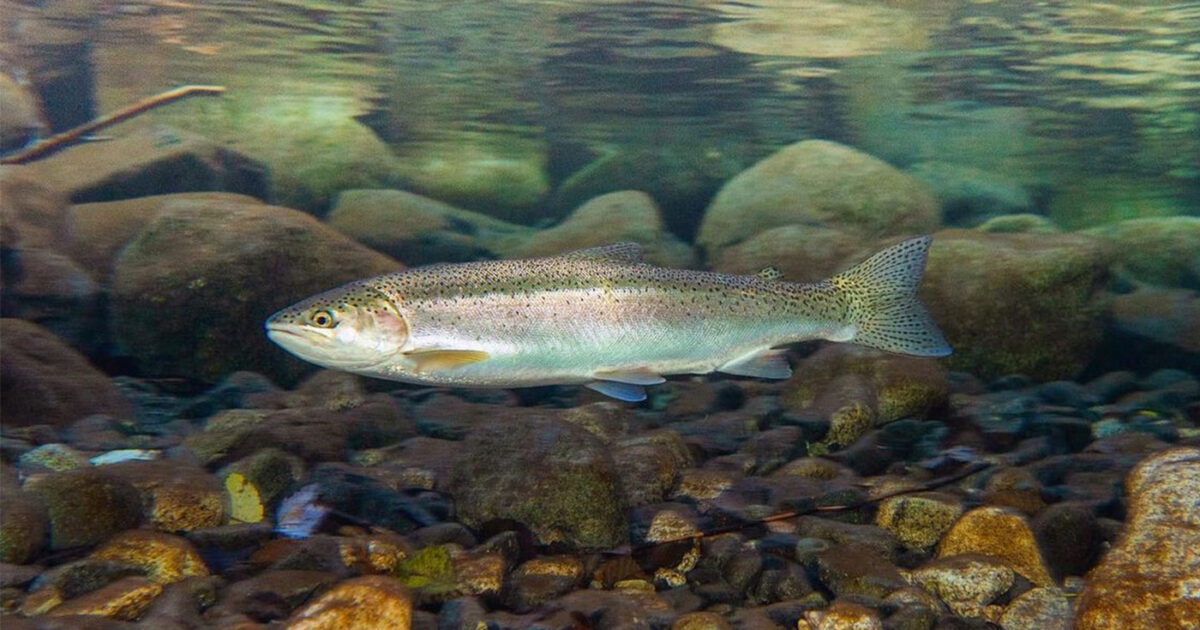
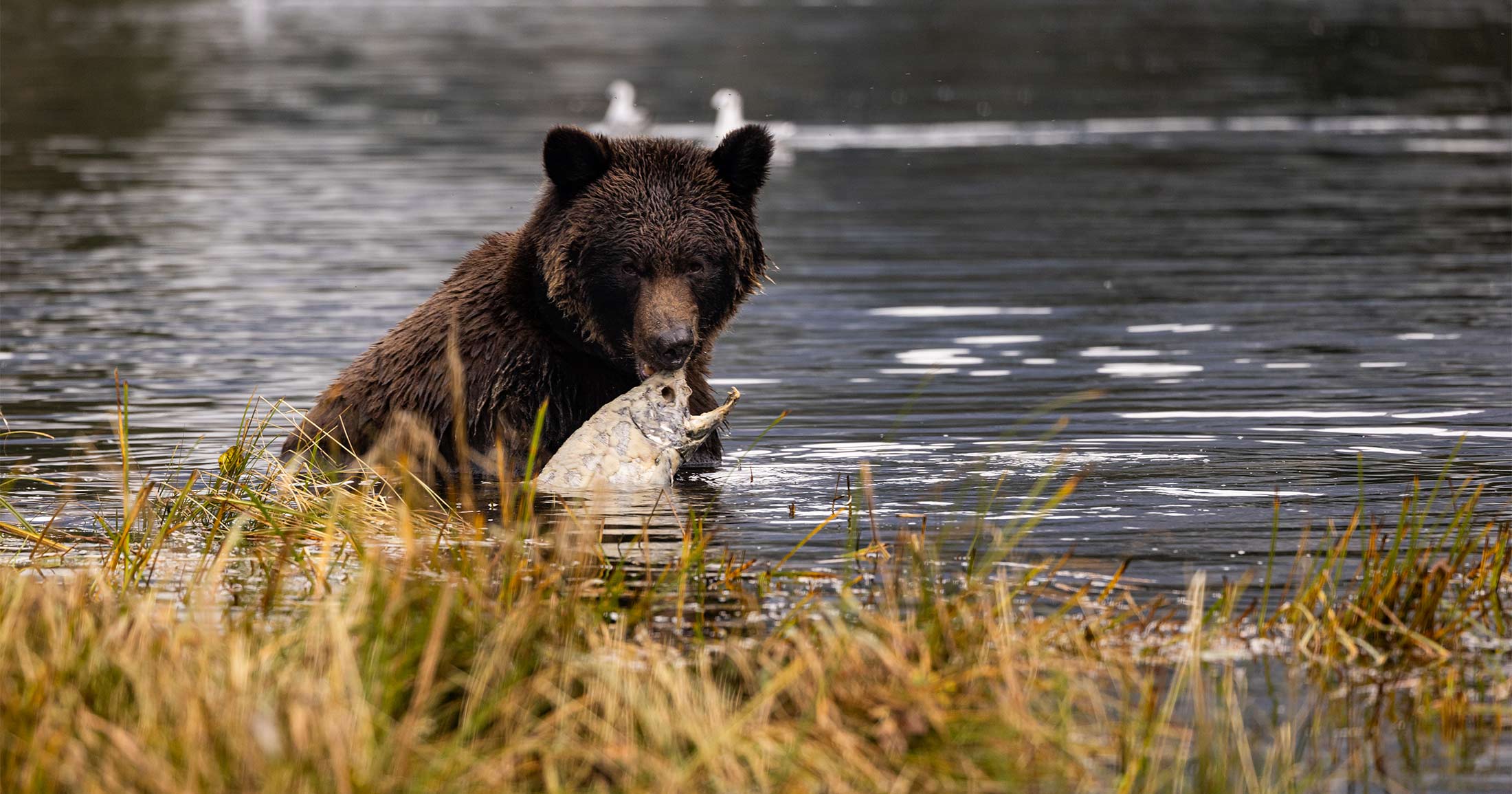
- Set salmon harvest at levels that optimize the benefits of spawning salmon to watersheds and wildlife.
- Shift away from historic management paradigms that minimize the number of spawning salmon reaching rivers and maximize harvest (called Maximum Sustainable Yield). Move towards fisheries management that meets salmon spawning targets that are ecologically based, not harvest-based.
- Shift harvest toward selective terminal fisheries (conducted in or near the rivers of origin) that respect the ‘place-based’ nature of salmon, and optimize the benefits to ecosystems, Indigenous cultures, and local communities.
2. Implement ecological-based governance
- Conservation planning and a commitment to sustainability that looks 7 generations ahead.
- A “whole-of-government” approach that implements shared solutions by Indigenous, federal, provincial, and municipal governments to achieve salmon recovery from inland watersheds and rivers, to the open ocean.
- Governance that honours Aboriginal rights and title, inherent Indigenous jurisdiction and law, and the United Nations Declaration on the Rights of Indigenous Peoples (UNDRIP) and the Declaration on the Rights of Indigenous Peoples Act (DRIPA).
- Sustainable funding strategies for watershed-scale restoration and planning.
3. Advance land-use policies that prioritize the health of wild salmon and biodiversity
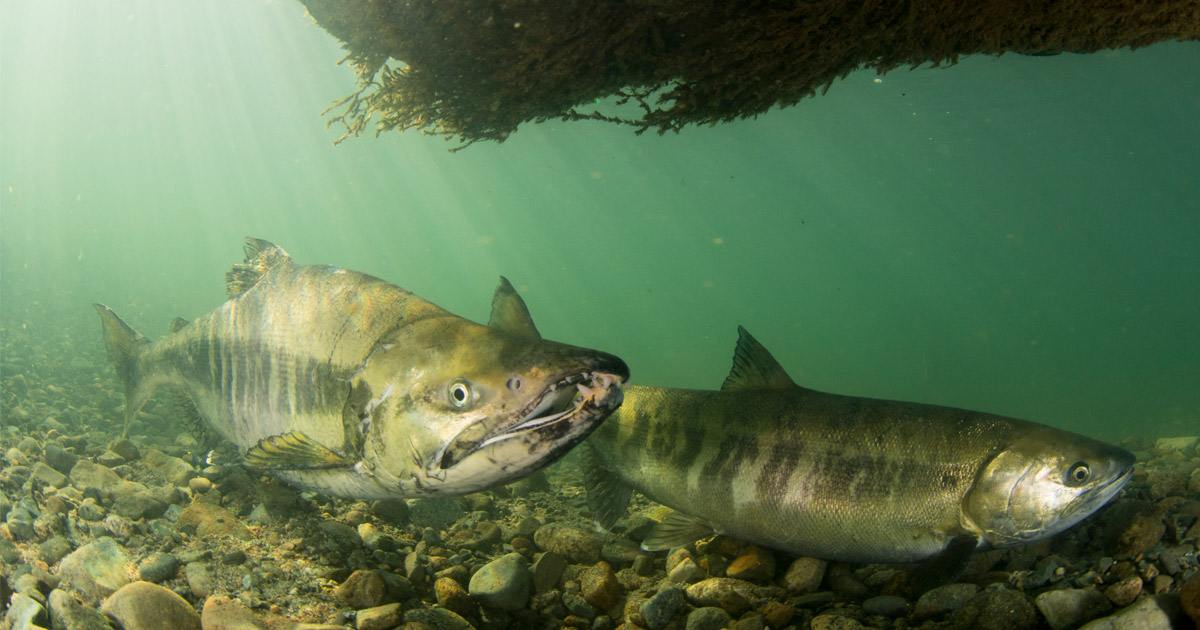
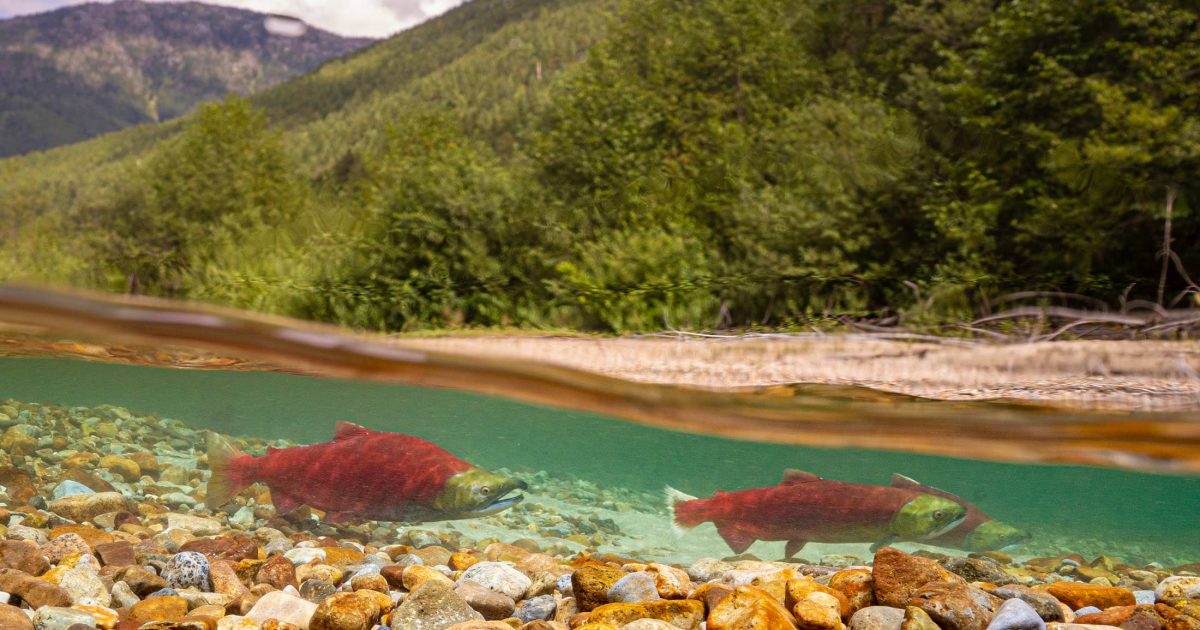
- Zoning that bolsters functioning watersheds and riparian habitat (i.e.protect natural features, limit impervious surfaces, reduce urban sprawl, adopt nature-based solutions).
- Forestry policy that prioritizes salmon health by restricting clear-cutting in salmon watersheds, and incentivizes a sustainable, second or third-growth forest economy.
- Climate adaptation policy that incentivizes nature-based solutions including natural shorelines, intact riparian areas, unrestricted floodplains, managed retreat, and use of rain-gardens in urban areas.
Our recent reports
Recent articles

Salmon management should include wildlife
As this year’s salmon head upstream, scientists have spawned a game-changing idea about how taking less salmon from the ocean might bring more benefits to ecosystems and economies…

Salmon for Terrestrial Protected Areas
When watersheds are protected for coastal wildlife such as grizzly bears, spirit bears and wolves, shouldn’t the salmon runs they depend on for food and energy receive protection protected as well?

It was only 8K
By Andrew Rosenberger
It was only 8K. When I registered for the race, that was what I kept thinking. I wasn’t worried about the other 2,681 runners and walkers in the 8K race, or about the fact that I had only been running once in the last month…

Patagonia supports Raincoast
Patagonia’s 2010 Winter Catalog features Raincoast scientist Dr. Chris Darimont at work in the Great Bear Rainforest…

Canadian Coyote Bounty – Killing Carnivores for Cash
by Camilla Fox and Chris Genovali
In seemingly contradictory comments, Nova Scotia’s Natural Resource Minister John MacDonnell has acknowledged publicly that coyote bounties “don’t work to control the population…”

Salmon team makes a splash at the Victoria Marathon
Together with 14,000 other runners, members of Raincoast’s salmon team took part in the kid’s run, 8 km, half marathon and full marathon events at the GoodLife Fitness Marathon on October 10th, 2010. Standing at the starting line amidst a sea of runners, I felt both excited and nervous. Many of us, including my friend,…