

Shifting salmon policy
Photo by Alex Harris.
Ecosystems are complex. They are communities of living organisms connected through interacting processes and features on the land, in water, and between the two. Yet BC’s antiquated environmental policy doesn’t reflect this. Colonial society governs ecosystems by siloing them into distinct ministries and resources instead of reflecting the interconnected nature of habitats that make them function in the living world. This “siloed decision making”is the root cause of many of the ecological challenges we face today.


Our policy goals
1. Manage fisheries for ecosystems
- Set salmon harvest at levels that optimize the benefits of spawning salmon to watersheds and wildlife.
- Shift away from historic management paradigms that minimize the number of spawning salmon reaching rivers and maximize harvest (called Maximum Sustainable Yield). Move towards fisheries management that meets salmon spawning targets that are ecologically based, not harvest-based.
- Shift harvest toward selective terminal fisheries (conducted in or near the rivers of origin) that respect the ‘place-based’ nature of salmon, and optimize the benefits to ecosystems, Indigenous cultures, and local communities.
2. Implement ecological-based governance
- Conservation planning and a commitment to sustainability that looks 7 generations ahead.
- A “whole-of-government” approach that implements shared solutions by Indigenous, federal, provincial, and municipal governments to achieve salmon recovery from inland watersheds and rivers, to the open ocean.
- Governance that honours Aboriginal rights and title, inherent Indigenous jurisdiction and law, and the United Nations Declaration on the Rights of Indigenous Peoples (UNDRIP) and the Declaration on the Rights of Indigenous Peoples Act (DRIPA).
- Sustainable funding strategies for watershed-scale restoration and planning.


3. Advance land-use policies that prioritize the health of wild salmon and biodiversity
- Zoning that bolsters functioning watersheds and riparian habitat (i.e.protect natural features, limit impervious surfaces, reduce urban sprawl, adopt nature-based solutions).
- Forestry policy that prioritizes salmon health by restricting clear-cutting in salmon watersheds, and incentivizes a sustainable, second or third-growth forest economy.
- Climate adaptation policy that incentivizes nature-based solutions including natural shorelines, intact riparian areas, unrestricted floodplains, managed retreat, and use of rain-gardens in urban areas.
Our recent reports
Recent articles
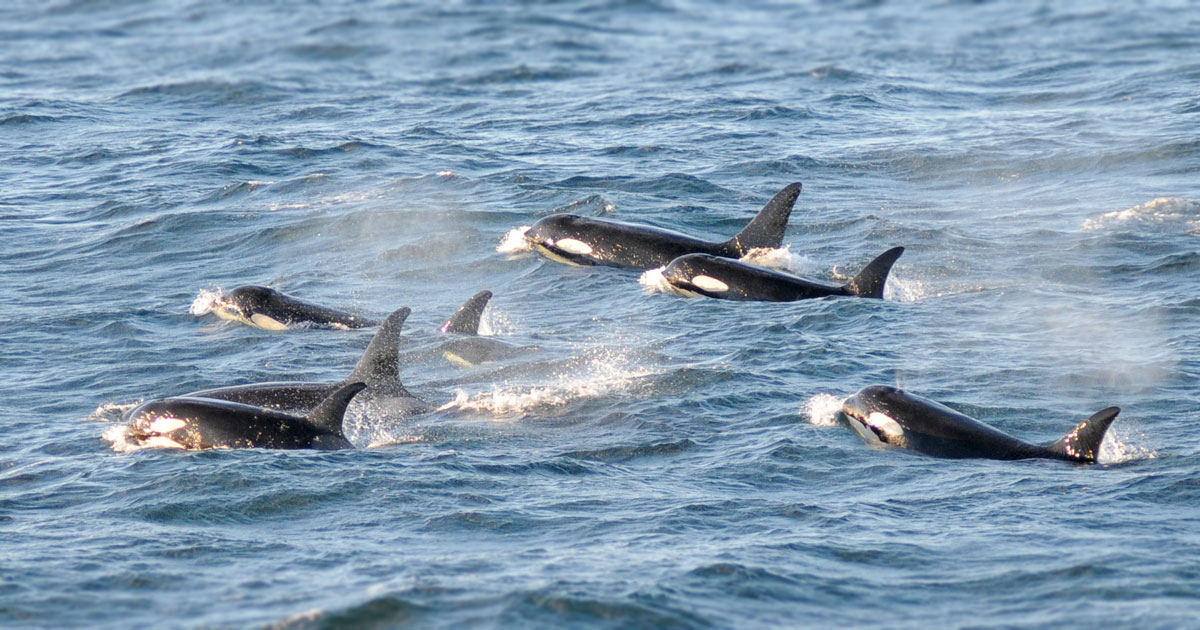
Backgrounder: Trans Mountain approval wrong choice for endangered killer whales and climate
Timeline and quick facts by Ecojustice, Living Oceans Society and Raincoast Conservation Foundation. If built, the Trans Mountain pipeline project would lead to a sevenfold increase in tanker traffic – for a total of 408 trips per year – through critical Southern Resident habitat…

Killer Creamery Partners with Raincoast to Protect Southern Resident Killer Whales
Killer Creamery, the healthy ice cream company, is partnering with Raincoast to raise funds for research and protection of Southern Resident killer whales, of which there are less than 80 remaining…
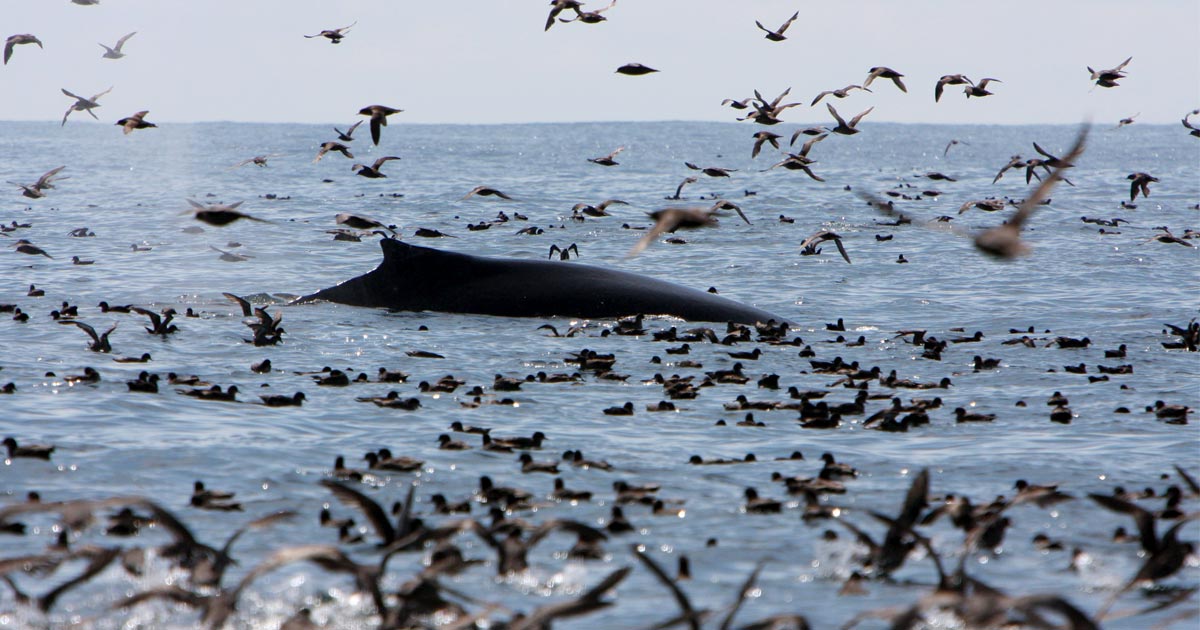
Ecological legacy of coastal B.C. hangs in the balance
One hundred years ago, whaling largely extirpated humpback and fin whales from the inside waters of the B.C. coast. As the federal government looks to codify a 35-year moratorium on oil-tanker traffic into law, these whale populations are recovering and returning to their historic feeding grounds…
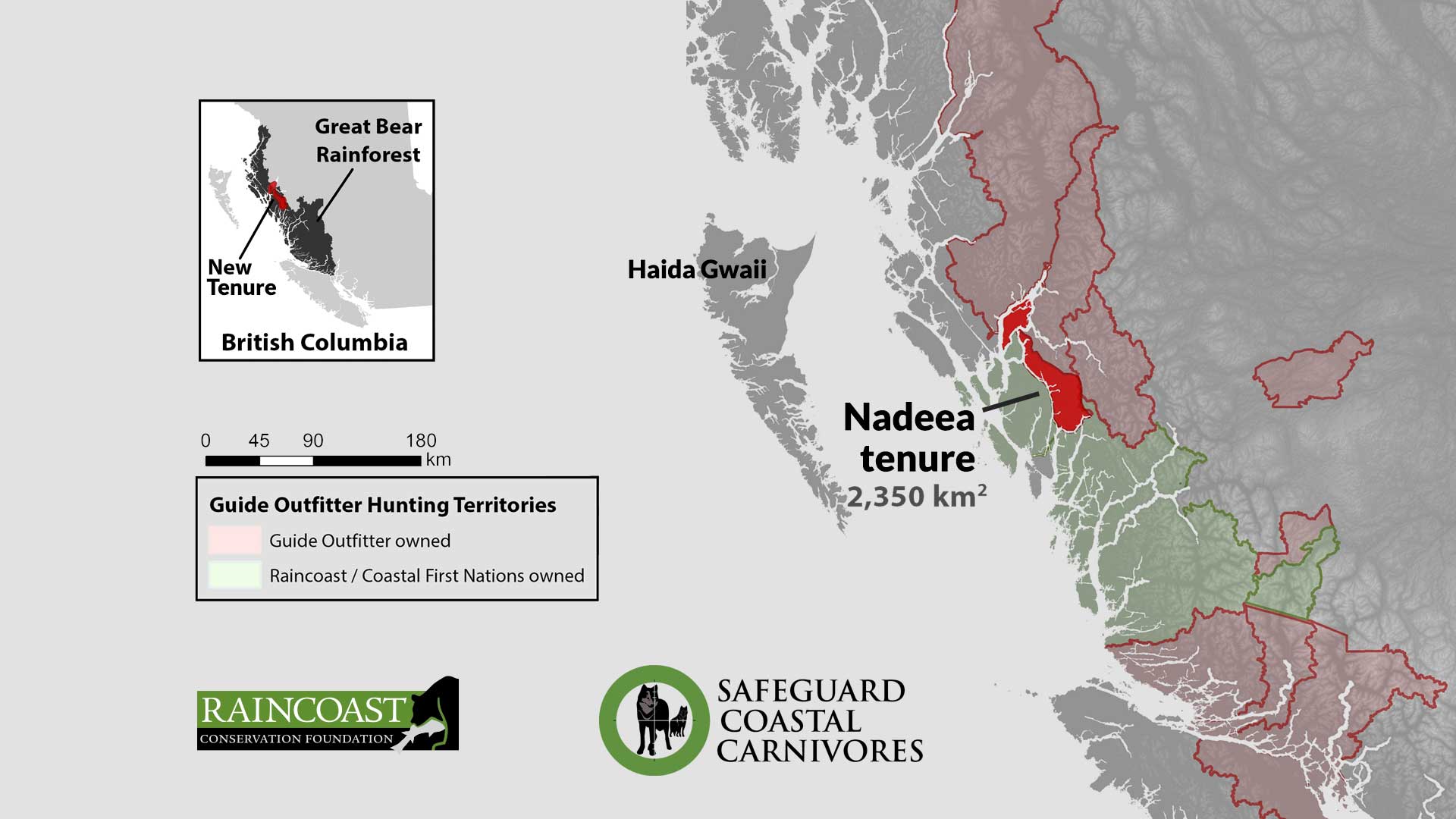
Fundraising resources to help stop commercial trophy hunting in the Nadeea tenure
There are an infinite ways for you to connect with the people in your life and ask them to make a donation to save bears. You can be creative as you want. And you can decide where you want to put yourself in the comfort-discomfort zone.

Back to the Kitlope
While Kitlope is protected from logging, and the current ban protects grizzly bears from hunting, there remains unfinished business in the Kitlope. Until now, commercial guides have been bringing trophy hunters into this place…

Canada’s recovery measures for endangered killer whales a positive step
A coalition of six conservation groups commend the federal government’s new measures to support Southern Resident killer whale recovery. The measures are the boldest yet; greater whale-watching restrictions, expanded voluntary slow downs for international shipping and the creation of no-vessel zones in feeding areas. However, important feeding areas protected from fishing are smaller than last year’s areas, allowing less protection for whales and more areas for fishing…