

Shifting salmon policy
Photo by Alex Harris.
Ecosystems are complex. They are communities of living organisms connected through interacting processes and features on the land, in water, and between the two. Yet BC’s antiquated environmental policy doesn’t reflect this. Colonial society governs ecosystems by siloing them into distinct ministries and resources instead of reflecting the interconnected nature of habitats that make them function in the living world. This “siloed decision making”is the root cause of many of the ecological challenges we face today.


Our policy goals
1. Manage fisheries for ecosystems
- Set salmon harvest at levels that optimize the benefits of spawning salmon to watersheds and wildlife.
- Shift away from historic management paradigms that minimize the number of spawning salmon reaching rivers and maximize harvest (called Maximum Sustainable Yield). Move towards fisheries management that meets salmon spawning targets that are ecologically based, not harvest-based.
- Shift harvest toward selective terminal fisheries (conducted in or near the rivers of origin) that respect the ‘place-based’ nature of salmon, and optimize the benefits to ecosystems, Indigenous cultures, and local communities.
2. Implement ecological-based governance
- Conservation planning and a commitment to sustainability that looks 7 generations ahead.
- A “whole-of-government” approach that implements shared solutions by Indigenous, federal, provincial, and municipal governments to achieve salmon recovery from inland watersheds and rivers, to the open ocean.
- Governance that honours Aboriginal rights and title, inherent Indigenous jurisdiction and law, and the United Nations Declaration on the Rights of Indigenous Peoples (UNDRIP) and the Declaration on the Rights of Indigenous Peoples Act (DRIPA).
- Sustainable funding strategies for watershed-scale restoration and planning.


3. Advance land-use policies that prioritize the health of wild salmon and biodiversity
- Zoning that bolsters functioning watersheds and riparian habitat (i.e.protect natural features, limit impervious surfaces, reduce urban sprawl, adopt nature-based solutions).
- Forestry policy that prioritizes salmon health by restricting clear-cutting in salmon watersheds, and incentivizes a sustainable, second or third-growth forest economy.
- Climate adaptation policy that incentivizes nature-based solutions including natural shorelines, intact riparian areas, unrestricted floodplains, managed retreat, and use of rain-gardens in urban areas.
Our recent reports
Recent articles

We’re headed back to court for killer whales
Today we are returning to court with partners Ecojustice and Living Oceans Society to challenge the federal government’s re-approval of the Trans Mountain pipeline expansion. Our lawyers at Ecojustice submitted a motion to the Federal Court of Appeal this morning, asking for leave to launch a judicial review of Cabinet’s decision. We contend that Cabinet…

A first grizzly bear in the Kitlope
Just days before being asked to go on a last-minute week-long trip to the Kitlope I had been glued to the pages of Cecil Paul and Briony Penn’s new book, Stories From the Magic Canoe. I was invited to visit as a guest aboard Maple Leaf, to capture visuals, to help with fundraising and awareness…

Maple Leaf’s commitment to coastal conservation
2019 marks the second year of a decade-long $100,000 commitment from Maple Leaf Adventures to our research and conservation efforts on the BC Coast and, in particular, the Great Bear Rainforest. As the spring field program for Raincoast’s Salmon Carnivore program comes to an end…
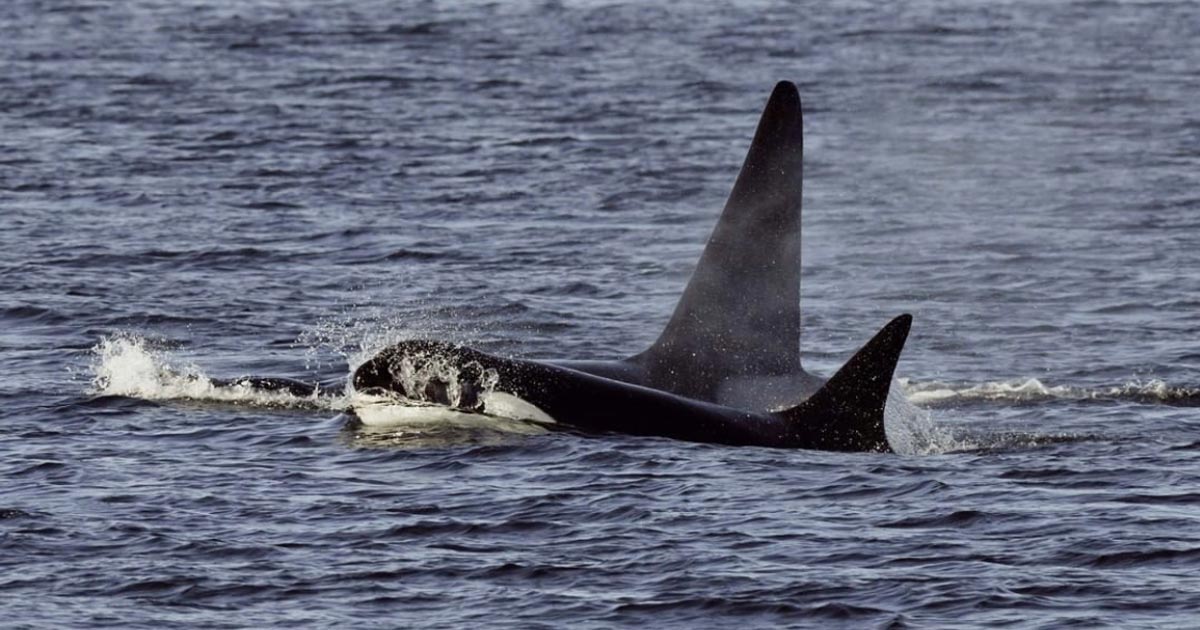
Misty MacDuffee on CFAX 1070 talking about the approval of the Trans Mountain Pipeline
The day after the federal government approved the Trans Mountain Pipeline yet again, Raincoast’s Wild Salmon Program Director, Misty MacDuffee spoke with Mark Brennae on CFAX 1070 to talk pipelines, whales, and how humans are implicated in the disappearance of species. There is, of course, the risk of an oil spill or a vessel strike, but the noise and disturbance on both inbound and outbound tankers is always a certainty. And that noise can reduce the whales ability to echolocate and communicate…
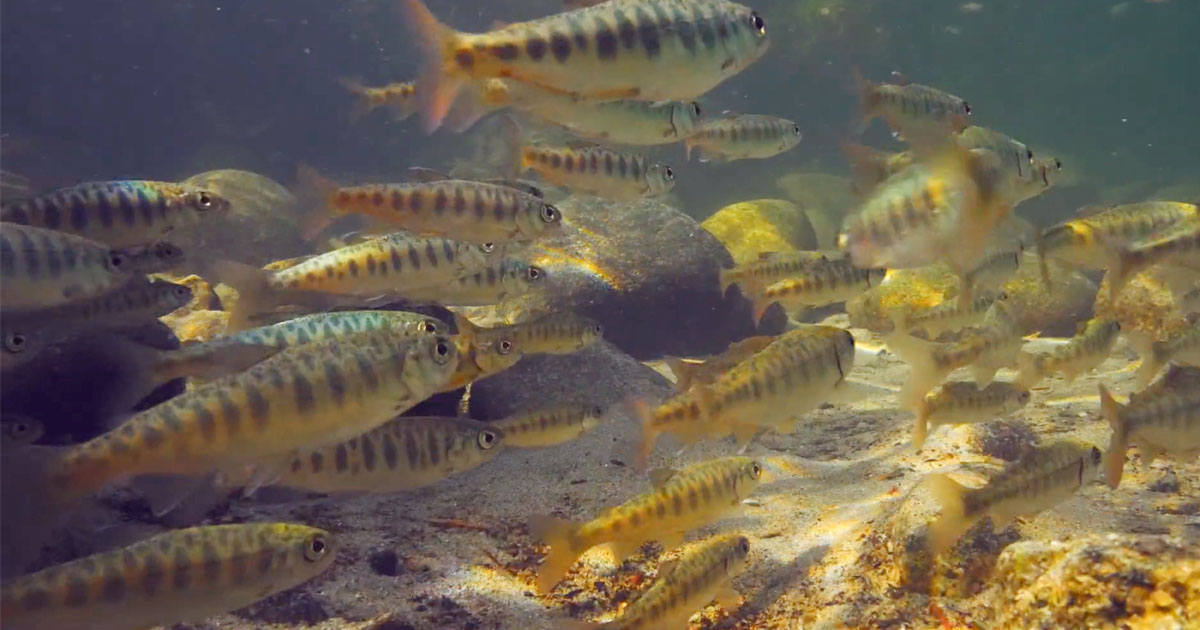
The Fraser River estuary is fragmented by structures that alter the flow of water
The first phase in Raincoast’s five-year restoration project in the Fraser estuary was making breaches in the Steveston jetty to allow young salmon access to Sturgeon Bank, a safe, marshy habitat that gives them an easier transition from river to ocean…

Great news: juvenile salmon moving through habitats reconnected after 100 years
Since the removal of sections of the Steveston jetty in February, we have been sampling our new jetty ‘breaches’ and have consistently caught juvenile salmon moving through them! This is a huge success and was realized just weeks after…