

Shifting salmon policy
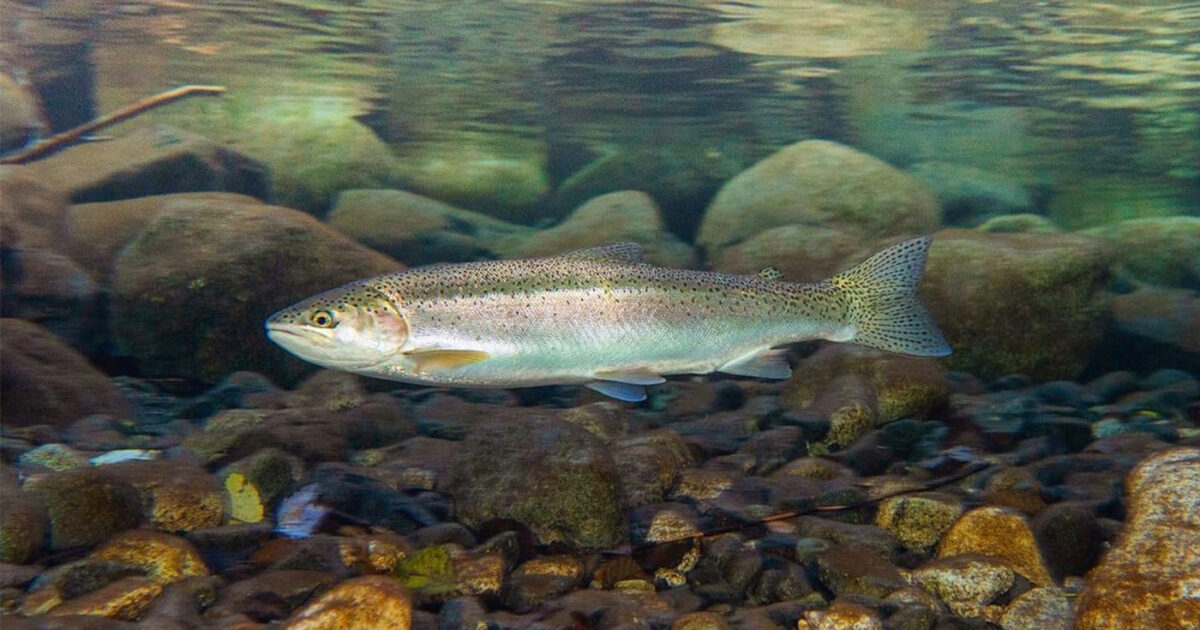
Photo by Alex Harris.
Ecosystems are complex. They are communities of living organisms connected through interacting processes and features on the land, in water, and between the two. Yet BC’s antiquated environmental policy doesn’t reflect this. Colonial society governs ecosystems by siloing them into distinct ministries and resources instead of reflecting the interconnected nature of habitats that make them function in the living world. This “siloed decision making”is the root cause of many of the ecological challenges we face today.
Our policy goals
1. Manage fisheries for ecosystems
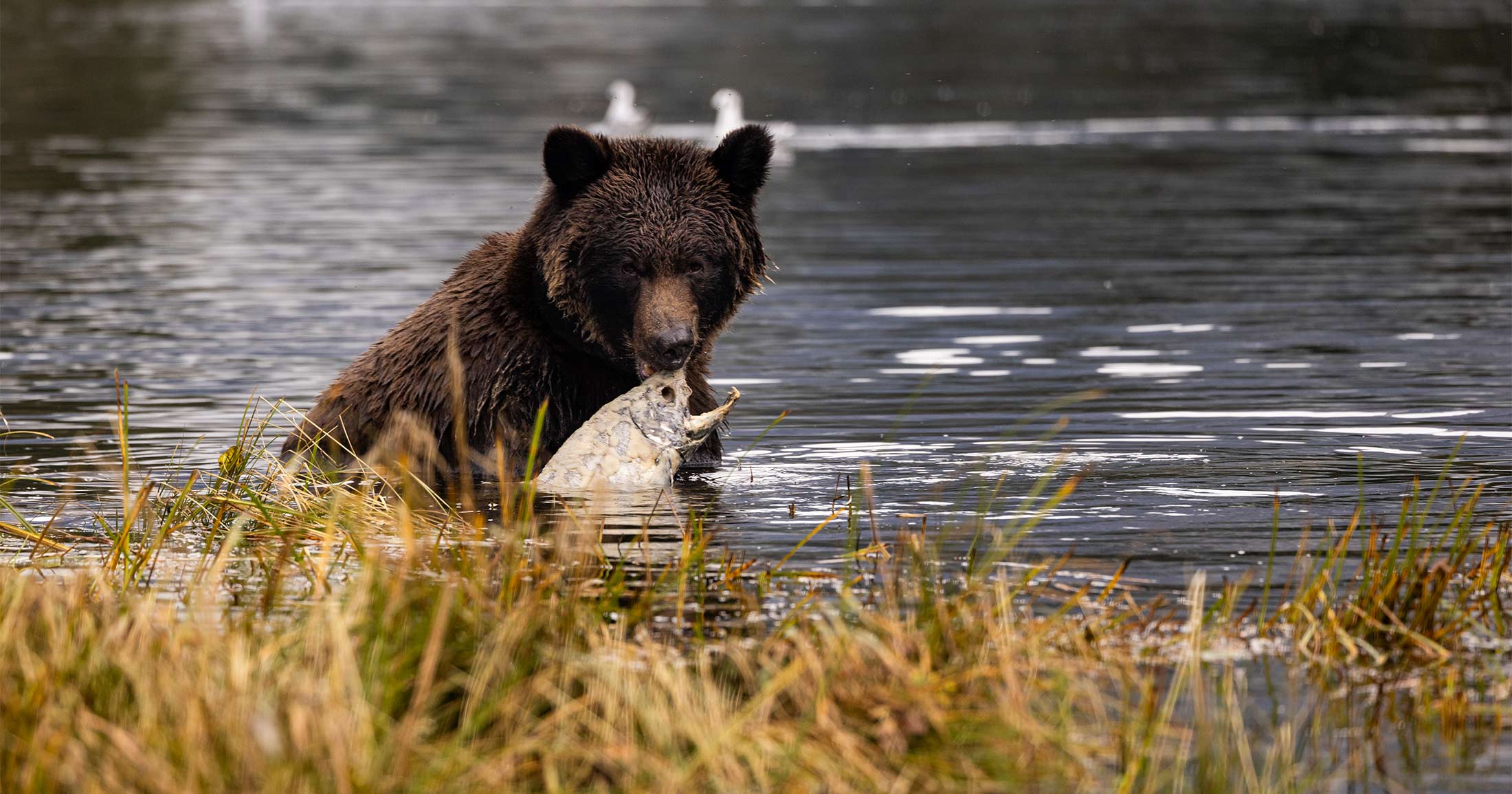
- Set salmon harvest at levels that optimize the benefits of spawning salmon to watersheds and wildlife.
- Shift away from historic management paradigms that minimize the number of spawning salmon reaching rivers and maximize harvest (called Maximum Sustainable Yield). Move towards fisheries management that meets salmon spawning targets that are ecologically based, not harvest-based.
- Shift harvest toward selective terminal fisheries (conducted in or near the rivers of origin) that respect the ‘place-based’ nature of salmon, and optimize the benefits to ecosystems, Indigenous cultures, and local communities.
2. Implement ecological-based governance
- Conservation planning and a commitment to sustainability that looks 7 generations ahead.
- A “whole-of-government” approach that implements shared solutions by Indigenous, federal, provincial, and municipal governments to achieve salmon recovery from inland watersheds and rivers, to the open ocean.
- Governance that honours Aboriginal rights and title, inherent Indigenous jurisdiction and law, and the United Nations Declaration on the Rights of Indigenous Peoples (UNDRIP) and the Declaration on the Rights of Indigenous Peoples Act (DRIPA).
- Sustainable funding strategies for watershed-scale restoration and planning.
3. Advance land-use policies that prioritize the health of wild salmon and biodiversity
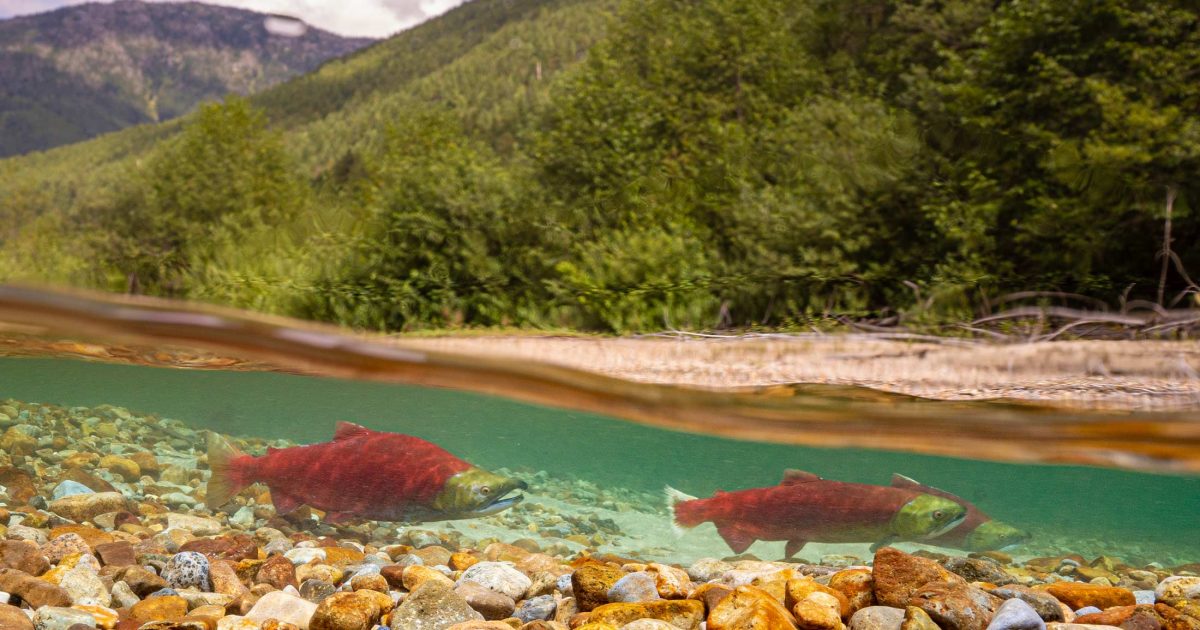
- Zoning that bolsters functioning watersheds and riparian habitat (i.e.protect natural features, limit impervious surfaces, reduce urban sprawl, adopt nature-based solutions).
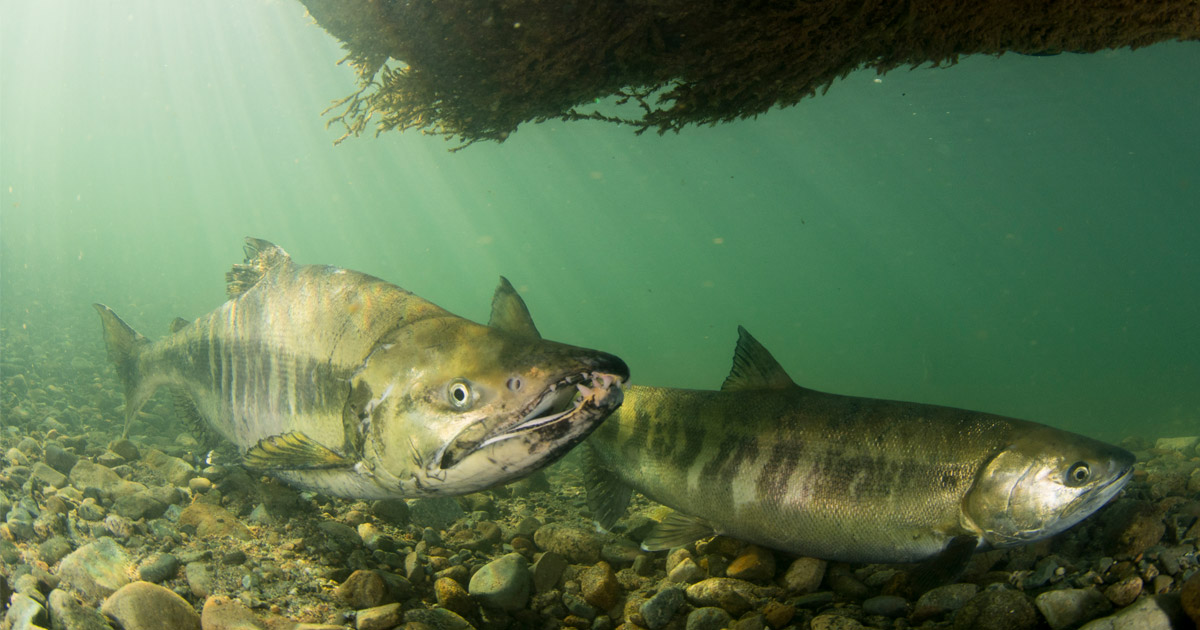
- Forestry policy that prioritizes salmon health by restricting clear-cutting in salmon watersheds, and incentivizes a sustainable, second or third-growth forest economy.
- Climate adaptation policy that incentivizes nature-based solutions including natural shorelines, intact riparian areas, unrestricted floodplains, managed retreat, and use of rain-gardens in urban areas.
Our recent reports
Recent articles

Two weeks left for the Kitlope
We now have just two weeks to raise the remaining $15,000 of the $100,000 deposit we need to secure the purchase agreement for our 5th hunting tenure. This includes the commercial hunting rights in an area of over 5000 sq. km that encompasses the entire Kitlope…

Saving endangered whales: Strategies from above and below the 49th parallel
On May 10, the Canadian federal government announced its first wide-ranging measures to reduce the primary threats compromising survival of the salmon-eating Southern Resident killer whales reliant on the transboundary waters of the Pacific Northwest and British Columbia. Although federally listed as endangered in 2003 in Canada and 2005 in the US, little has happened…

Stories from the Magic Canoe of Wa’xaid
Cecil Paul has told the story of that long journey in–what his granny called–the magic canoe. “Build a canoe and it will be supernatural and no matter how many people will come aboard to help you paddle to save your place of birth, it will never be full.” Raincoast is one of the many organizations who stepped into the magic canoe to support and learn from the traditional knowledge systems of the Xenaksiala…

A picture is worth 1000 words, but not at any price
As critical as these images are, we are committed to using only images that are ethically obtained. These considerations are informed by our own conservation ethics and what we learn along the way. The points below are those from a code of conduct, given to us by Brad Hill and available in full on Brad’s website…

Salish Sea Emerging Stewards celebration
We recently closed our third season of Raincoast’s Salish Sea Emerging Stewards program with a new addition to the program – an event to connect, reflect and celebrate our precious coastline. People of all ages and backgrounds joined in the festivities as graduates of the 2018 season had the opportunity to take the stage and share their experiences and perspectives from the program…

Approval of Trans Mountain expansion puts Fraser River salmon and Salish Sea estuaries at risk
The Fraser River in British Columbia remains one of the world’s most productive salmon rivers. Equally significant is the Fraser River’s estuary, which serves as vital habitat for fish, bird, and mammal species that are linked across thousands of kilometers of the Northeast Pacific Ocean. All Fraser River populations of salmon…