

Shifting salmon policy
Photo by Alex Harris.
Ecosystems are complex. They are communities of living organisms connected through interacting processes and features on the land, in water, and between the two. Yet BC’s antiquated environmental policy doesn’t reflect this. Colonial society governs ecosystems by siloing them into distinct ministries and resources instead of reflecting the interconnected nature of habitats that make them function in the living world. This “siloed decision making”is the root cause of many of the ecological challenges we face today.


Our policy goals
1. Manage fisheries for ecosystems
- Set salmon harvest at levels that optimize the benefits of spawning salmon to watersheds and wildlife.
- Shift away from historic management paradigms that minimize the number of spawning salmon reaching rivers and maximize harvest (called Maximum Sustainable Yield). Move towards fisheries management that meets salmon spawning targets that are ecologically based, not harvest-based.
- Shift harvest toward selective terminal fisheries (conducted in or near the rivers of origin) that respect the ‘place-based’ nature of salmon, and optimize the benefits to ecosystems, Indigenous cultures, and local communities.
2. Implement ecological-based governance
- Conservation planning and a commitment to sustainability that looks 7 generations ahead.
- A “whole-of-government” approach that implements shared solutions by Indigenous, federal, provincial, and municipal governments to achieve salmon recovery from inland watersheds and rivers, to the open ocean.
- Governance that honours Aboriginal rights and title, inherent Indigenous jurisdiction and law, and the United Nations Declaration on the Rights of Indigenous Peoples (UNDRIP) and the Declaration on the Rights of Indigenous Peoples Act (DRIPA).
- Sustainable funding strategies for watershed-scale restoration and planning.


3. Advance land-use policies that prioritize the health of wild salmon and biodiversity
- Zoning that bolsters functioning watersheds and riparian habitat (i.e.protect natural features, limit impervious surfaces, reduce urban sprawl, adopt nature-based solutions).
- Forestry policy that prioritizes salmon health by restricting clear-cutting in salmon watersheds, and incentivizes a sustainable, second or third-growth forest economy.
- Climate adaptation policy that incentivizes nature-based solutions including natural shorelines, intact riparian areas, unrestricted floodplains, managed retreat, and use of rain-gardens in urban areas.
Our recent reports
Recent articles
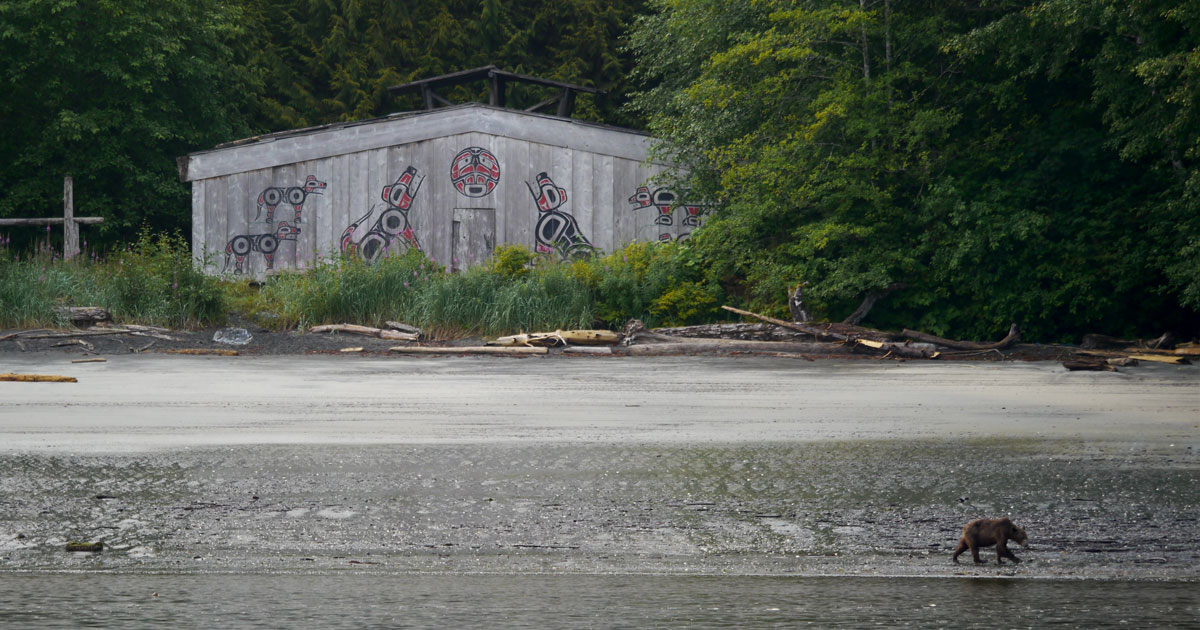
The best summer camp on earth?
Our research and outreach vessel, Achiever, just returned from one of the most inspiring trips of the year. Let me explain why…

One night only – Patagonia’s Artifishal screening at the University of Victoria
Join us on Tuesday, August 27, at 7:00 pm for a film screening of Patagonia’s documentary, Artifishal, at the University of Victoria’s Cinecenta theatre located in the Student Union Building. Artifishal examines the harmful effects hatcheries…

Increasing salmon hatcheries could do more harm than good for Chinook and Southern Resident killer whales
Hatcheries have failed to protect or restore the old ages, big sizes, range of migration times and diversity of wild Chinook salmon. For Southern Residents to recover, the age structure and run timing of wild Chinook runs, along with abundance, need to be restored. This is not the objective of hatcheries…
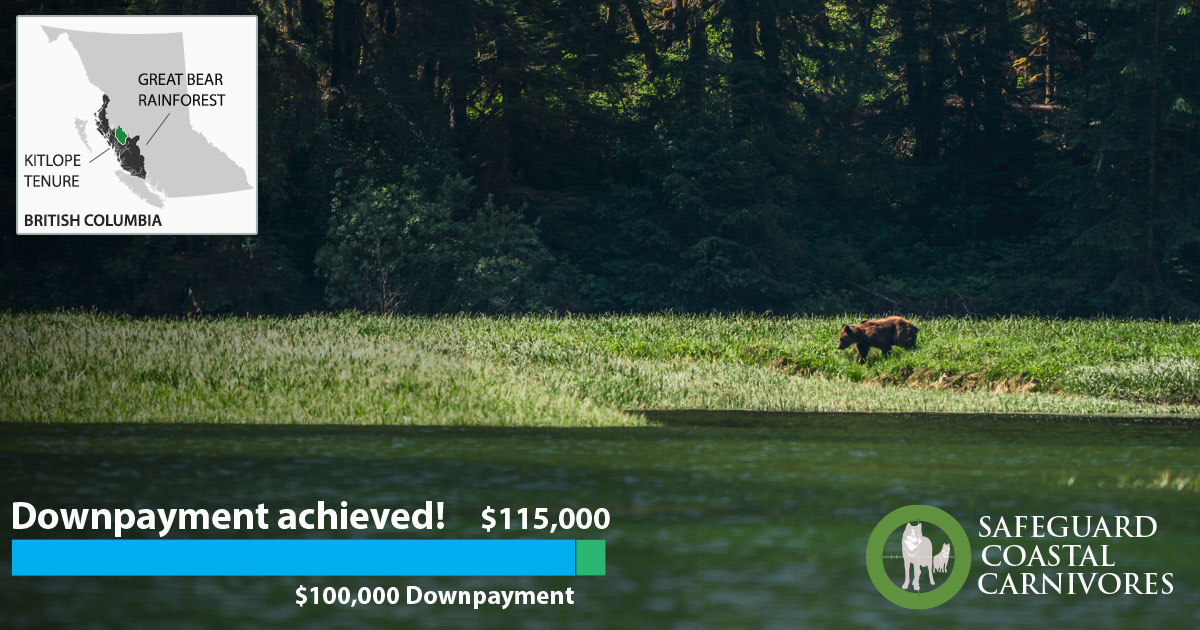
Success! We now have the downpayment for the Kitlope tenure
At this point it’s worth pausing to reflect on what we’ve already accomplished. With your support, and working with Coastal First Nations, thus far we have acquired the commercial trophy hunting rights in approximately 33,500 square kilometers. For perspective, that’s an area bigger than Vancouver Island…

In search of the Lower Fraser’s lost streams
There is currently renewed interest in locating historical streams that have long been paved over and lost in Vancouver and the Lower Mainland. Mapping these historical landscape features offers a connection to the land that has been lost through urbanization and highlights opportunities for restoration…

Interview: Why our latest court challenge to the re-approval of the Trans Mountain pipeline is critical for the Salish Sea
The Southern Resident killer whales are a small declining population. The increase in tanker traffic associated with the Trans Mountain expansion will have a significant adverse effect on these killer whales in the Salish Sea…