Plastic pollution

Photo by April Benze.

Plastic pollution is choking our waterways and threatening the health of fish and wildlife. We are collecting plastic and microplastic data as part of our community-oriented water pollution monitoring program. We are collaborating on research projects with universities, governments and experts in the field. We are providing advice to local, regional and federal governments on plastic science, policies, and regulations. We are working with Ocean Diagnostics to support a strong science-based foundation for solutions.


Lots of garbage on a beach.
Photo by Simon Ager.
People working together to take samples of water in jars.
Photo by Alex Harris / Raincoast Conservation Foundation.

Our approach

  • Design a source identification toolbox for plastic pollution; 
  • Working with Indigenous and coastal communities to document plastic pollution and track this back to its source;
  • Conduct research on the source, transport and fate of micro and macroplastics in the environment;
  • Engage in outside-the-box dialogue with industry and governments to support more sustainable design, manufacturing and processes that stem the release of plastics during the life cycle of a product;
  • Support community-oriented outreach and training to support solution-oriented actions and capacity building.

Plastics are everywhere

Plastics from just about every sector can now be found all over the world – from mountain tops to the seafloor, from the Arctic to the Antarctic, and from our homes to the ocean. A modern-day scourge that is blighting remote beaches and shorelines, getting mistaken for food by wildlife, and getting into the foods that nourish us. Whether it’s the structural features of plastic products that suffocate, entangle, or create intestinal blockages – or the endocrine disrupting-contaminants that serve as ingredients of the product (e.g. Bisphenol A or phthalate esters) or as hitchhikers soaked up by plastics in the environment (e.g. PCBs or metals) – plastics are harmful.

Underwater photo of plastic floating near the top of the water.
Chinook salmon swim in a river as seen from head on; epic.
Photo by Fernando Lessa.

The impact on the environment

Without a dramatic re-think, the plastic crisis is here to stay. Despite the best intentions of governments, industry, and consumers to reduce, recycle or re-use, global plastic production continues to enjoy exponential growth. And the unintentional loss to the environment of plastic products and byproducts will continue – plastic bags, bottles, and fishing gear, as well as the discharge of microplastics through domestic and industrial waste. With that will come a constant stream of items that will be mistaken for food but offer zero nutrition, that will entangle wildlife, and will deliver endocrine disruptors to our aquatic food webs. We will document impacts, share findings, and work for change through science, community engagement, and expert advice.

Recent articles

A man pointing to a device on a tree.

How much is a grizzly bear’s life worth?

As the field season draws to a close, I finally have the time to reflect on some of our experiences. As it appears, somebody else is doing some reflection. We are pulling some of our remote cameras and inspecting the images of bears at our non-invasive hair-snagging stations.
An oil rig is on fire in the ocean.

Hands Across the Sand

Hands Across the Sand is a movement made of people of all walks of life and crosses political affiliations. This movement is not about politics; it is about protection of our coastal economies, oceans, marine wildlife, and fishing industry. Let us share our knowledge, energies and passion for protecting all of the above from the…
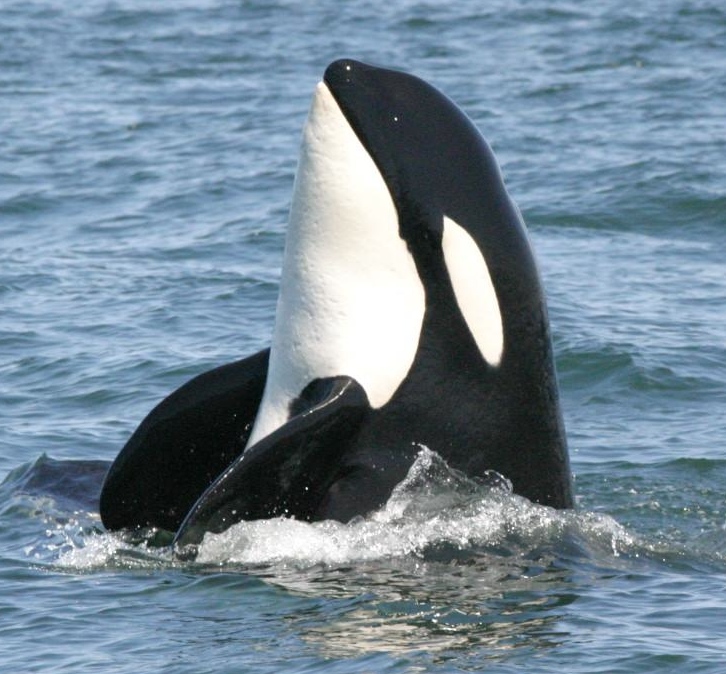
A killer whale spy hopping

Feds sued over lack of protection for killer whales

The trial to protect BC’s resident killer whales and their critical habitat began Tuesday June 15, 2010 in the federal courthouse in Vancouver, BC.  Ecojustice is representing Raincoast and eight other conservation groups.  The following links will give you more information about the story and the case. The halls of Justice: Day 1 (Blog) BCs…
Two orca whales swimming in the water.

The Halls of Justice: Day 1

The ancient Goddess of Justice, Themis, stands with her scales; an avenger in her earliest portrayals, but evolved to wear a blindfold in more recent times to represent the principles of modern law. For me, today’s goddess of justice is standing in the middle of a federal courtroom in downtown Vancouver, conveying the facts and…
A group of people running in a marathon.

Victoria Marathon pledge program celebrates five years

Victoria News By Travis Paterson The run for $250,000 is on. Last week, the team behind the GoodLife Fitness Victoria Marathon announced a total of 18 charities have been selected to the event’s 2010 Charity Pledge Program (CPP). That’s already seven more charities than last year, said GFVM general manager Cathy Noel. “We have so…
A group of orca whales swimming in the ocean.

BC’s killer whales get their day in court

The Georgia Straight  – Commentary By Misty MacDuffee and Chris Genovali As British Columbia’s southern resident killer whales return to local waters, many scientists and citizens are growing increasingly concerned for their future. Even with new arrivals in local pods, the population still needs to show clear signs of recovery.
An orca whale is swimming in the ocean.

Feds sued over failure to protect killer whales

Case could determine future of Canada’s at-risk species MEDIA RELEASE  June 15, 2010 VANCOUVER – Conservation groups, represented by Ecojustice, are back in Federal Court today after launching a lawsuit against Canada’s Department of Fisheries and Oceans (DFO) over the protection of B.C.’s resident killer whales. If successful, the case will ensure stronger legal protection…
A killer whale spy hopping

Canada’s killer whales get their day in court

Guest Commentary Misty MacDuffee and Chris Genovali for BUZZFLASH As British Columbia’s southern-resident killer whales are welcomed back to local waters, many scientists and citizens are growing increasing concerned for their future. Even with new arrivals to our local pods, the population still needs to show clear signs of recovery. One action we hope will…