Plastic pollution

Photo by April Benze.

Plastic pollution is choking our waterways and threatening the health of fish and wildlife. We are collecting plastic and microplastic data as part of our community-oriented water pollution monitoring program. We are collaborating on research projects with universities, governments and experts in the field. We are providing advice to local, regional and federal governments on plastic science, policies, and regulations. We are working with Ocean Diagnostics to support a strong science-based foundation for solutions.


Lots of garbage on a beach.
Photo by Simon Ager.
People working together to take samples of water in jars.
Photo by Alex Harris / Raincoast Conservation Foundation.

Our approach

  • Design a source identification toolbox for plastic pollution; 
  • Working with Indigenous and coastal communities to document plastic pollution and track this back to its source;
  • Conduct research on the source, transport and fate of micro and macroplastics in the environment;
  • Engage in outside-the-box dialogue with industry and governments to support more sustainable design, manufacturing and processes that stem the release of plastics during the life cycle of a product;
  • Support community-oriented outreach and training to support solution-oriented actions and capacity building.

Plastics are everywhere

Plastics from just about every sector can now be found all over the world – from mountain tops to the seafloor, from the Arctic to the Antarctic, and from our homes to the ocean. A modern-day scourge that is blighting remote beaches and shorelines, getting mistaken for food by wildlife, and getting into the foods that nourish us. Whether it’s the structural features of plastic products that suffocate, entangle, or create intestinal blockages – or the endocrine disrupting-contaminants that serve as ingredients of the product (e.g. Bisphenol A or phthalate esters) or as hitchhikers soaked up by plastics in the environment (e.g. PCBs or metals) – plastics are harmful.

Underwater photo of plastic floating near the top of the water.
Chinook salmon swim in a river as seen from head on; epic.
Photo by Fernando Lessa.

The impact on the environment

Without a dramatic re-think, the plastic crisis is here to stay. Despite the best intentions of governments, industry, and consumers to reduce, recycle or re-use, global plastic production continues to enjoy exponential growth. And the unintentional loss to the environment of plastic products and byproducts will continue – plastic bags, bottles, and fishing gear, as well as the discharge of microplastics through domestic and industrial waste. With that will come a constant stream of items that will be mistaken for food but offer zero nutrition, that will entangle wildlife, and will deliver endocrine disruptors to our aquatic food webs. We will document impacts, share findings, and work for change through science, community engagement, and expert advice.

Recent articles

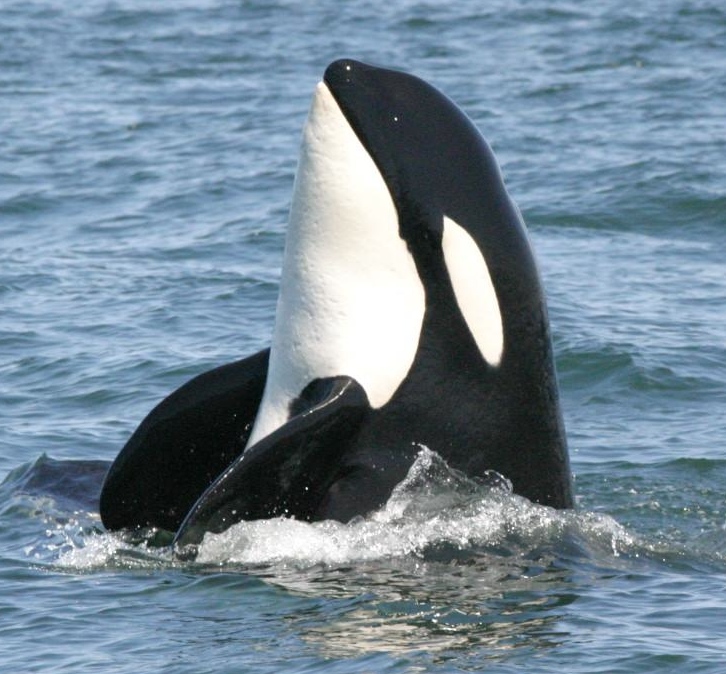
An orca whale is swimming in the ocean.

Environmentalists in court to extend protection for killer whales‎

By Judith Lavoie, Victoria Times Colonist VICTORIA – Environmental groups will be in court this week arguing the federal government is failing to adequately protect critical habitat for endangered and threatened pods of killer whales. Ecojustice lawyer Margot Venton is asking the Federal Court of Canada for a judicial review, claiming the government is acting…
A killer whale spy hopping

Law suit begins for protection of resident killer whales
Murray Langdon interviews Raincoast’s Misty MacDuffee about the federal government’s failure to protect the critical habitat of BC’s resident killer and the upcoming court case.
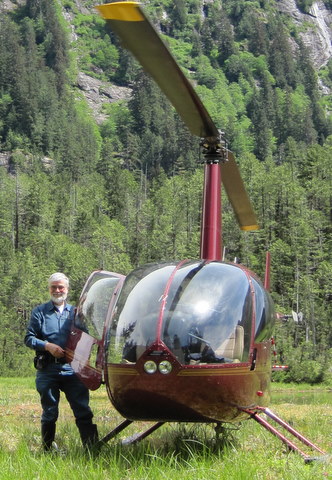
Don Arney with Gizmo

Days with Don

The field crew has just ended the final round of helicopter sites.  I stayed on terra firma for this round, and as such the past few days have taken on a more relaxed pace.  With my feet firmly on the ground and with time to reflect on the weeks gone by my head has been…
A man smiling on the deck of a boat.

Now protect grizzly habitat

Letter to the Editor, Edmonton Journal Re: Grizzlies at risk: province; Dwindling bears given threatened status,  The Journal, June 4. Sustainable Resource Development Minister Mel Knight should be commended for finally listing the province’s grizzly bears as a threatened species and for keeping the trophy hunting ban in place. However, he falls critically short by…
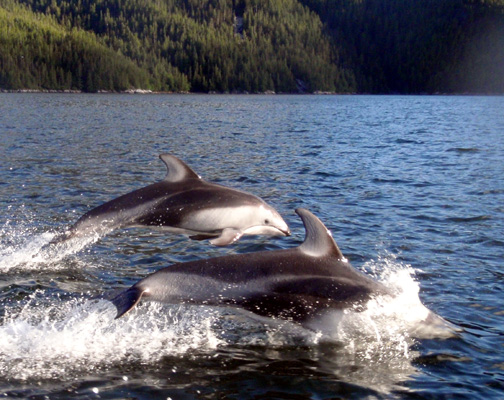
Two dolphins jumping out of the water in front of a forest.

The morning commute

Ever been thrilled with lots of traffic during your morning commute?  We were yesterday. Heading up a nearby channel to hit our bear hair-snagging stations, we encountered a herd of about 75 Pacific White Sided Dolphins. We maintained our course and speed and they chose to come play with us.
A man holding a piece of hair on a barbed wire fence.

Hair Extravaganza

We approach the site in silence, hoping to find evidence of an ursid visitor. Crouching close to the ground, we examine each barb along the 25 m of fencing we set up. Having set up 71 of these barbed wire hair snagging stations across 5000 square kilometers, our work now consists of returning to each…
Juvenile sockeye infected with sea lice as they migrate past fish farms in the Discovery Islands

Fish farms make louse-y migration routes
Fraser River sockeye returned in record low numbers last fall, one percent of what they were a century ago
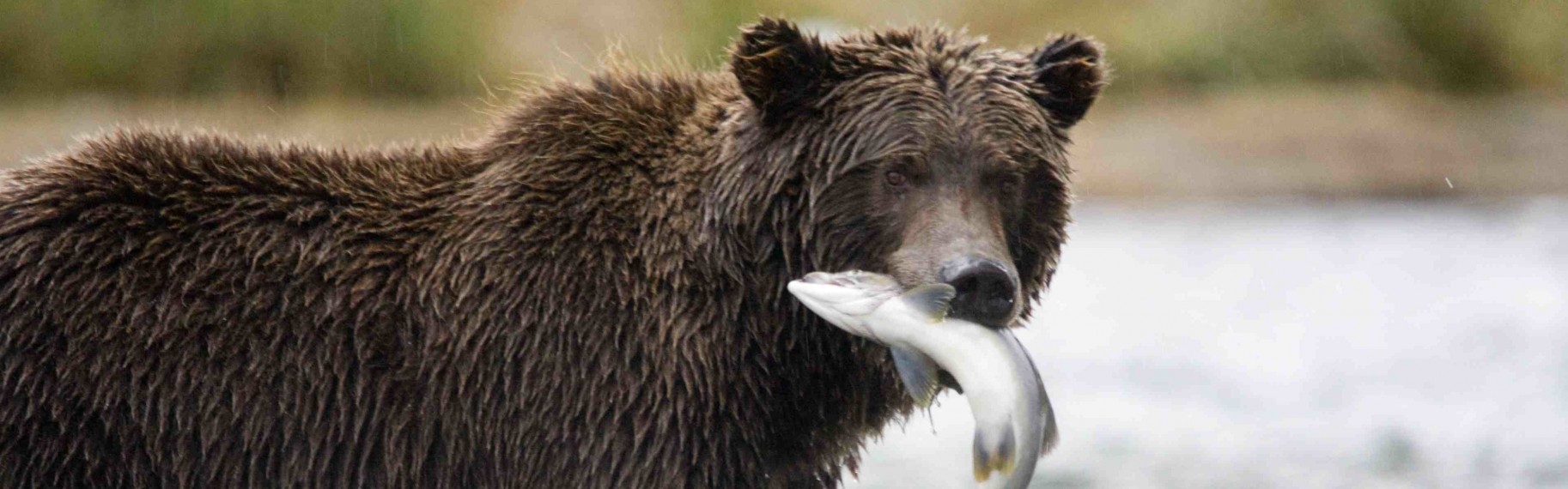
A brown bear with a fish in its mouth.

Salmon for wildlife

Elected officials need to hear public support for allocating  salmon to bears. The federal Minister of Fisheries and Oceans makes decisions every day that effect the allocation of salmon to various interests.  Until very recently, wildlife were never mentioned in the decision-making process.   Now, a policy exists that states the ecosystem, specifically bears and other…