Plastic pollution

Photo by April Benze.

Plastic pollution is choking our waterways and threatening the health of fish and wildlife. We are collecting plastic and microplastic data as part of our community-oriented water pollution monitoring program. We are collaborating on research projects with universities, governments and experts in the field. We are providing advice to local, regional and federal governments on plastic science, policies, and regulations. We are working with Ocean Diagnostics to support a strong science-based foundation for solutions.


Lots of garbage on a beach.
Photo by Simon Ager.
People working together to take samples of water in jars.
Photo by Alex Harris / Raincoast Conservation Foundation.

Our approach

  • Design a source identification toolbox for plastic pollution; 
  • Working with Indigenous and coastal communities to document plastic pollution and track this back to its source;
  • Conduct research on the source, transport and fate of micro and macroplastics in the environment;
  • Engage in outside-the-box dialogue with industry and governments to support more sustainable design, manufacturing and processes that stem the release of plastics during the life cycle of a product;
  • Support community-oriented outreach and training to support solution-oriented actions and capacity building.

Plastics are everywhere

Plastics from just about every sector can now be found all over the world – from mountain tops to the seafloor, from the Arctic to the Antarctic, and from our homes to the ocean. A modern-day scourge that is blighting remote beaches and shorelines, getting mistaken for food by wildlife, and getting into the foods that nourish us. Whether it’s the structural features of plastic products that suffocate, entangle, or create intestinal blockages – or the endocrine disrupting-contaminants that serve as ingredients of the product (e.g. Bisphenol A or phthalate esters) or as hitchhikers soaked up by plastics in the environment (e.g. PCBs or metals) – plastics are harmful.

Underwater photo of plastic floating near the top of the water.
Chinook salmon swim in a river as seen from head on; epic.
Photo by Fernando Lessa.

The impact on the environment

Without a dramatic re-think, the plastic crisis is here to stay. Despite the best intentions of governments, industry, and consumers to reduce, recycle or re-use, global plastic production continues to enjoy exponential growth. And the unintentional loss to the environment of plastic products and byproducts will continue – plastic bags, bottles, and fishing gear, as well as the discharge of microplastics through domestic and industrial waste. With that will come a constant stream of items that will be mistaken for food but offer zero nutrition, that will entangle wildlife, and will deliver endocrine disruptors to our aquatic food webs. We will document impacts, share findings, and work for change through science, community engagement, and expert advice.

Recent articles
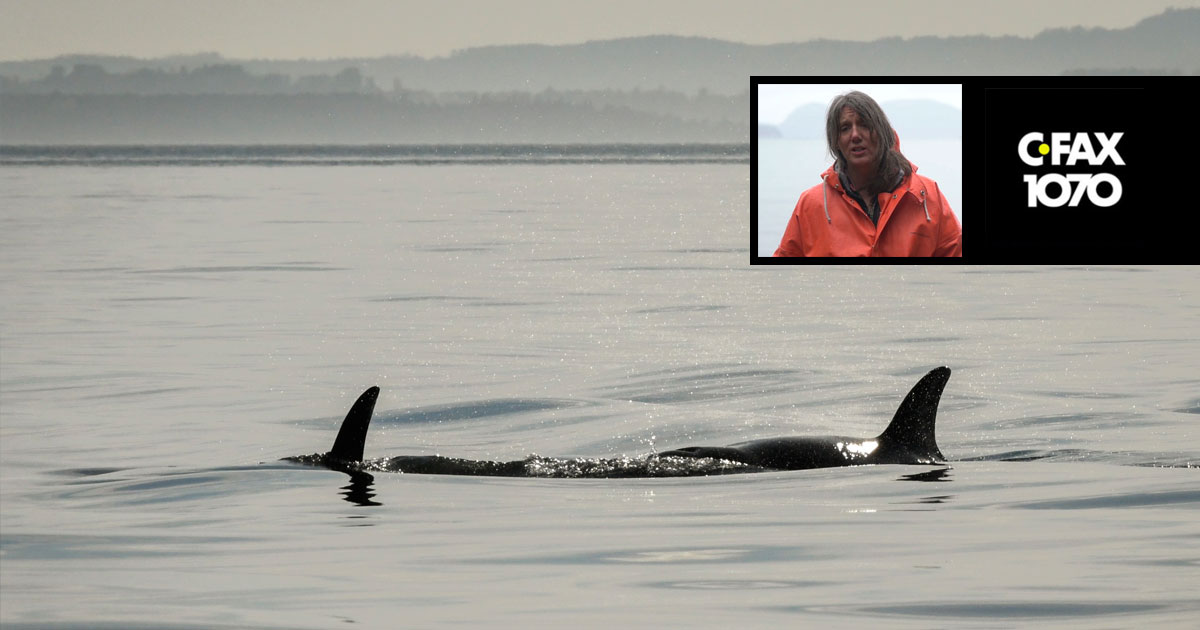
Southern Resident killer whales J50 with her sister, J42, in July of 2018, swim by in the Salish Sea.

Misty MacDuffee joins Adam Stirling on CFAX 1070 to discuss Washington State’s billion dollar plan to aid killer whale recovery

Misty MacDuffee and Adam Stirling discuss the benefits and the shortcomings of Washington’s investment, the problem with dams, aid to Chinook hatcheries and new hatchery production. They discuss the genetic and ecological implications from hatcheries and why MacDuffee believes this makes them a poor investment for salmon recovery and Southern Resident killer whales.    …
The Achiever rests at night on the BC Coast: Tracking Raincoast into 2019.

Tracking Raincoast into 2019

Raincoast science is contributing to a large and growing body of evidence that shows the current levels of Chinook abundance, ocean noise, vessel disturbance, and pollution, create conditions that make population recovery for the Southern Residents untenable…
A wolf sits in the intertidal zone and stares out: Safeguard Coastal Carnivores.

We did it! Fundraising for the Nadeea tenure is complete

With online donations, cheques arriving in the mail, and match funding in place, we can now confirm that we’ve finally met our fundraising goal of $500,000! In the coming weeks we will formally complete our purchase of the Nadeea hunting tenure…
A Southern Resident killer whales, J50, glides through the water in the Salish Sea.

Chinook salmon, 74 killer whales, and the future of the Salish Sea

2018 closes with just 74 Southern Resident killer whales remaining in the world. You’ve been with us through a year of huge wins and some heartbreaking losses and it’s worth a recap as we close the year and prepare for 2019. January – With 76 Southern Residents remaining, Raincoast and partners petition the government to…
Ilona Mihalik stands in front of an epic Grizzly bear photo as part of the One Shot for Coastal Carnivores exhibit.

Friday is the last day to make a bid in our online auction
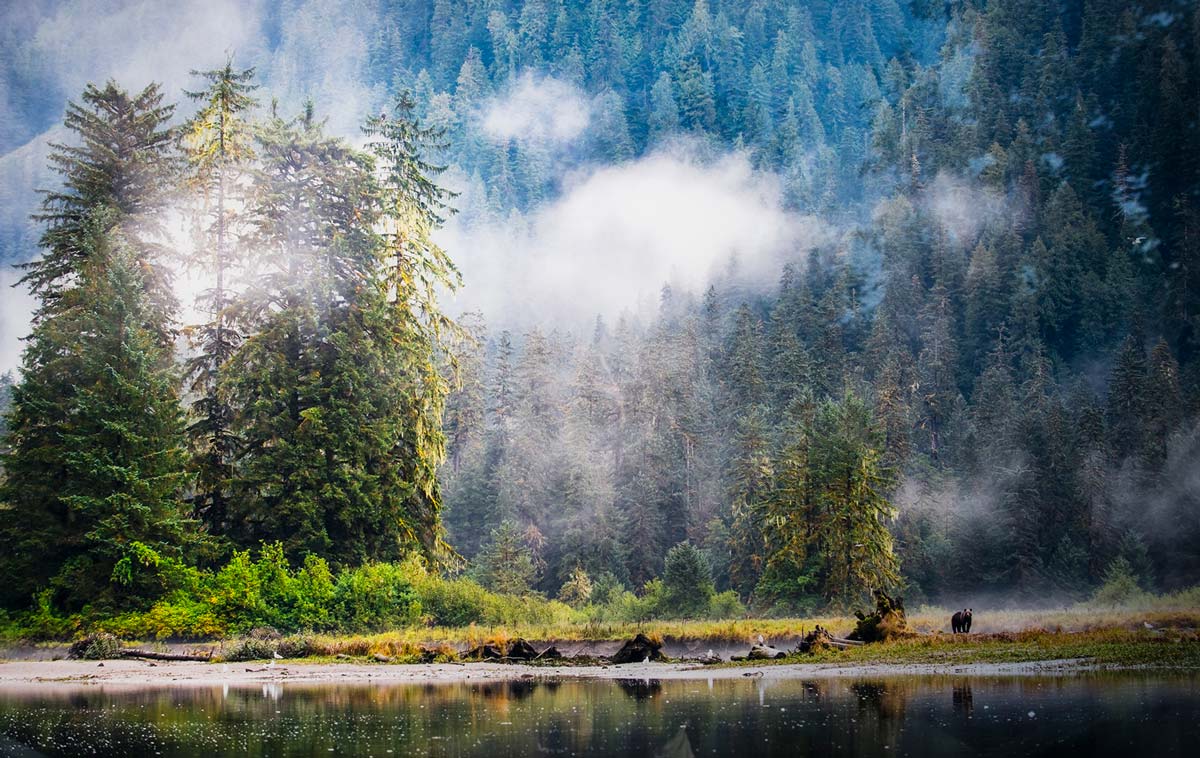
You can still support the campaign and keep a memento through the purchase of a limited edition print and you have until Friday at 6pm to make your bid…
A Grizzly bear rests on the shores of the Great Bear Rainforest.

On the brink of campaign success – New $50,000 match funding

From community events to marathon runners, grizzly bath bombs to grizzly bars, so many people have stepped up to support our efforts in partnership with Coastal First Nations. Each dollar you donate will now be doubled. Help us make 2018 a year to remember…
Gio runs on the treadmill with a CO2 mask testing his oxygen uptake.

Maxing out to protect coastal carnivores

Hello again! If you read my first post from back in July, you’ll remember that I planned to run the length of the Island from Port Hardy to Victoria that summer. Due to several reasons, such as various injuries and a few issues regarding travel, I was not able to start my run as planned….
Two orca whales swimming in the ocean.

Southern Resident killer whales are on the precipice

The federal government recently announced its refusal to issue an emergency order, despite the Minister of Environment and Climate Change and the Minister of Fisheries and Oceans’ recommendation to do so. Although we commend the ministers for recommending an emergency order be used, we are deeply disappointed that Cabinet rejected what we believe to be the best available tool to recover these whales…