

S,DÁYES Flycatcher Forest
S,DÁYES Flycatcher Forest is a 13 acre conservation property located on S,DÁYES (Pender Island) , WSÁNEĆ Territory.
Photo by Alex Harris /
Raincoast Conservation Foundation.
The campaign to protect S,DÁYES Flycatcher Forest
In November 2020, Raincoast partnered with the Pender Islands Conservancy to co-purchase a conservation property on S,DÁYES. Despite planning for a six-month fundraising campaign, we secured the required purchase amount in less than three months.
Behind the name: S,DÁYES Flycatcher Forest
Globally, bird populations are in significant decline.1 2 Olive-sided Flycatchers are among the bird species federally listed as threatened, predominantly due to habitat loss. These birds, in particular, find their homes in the fringes of forests bordering wetlands, and these interface ecosystems on the Gulf Islands are among the few places these birds are thriving. As a species linking forests and wetlands, the Flycatcher was chosen as the land’s namesake.
Though the Flycatcher was chosen to symbolize the importance of preserving intact habitat, the placename, S,DÁYES, recognizes the WSÁNEĆ people who have known Pender Islands as home since time immemorial. In SENĆOŦEN, S,DÁYES means “wind drying,” which refers to drying salmon.3 This was the name given to what is now widely known as North Pender Island prior to settler arrival in the area.
About the land
S,DÁYES Flycatcher Forest is populated by an assemblage of ecosystems characteristic to the Coastal Douglas-fir zone. It is part of the Shingle Creek wildlife corridor, which also includes land protected within Parks Canada’s Gulf Islands National Park Reserve. The forest shows a legacy of logging, as most forests across the Gulf Islands do, with large fir stumps standing as evidence of the mature forest that once occupied this regenerating system.
Today, maturing Western redcedar and coastal Douglas-fir trees dominate the forest’s canopy, while stands of peeling arbutus occupy the higher elevation slopes at the property’s edges. A forested swamp, now colloquially known as Muskrat Pond, at the north-western corner of the property supports populations of riparian plant species including oceanspray, bigleaf maple, and red alder. Over 50 bird, 4 bat, and a number of amphibian species, including iconic Pacific chorus frogs, call S,DÁYES Flycatcher Forest home.
The future
S,DÁYES Flycatcher Forest is the first property purchased by Raincoast with the intention of healing the land and securing its long-term protection with a conservation covenant. Raincoast is working with our property co-owners, the Pender Islands Conservancy, to develop a management and restoration plan for the land. Once a management plan is established, we will register a covenant on the land title. Active restoration and education projects are often underway at S,DÁYES Flycatcher Forest, which to date have included native species planting, removing invasive species (particularly Daphne laurel), and creating a native plant meadow.
This campaign was made possible due to the support of many individuals and organizations, including:
- Greater Victoria Savings Credit Union
- Sitka Foundation
- McLean Foundation
- Pollinator Partnership
- Habitat Conservation Trust Fund
Sponsors & supporters



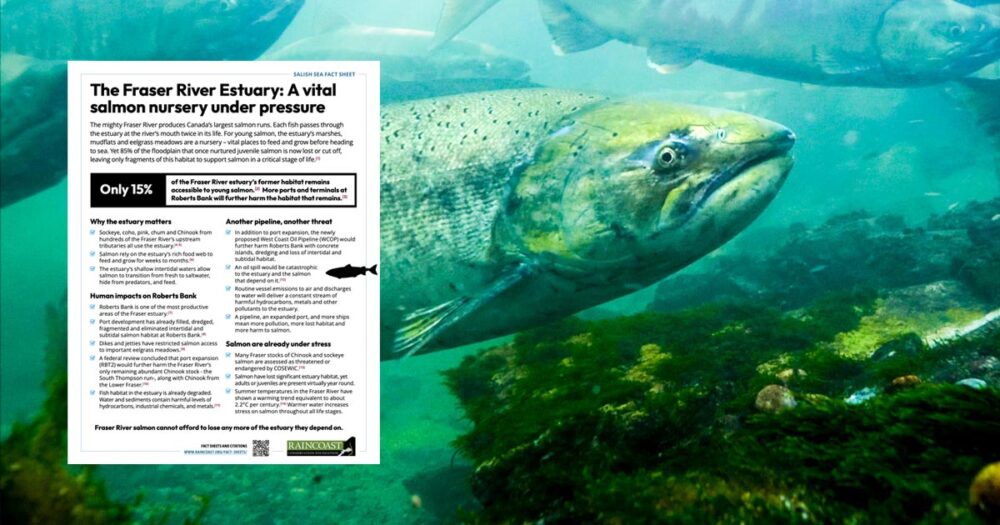
The Fraser River Estuary: A vital salmon nursery under pressure
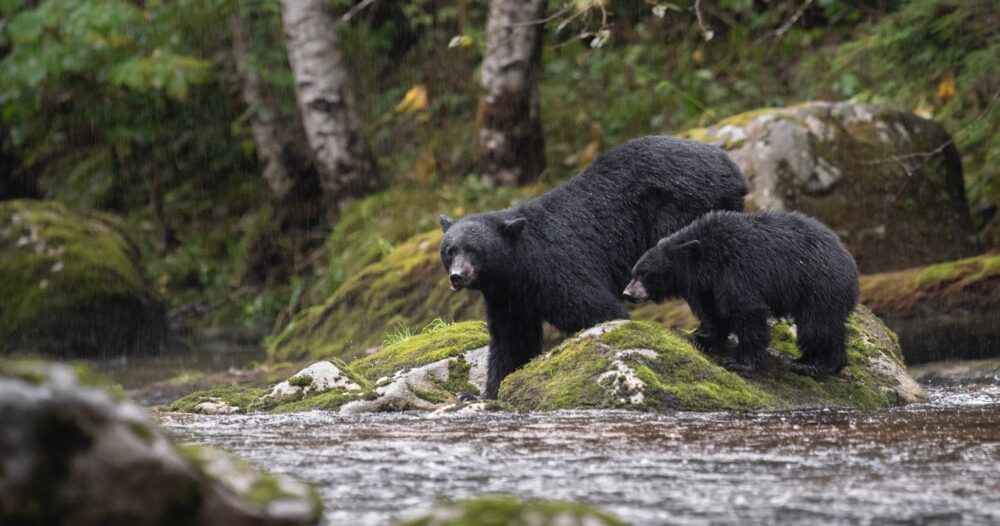
Letter in Science challenges Alberta’s ill-advised black bear hunting policy
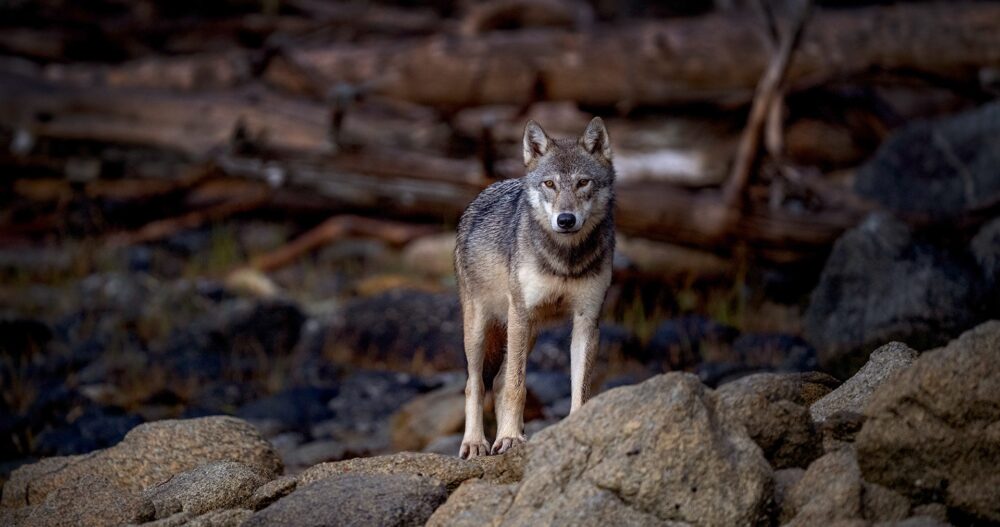
Through the lens: Celebrating the coastal grey wolf and Canada Post’s wolf stamp
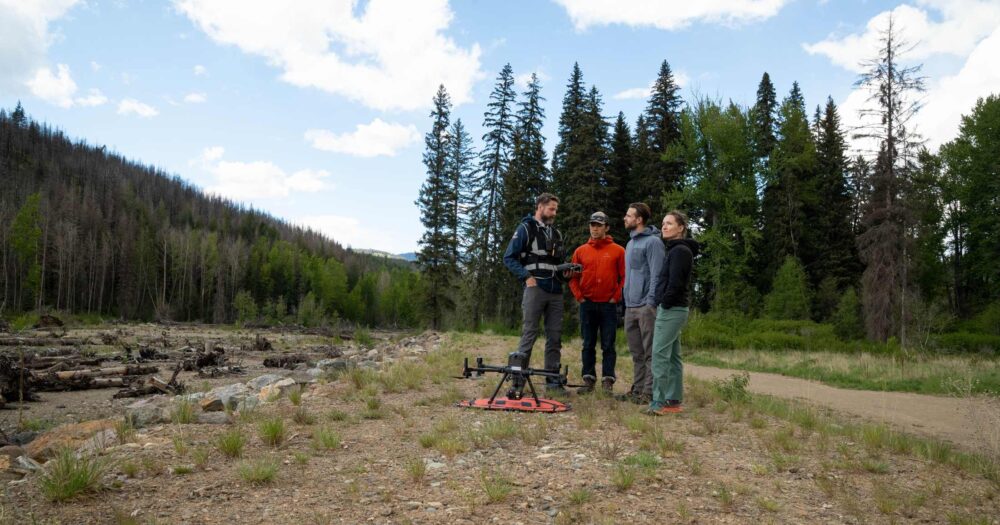
Equip the mission
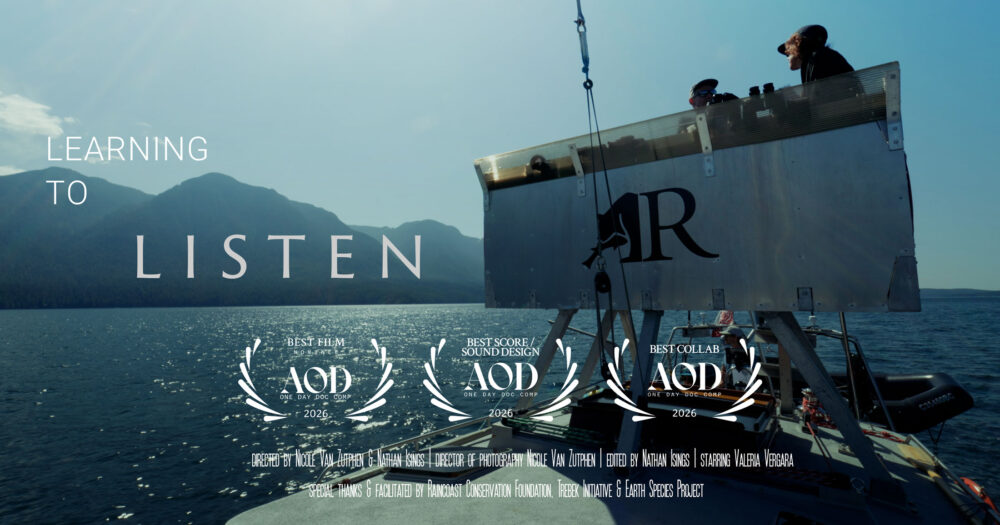
New short film showcases Raincoast scientists’ work investigating killer whale communication
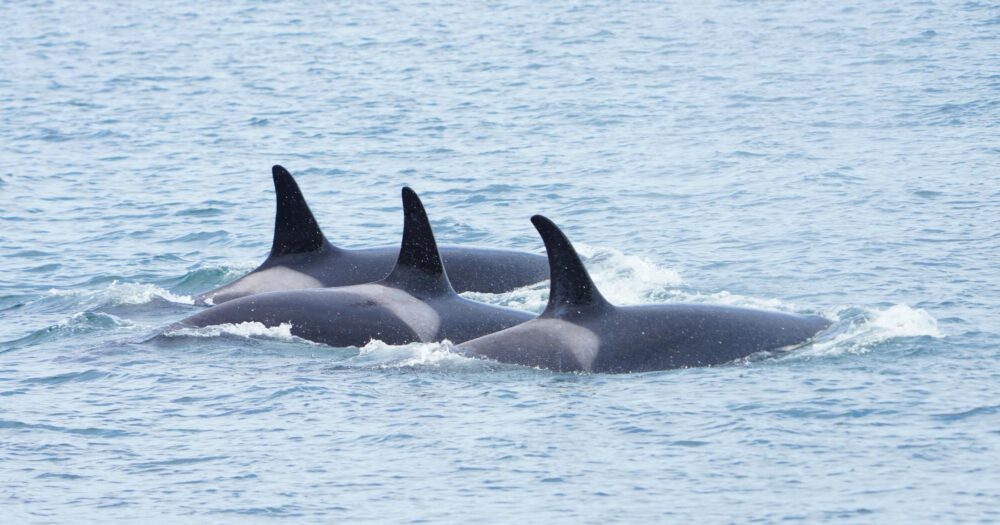
Why Canada must not fast-track an oil pipeline into the Fraser River Estuary
Meet the non-salmonids of Roberts Bank eelgrass habitat

A wolf’s connection to salmon
Notes and references
- BirdLife. (2022). State of the world’s birds 2022: Insights and solutions for the biodiversity crisis. https://www.birdlife.org/papers-reports/state-of-the-worlds-birds-2022/
- Rosenberg, K.V et. al (2019). Decline of the North American avifauna. Science, 366. 120–124. https://www.birds.cornell.edu/home/bring-birds-back/
- Elliot, D. (1990). Saltwater people: As told by Dave Elliot Sr. School District 63 (Saanich): Victoria, BC.