
Governance and financials
Raincoast Conservation Foundation is a Canadian registered charity (#889643565 RR0001). We also have 501c3 status in the United States ( #912115603), and receive support from all over the world.
Our commitment to maximizing your support
Since its establishment in the 1990s, Raincoast has been working to safeguard the lands, waters, and wildlife of coastal British Columbia. Throughout this time, we have kept our administration costs minimal at approximately 10%. We have always worked to ensure that the large majority of financial contributions go towards scientific research and conservation efforts to protect wildlife and their habitats.
Raincoast operates from grants and individual donations, including online donations, cheques, stock donations, as well as legacy and life insurance gifts.
2022 highlights/revenues (source: 2022 audited financial statements)
- 86%1 of Raincoast’s funding came from grants, both from government and private foundations
- 13% came from individual donations
- 1% of in-kind donations
Accountability and transparency
All registered charities are required to fill out a return each year and submit it to the Canada Revenue Agency. You can access our Registered Charity Information Return Form (T3010) online. For further information, please contact our Development Director, Lauren at lauren [at] raincoast [dot] org.
Board of directors


Roles of the Board and the Executive Director
Raincoast Board members supply fiduciary and management oversight by adopting sound governance that will ensure the organization has the adequate resources it needs to advance its mission of safeguarding the lands, waters, and wildlife of coastal British Columbia. Raincoast’s Executive Director, Chris Genovali, oversees the programs, budget, administration, and strategic direction of the organization.
Recent articles
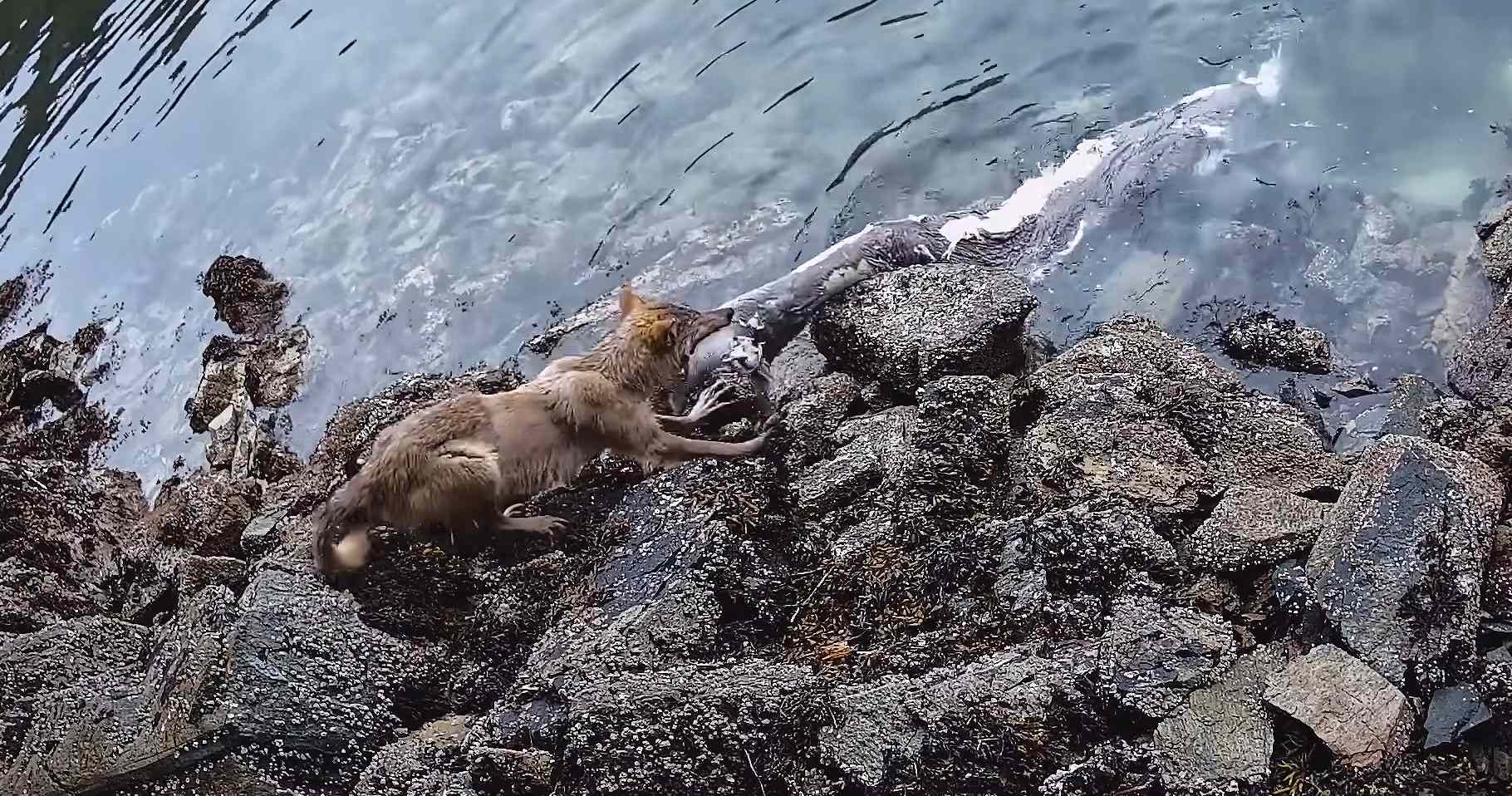
The wild diet of sea wolves
Camera-trap footage offers a rare glimpse into the unique ecology…
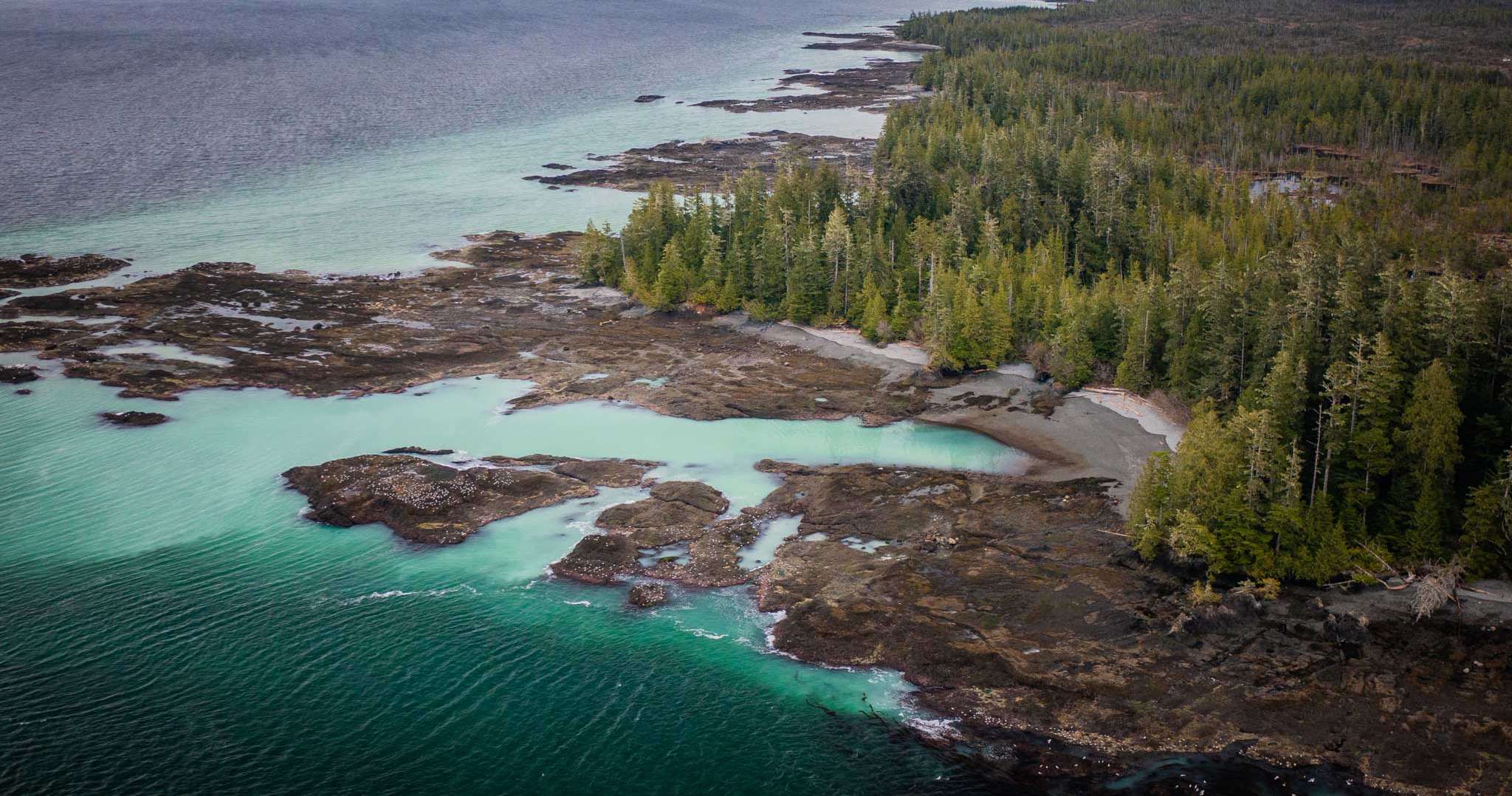
Raincoast scientists summarize decades of literature so you can understand what’s happening on the coast
New fact-sheets make the science clear, with the goal of…
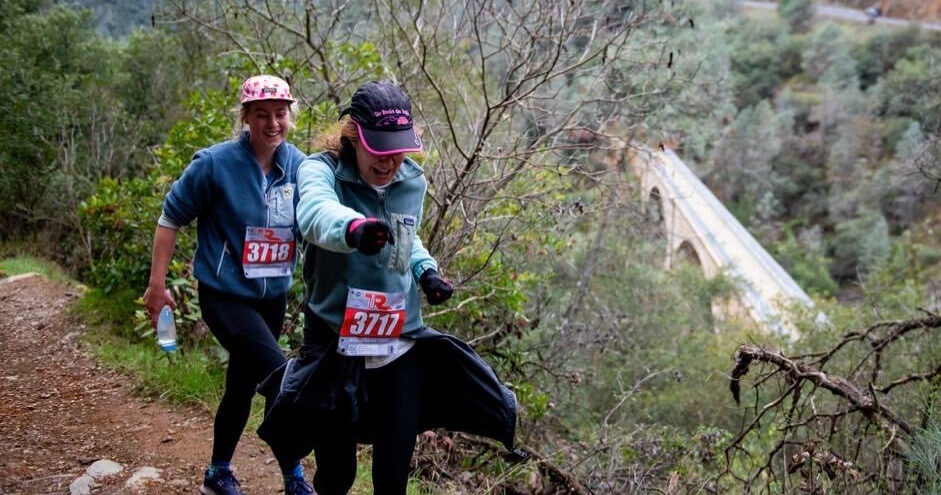
Race for Raincoast! Turning sweat into support
Turn your upcoming physical challenge into a fundraiser to support…

Charitable remainder trusts
Support Raincoast while continuing to receive income.
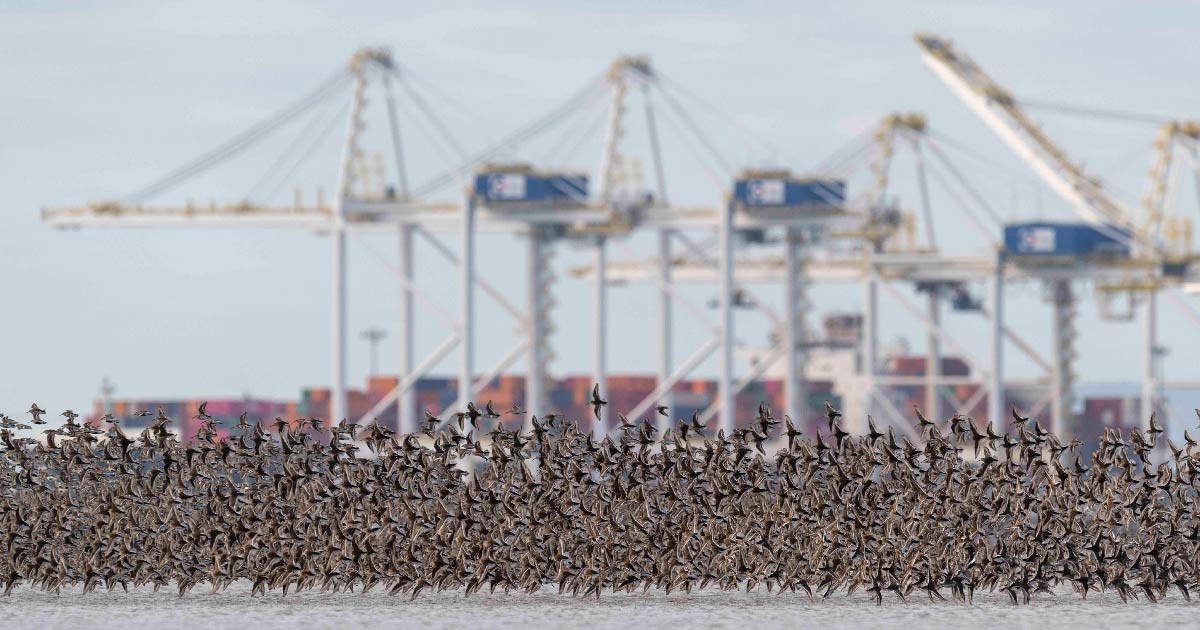
Listing Roberts Bank Terminal 2 as a Project of National Interest
The evidence does not support treating this project as being…
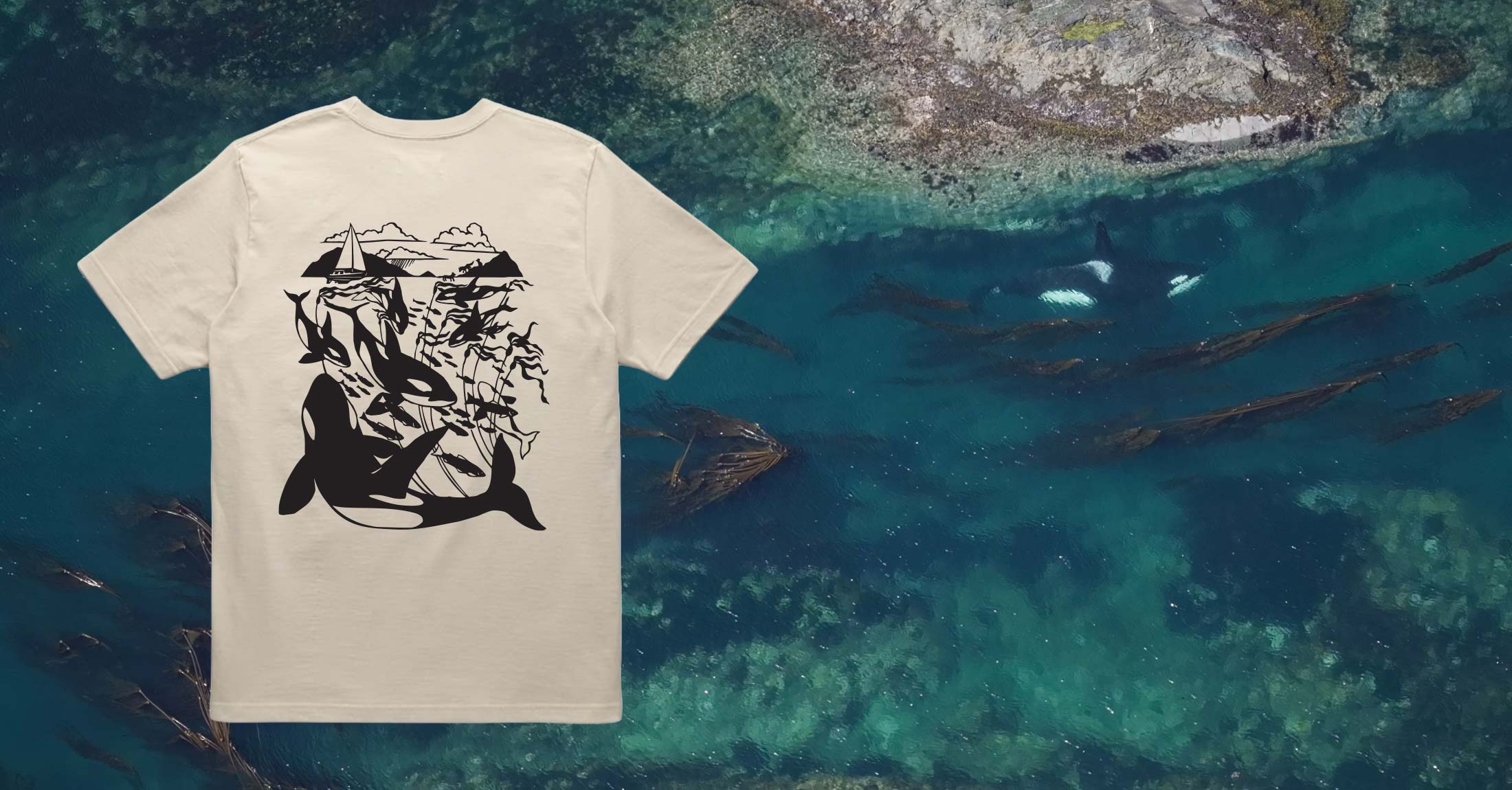
A new tee collaboration inspired by the wild coast: Nikki McClure x Raincoast x Anian
Wear what you stand for.