
Climate change

We use a comprehensive approach to inform actions that benefit salmon ecosystems in a changing climate.

Photo by Fernando Tessa.

Climate change is causing severe hydrological shifts in salmon streams through long-term reductions in snowpack, earlier spring melts, increased frequency of heat waves, atmospheric rivers and flood events, and increased drought frequency. These impacts create conditions unsuitable for wild salmon to recover and thrive.

Juvenile salmon in a fish viewfinder.
Photo by Alex Harris / Raincoast Conservation Foundation.
School of coho in a river.
Photo by Fernando Lessa.

Unsustainable land use is compounding the impacts of climate change

Unsustainable land use occurring throughout the province is making these conditions even worse. Clear-cut logging, mining, and water withdrawal for industry and agriculture alter salmon habitat, reduce streamflow, and increase water temperatures. Stream-type Chinook and coho salmon that spend a year in freshwater before migrating to the ocean are particularly vulnerable to degraded freshwater habitat caused by logged forests, fires, droughts, and floods.

Forestry degrades salmon habitat

Logging can alter the delivery and storage of water, nutrients, wood, and sediment in streams. This results in changes to the habitat, growth, and survival of juvenile salmon. Clear-cut logging can increase turbidity in salmon-bearing streams affecting survival of eggs and fry, while the conversion of old growth forest into plantation monocultures can lower summer stream flow and increase temperatures. The legacies of antiquated forest management that prioritizes harvestable timber above all other values confounds the effects of climate change on freshwater habitat quality and quantity for salmon.

A rivers running through the forest right next to a large clearcut area.
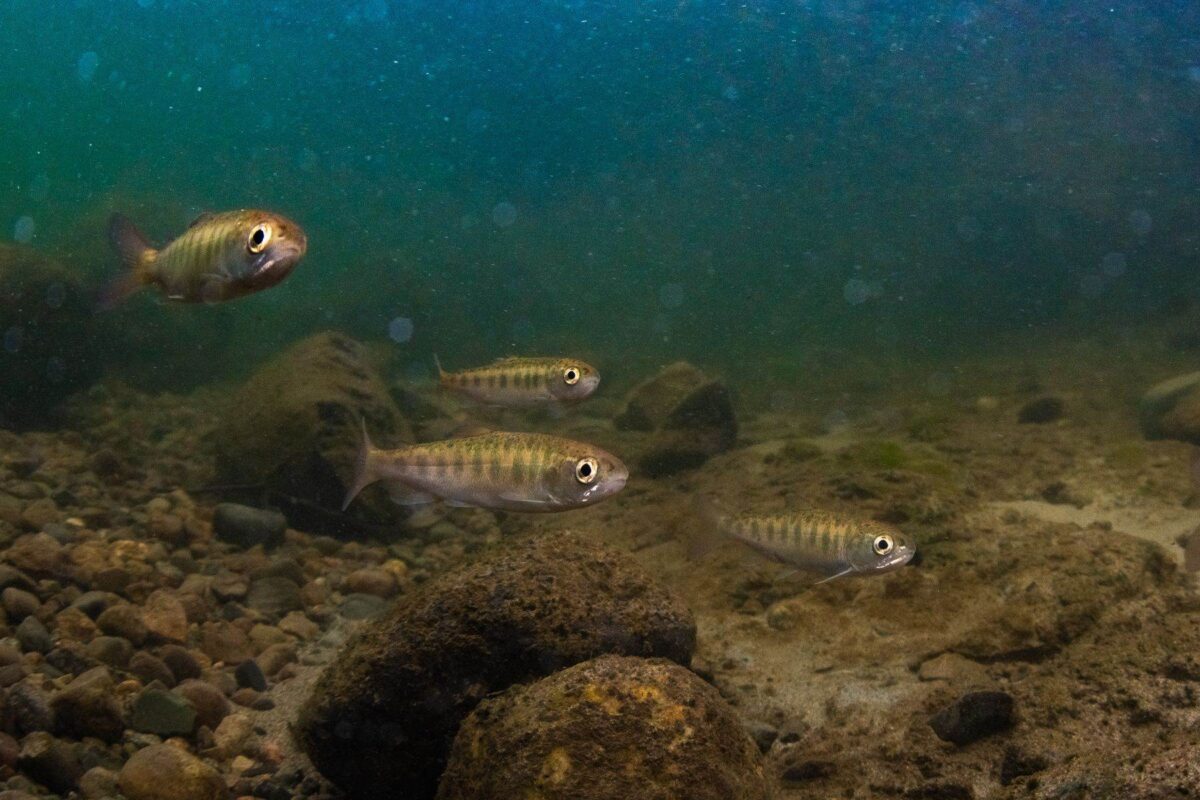
Four small salmon swimming near the bottom of the water.
Photo by Fernando Lessa.

Wildfires impact salmon

Recent wildfires in BC have brought climate-change related effects into focus: wildfires are getting larger, more intense, and more frequent. The suppression of wildfires can increase fuel load and the corresponding severity of wildfires, particularly in the drier and hotter regions of the province.

The loss of vegetation and alteration of soil properties from hot wildfires can dramatically change the way rainfall permeates soil, and can cause increased runoff, sedimentation, and landslides that can smother incubating salmon eggs. Additionally, fire retardants used to suppress fires contain compounds that are toxic to aquatic life and can increase fish mortality, particularly for young Chinook salmon. 

Floods impacting salmon

The forest management paradigm of British Columbia has increased the magnitude of and frequency of the biggest floods. In snow-dominant watersheds, such as those of the BC interior, reduced forest cover from logging leads to faster snowmelt and larger floods. Increased flood risk can degrade water quality through increased sedimentation and contaminants, and can kill incubating salmon eggs from riverbed scouring.

Underwater image of salmon swimming.
Photo by Fernando Lessa.
Coho salmon swimming in a river.
Photo by Fernando Lessa.

Engaging with decision-makers

Now is the time to improve federal and provincial land-use policies for the health and climate resiliency of ecosystems and to advance the recovery of at-risk salmon populations. These policies must support freshwater security at the community level and uplift the rights and priorities of Indigenous peoples.

Raincoast is engaging with decision-makers at all levels of government to advocate for science-based policy solutions that ensure wild salmon are resilient in a changing climate.   

Recent reports

Recent articles

The Hunting Collective podcast brand to the left of Chris Darimont on a river in the central coast.

Exploring human dimensions of hunting via social science, evolutionary ecology, and personal experience

In episode 140 of The Hunting Collective podcast, Ben O’Brien does a fascinating and good-natured follow up interview with Dr. Barrie Gilbert. Dr. Gilbert is a prominent bear biologist, friend of Raincoast, and previous verbal sparring-partner with Ben (at least when it comes to the hunting of predators). Ben invited Dr. Gilbert back for another interview, and they made productive amends…
Episode 4 of Wolf School with Cristina Mittermeier.

Join us for episode 4 of Wolf School with Cristina Mittermeier

Many of you will recognize Cristina’s iconic images of coastal wolves and wildlife around the world. Cristina is also a pioneer in the field of conservation photography. She was a founding member of the International League of Conservation Photographers and also established conservation charity SeaLegacy…
Shauna Doll looks up while she big tree hunting on Salts Spring.

Big tree hunting on Salt Spring Island

Earlier this month I spent two beautiful days on the coast of the Salish Sea, hunting for big trees. I was fortunate to join a research group of passionate “tree people” including Dr. Tara Martin, head of the Conservation Decisions Lab in the Faculty of Forestry at UBC; her Research Assistant, Cassandra Holt; Tony MacLeod from the Salt Spring Conservancy, and Jeff Shatford from the Ministry of Forests, Lands, Natural Resource Operations and Rural Development to measure some of the tallest trees on Salt Spring Island…
Wolf School with Heather Bryan.

Wolf School Episode 3 with biologist Dr. Heather Bryan
After our fantastic second episode with the Wolf Conservation Center’s Regan Downey last week, our next wolf school session will feature another inspiring scientist and educator, Dr. Heather Bryan. Now an Assistant Professor in Ecosystem Science and Management at the University of Northern BC, Heather has played a critical role in Raincoast’s work on coastal wolves and bears for many years…
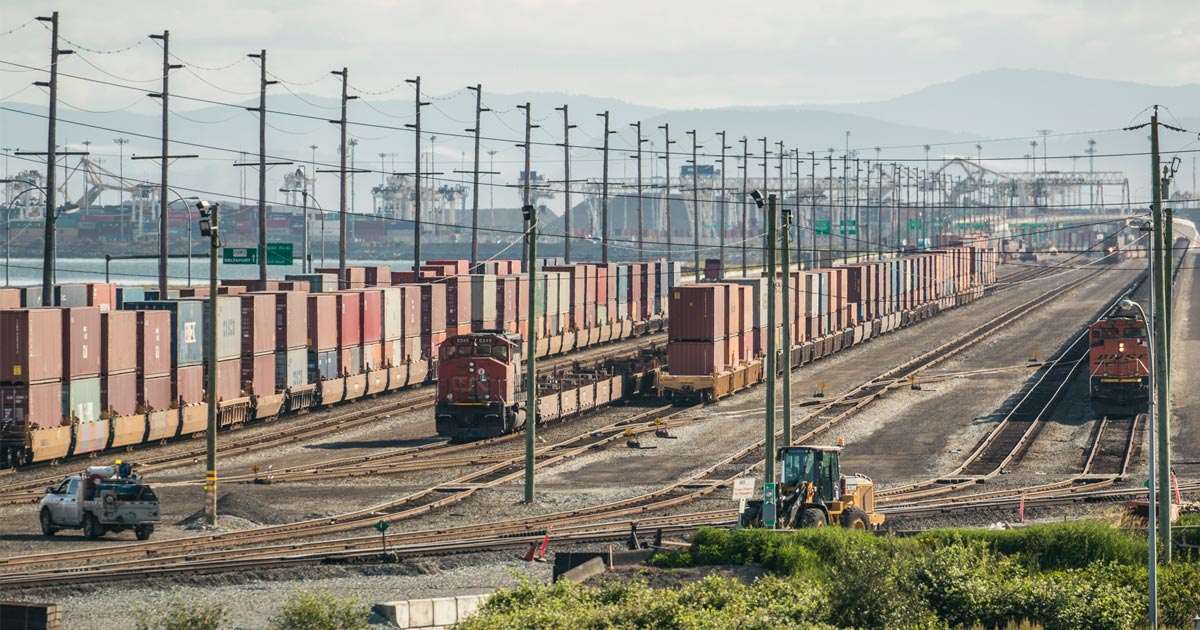
The trains and containers on the causeway to Terminal 2.

US organizations call on Washington State to oppose Canada’s Terminal 2 expansion in the Salish Sea
41 environmental and sustainability organizations in Washington State have written Governor Jay Inslee (PDF) asking him to oppose RBT2 on behalf of Washingtonians and the environmental, cultural and economic resources of Washington state…
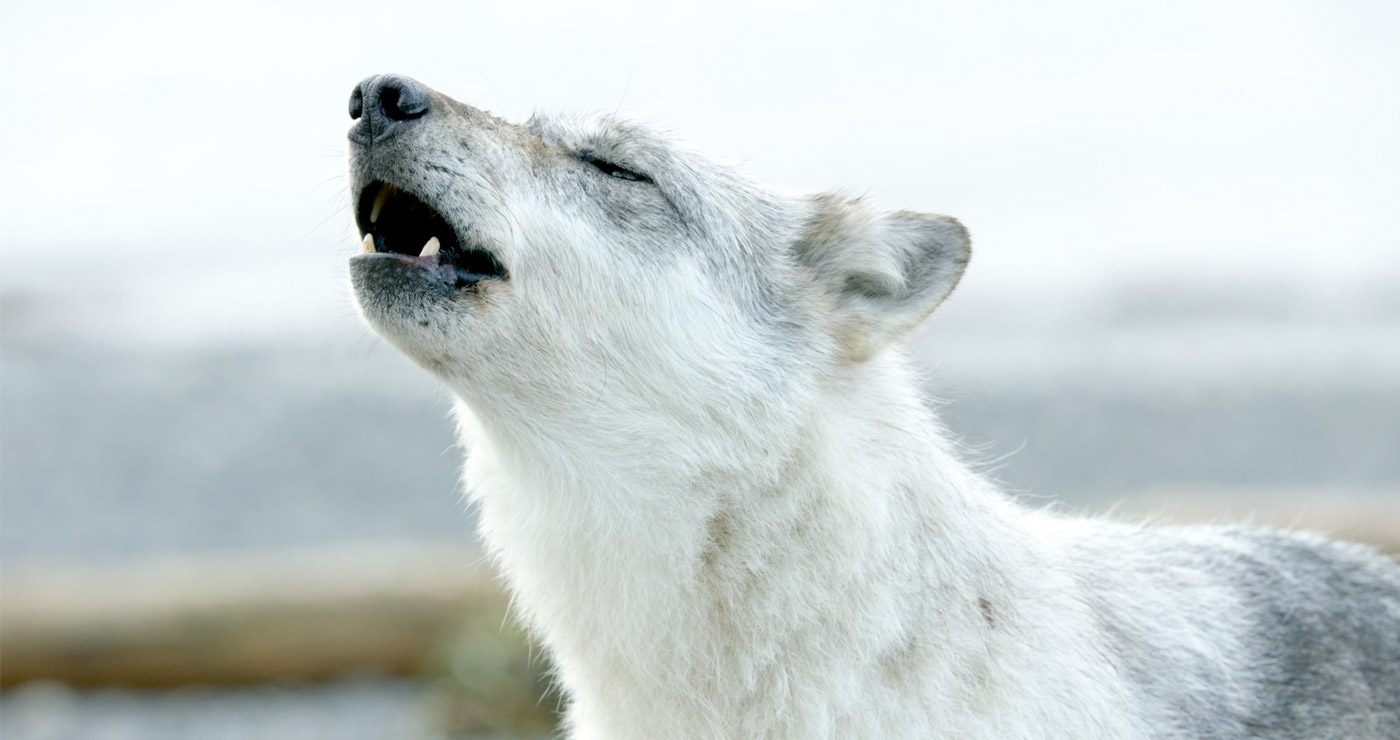
A close up on the face and mouth of a wolf with white and grey markings while it howls.

Your invitation to Wolf School

With close family ties and complex communication, wolves live lives that humans can easily empathize with across cultures. Yet, the wolf is still persecuted, including here in BC…
Cover of the open letter to the PMO standing beside a large elk.

Nature conservation should be central to Canada’s recovery from COVID-19
The Right Honourable Justin Trudeau, PC, MPPrime Minister of CanadaOffice of the Prime Minister and Privy Council Parliament BuildingsOttawa, Ontario K1A 1A6 July 10, 2020 Dear Prime Minister Trudeau: As organizations with a strong commitment to defending nature in Canada, we want to acknowledge the efforts that the Government of Canada has made to protect…
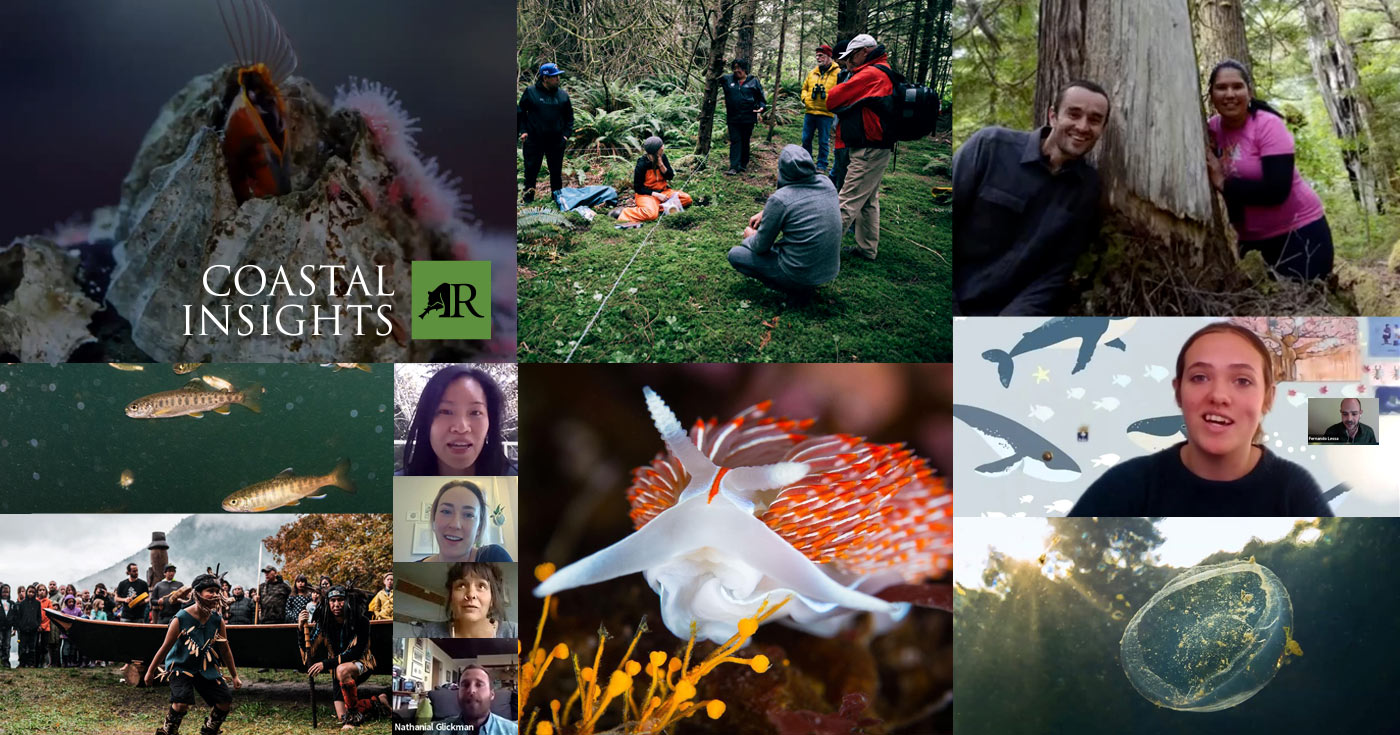
A mashup of images and profile photos from the Coastal Insights series episodes.

Coastal Insights online education series about nature, people, and place is now complete and available

The pandemic has impacted our lives in many ways, particularly with regard to learning in schools and experiential programming. Teachers have had to fast-track their technological skills and shift from their regular face to face connections with students to engaging through online learning. Raincoast knows this first hand as we were literally one week away…