Protection and conservation of gray wolves
Using minimally invasive methods to assess wolf behaviour and ecology, improve welfare through informed conservation policies, and identify key habitats for conservation.

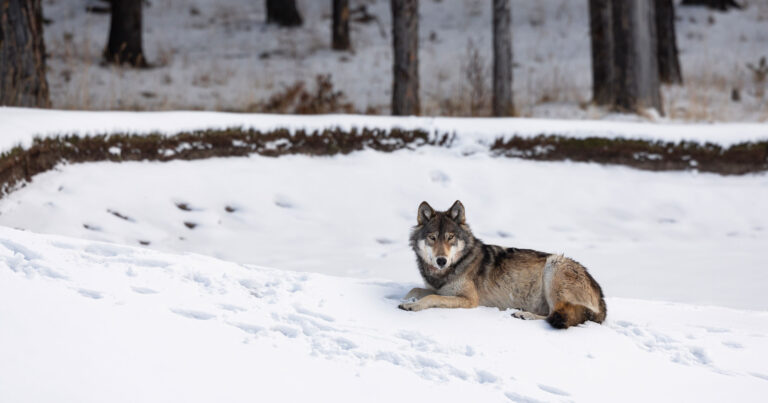
Using minimally invasive methods to assess wolf behaviour and ecology, improve welfare through informed conservation policies, and identify key habitats for conservation.

Examining the genetics of whales and wolves, and using DNA from scat to determine spatial and temporal data on diet.

Film shoots, never-been-done-before research, youth trips, and more.

Raincoast brought together 31 international scientists to create a roadmap that answers this daunting question.

Our ongoing projects allow us to hear cetacean vocalizations in real time to better understand how their communication is being impacted.
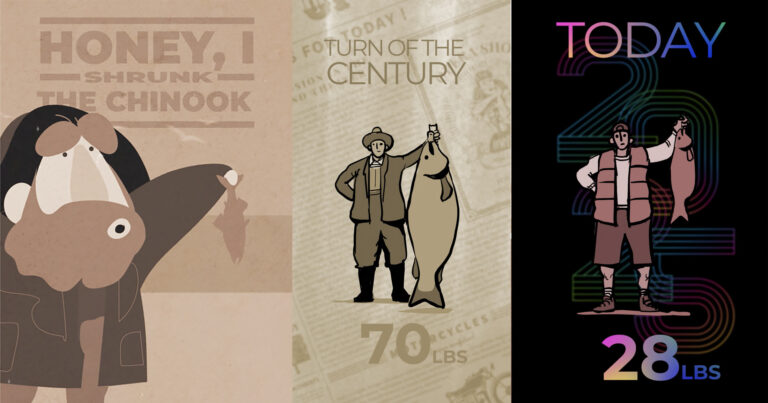
Honey, I shrunk the Chinook.
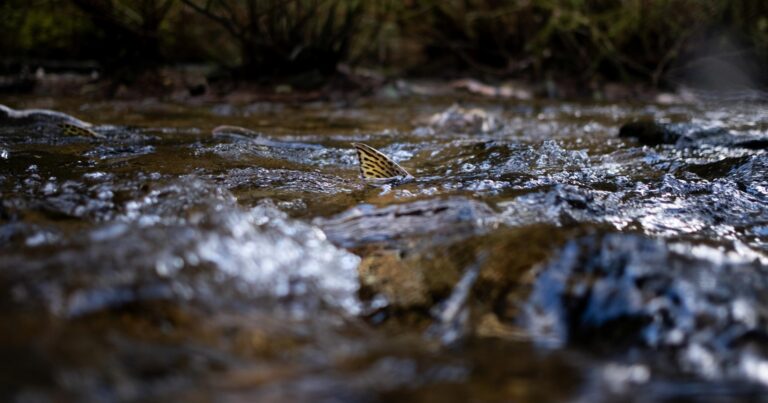
New paper evaluates both the enduring relevance of the Wild Salmon Policy and the persistent gaps that have limited its efficacy.
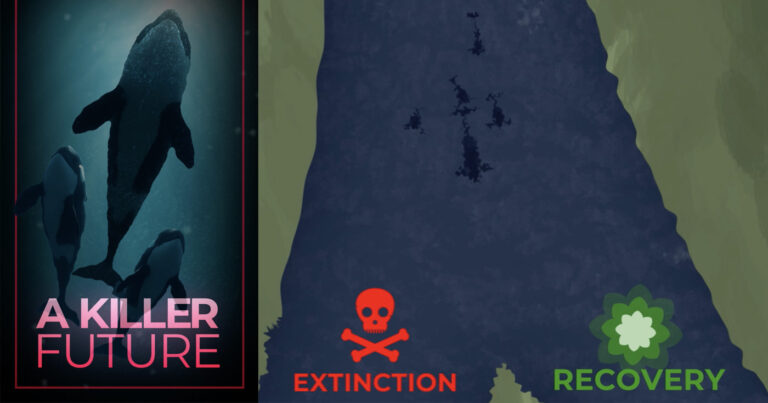
By restoring Chinook salmon, reducing underwater noise, and stopping pollution there is still time to protect these iconic animals for generations to come.
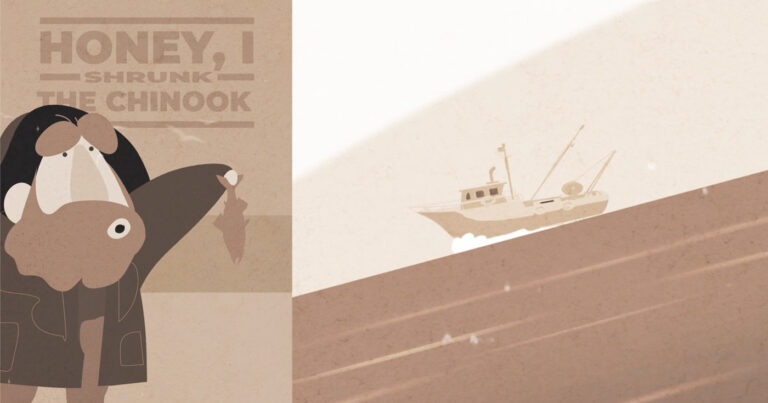
Chinook salmon are getting smaller, and one explanation is uncomfortably familiar.
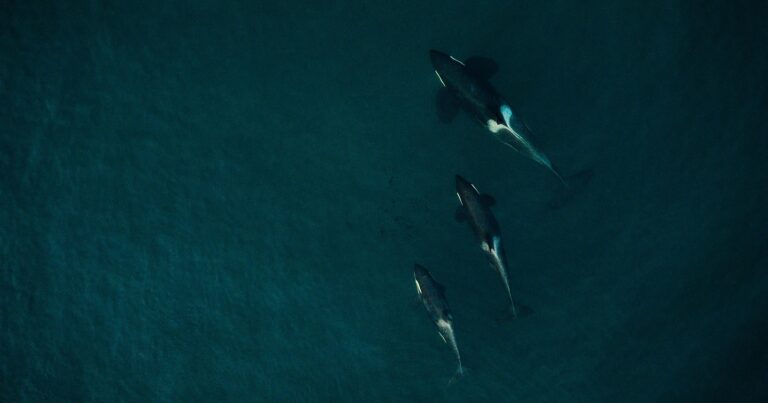
To protect killer whales, we first need to understand what they are communicating.
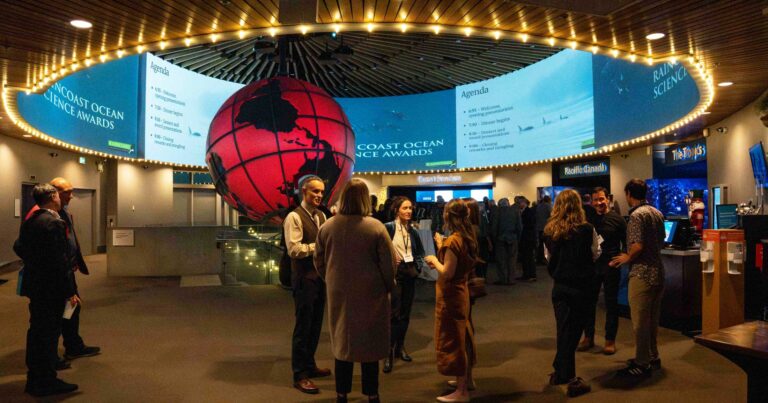
The 2025 awards ceremony was an uplifting evening celebrating the past, commemorating the present, and looking to the future of ocean conservation.
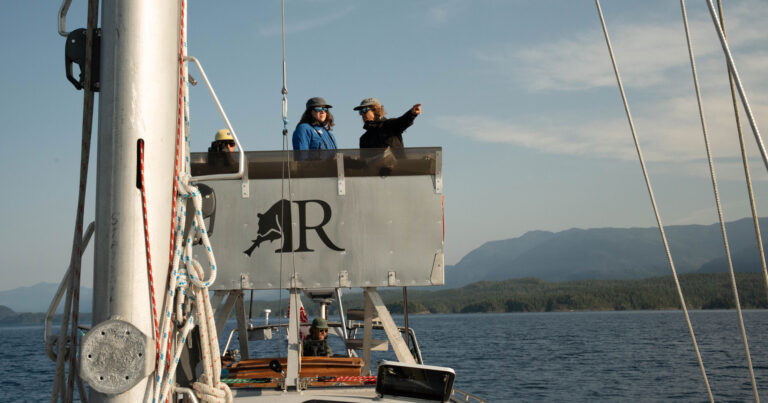
Our staff members have been incredibly lucky and grateful to receive support from ANIÁN. Whether it is through gear donations for our youth sailing trips, collaboration to design our Raincoast toques and hats, or helping outfit Raincoasters to stay warm and dry in the field, ANIÁN has been one of our core supporters for years….