No trust in the Trust
The Islands Trust draft Trust Policy Statement has veered off course at a time when its 50-year mandate is more important than ever.


Chris Genovali has served as Executive Director for the Raincoast Conservation Foundation for twenty years. When he’s not on a hiking trail with Atticus, the Raincoast dog, you can find him at his desk. Read more about Chris.

The Islands Trust draft Trust Policy Statement has veered off course at a time when its 50-year mandate is more important than ever.
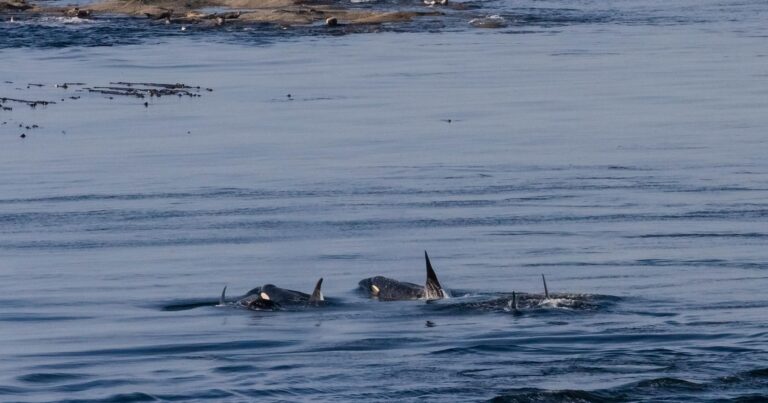
Highly intelligent, social, and sensitive, with sophisticated communication skills and strong family ties, these whales have an intrinsic right to live their lives.
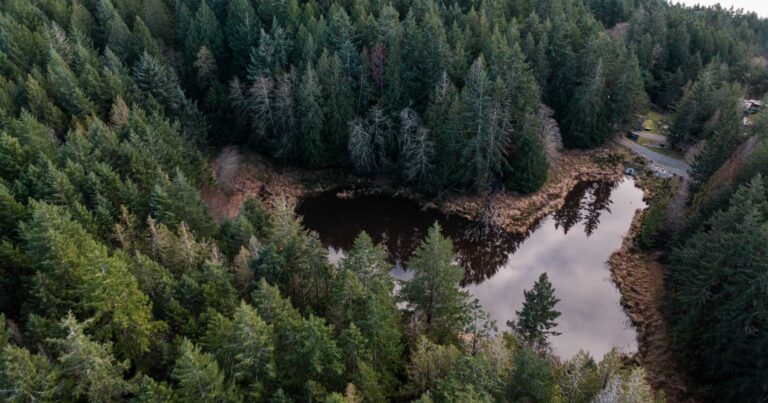
Islands in the Salish Sea are experiencing a worsening seasonal water deficit.
In New Zealand and Quebec, communities have successfully pushed for some form of Rights of Nature laws to be accorded to ecosystems around them.

Will the province stand by as the federal government permits the destruction of vital salmon habitat in BC?
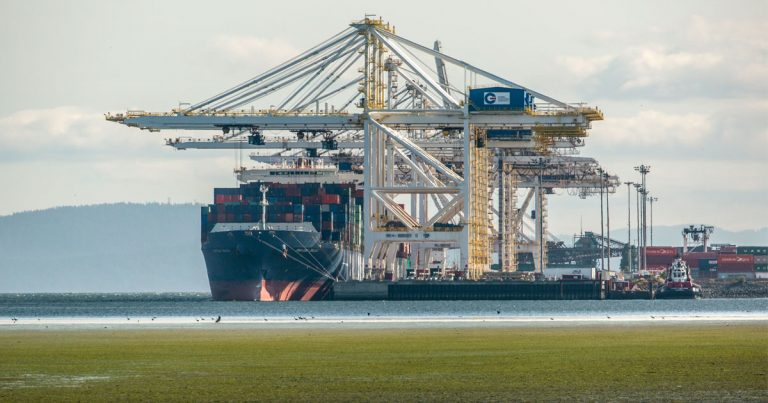
In approving Terminal 2, the federal government has seemingly ignored the findings of their own review process, which found the project will have lasting effects on threatened Chinook salmon and endangered southern resident killer whales.
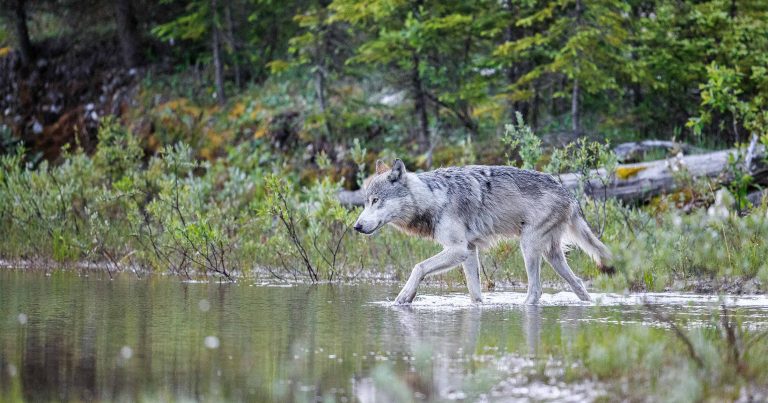
Is such a large experiment in wolf control, given its limited signal of efficacy and an unrelenting appetite of industry, worth the carnage?
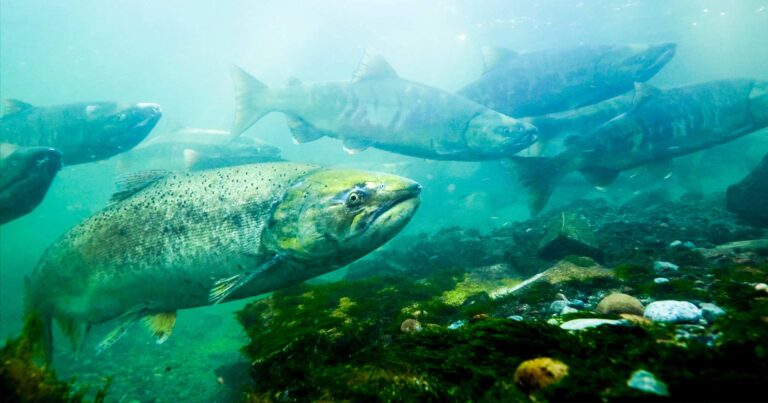
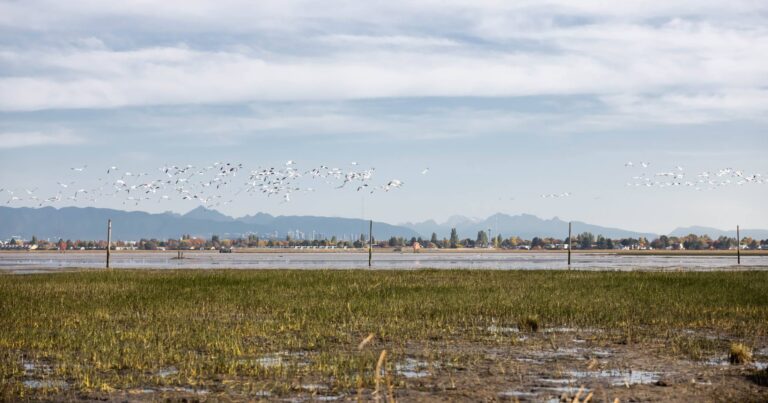
Globally, only 15.5% of the world’s coastal regions remain ecologically intact. In British Columbia, the Fraser River Estuary has already lost 85% of its floodplain habitat and over 100 species that live there are at risk of extinction. Now, they face another threat.
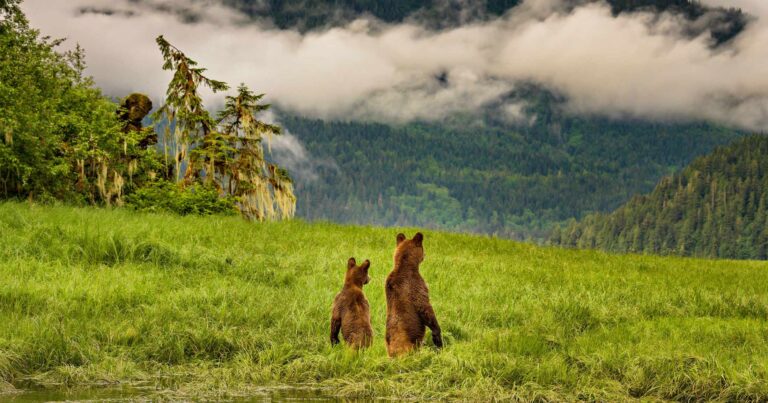
We are already halfway through the year, and I wanted to share with you some of Raincoast’s achievements thus far. This progress relies on donors like you and the entire team at Raincoast sincerely appreciates your support. Here’s a snapshot of Raincoast’s efforts over the past six months.

The Gulf Islands represent 33.2% of the provincial extent of Coastal Douglas-fir forests and associated habitats which are among the most biodiverse in the province. Yet, this region is also the most degraded.

In light of recent evidence of the unmarked graves of 215 children that have been found at the former Kamloops Indian Residential School in Canada, we express our deep condolences to the Tk’emlúps te Secwépemc, Residential School Survivors and all Indigenous people who continue to be affected.
In an era where climate change is a modern reality and biodiversity is in crisis the world over, the province’s continued support of industrial logging in old growth forests is out of sync with global scientific consensus and policy objectives. This is especially true in the Coastal Douglas-fir (CDF) biogeoclimactic zone, the smallest and most endangered of 16 such zones in BC…