Why 2020 was not all bad…
Before 2020 closes, please accept my sincere thanks and gratitude for your support that has enabled our success.


Chris Genovali has served as Executive Director for the Raincoast Conservation Foundation for twenty years. When he’s not on a hiking trail with Atticus, the Raincoast dog, you can find him at his desk. Read more about Chris.

Before 2020 closes, please accept my sincere thanks and gratitude for your support that has enabled our success.
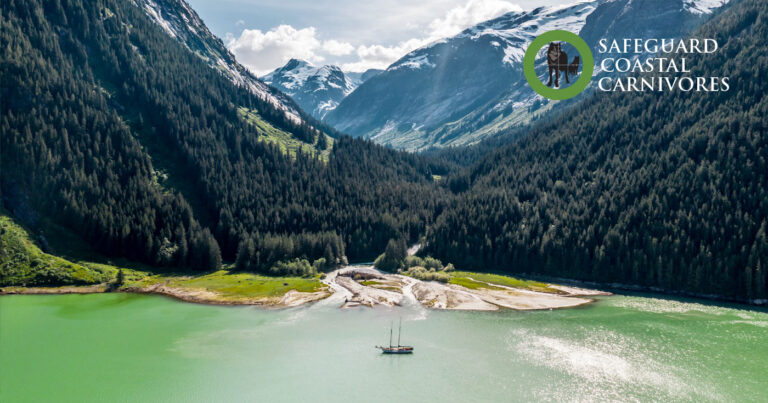
We have now raised the funds required to buy the Kitlope hunting tenure. You’ve helped us to permanently end commercial trophy hunting in the spectacular Kitlope Conservancy and surrounding area. We owe a huge thanks to you, all of our donors, and everyone who has helped us to raise the $650,000 required…
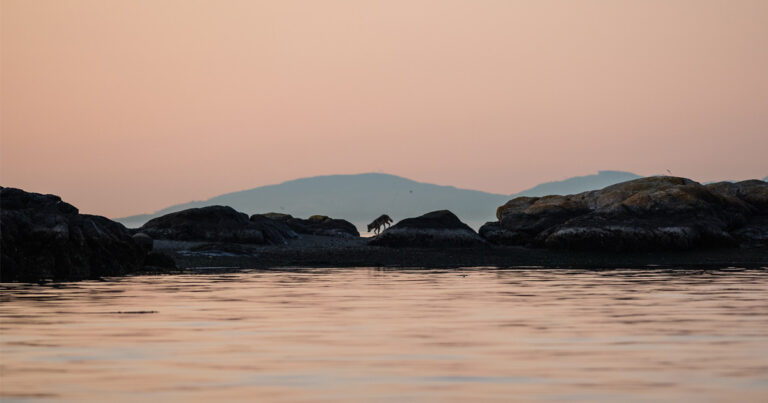
Without the crushing emotional burden of a pandemic, Takaya the grey wolf would surely and immediately emerge as British Columbia’s Cecil the Lion. His senseless killing by a hunter this week could – and should – leave a significant and enduring mark on society and provincial wildlife management. To get there, however, we need to…
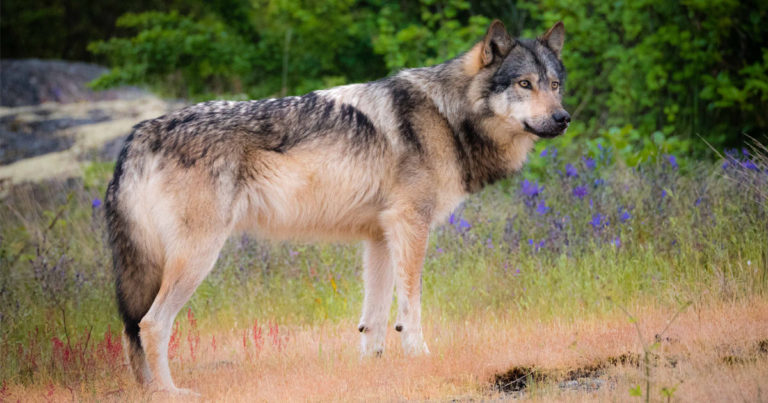
BC’s wolves are killed through a variety of means, most of which are gratuitous, inhumane and unethical. These include legal hunting and trapping, as well as government sanctioned culling, the latter using such techniques as aerial gunning and neck snares…
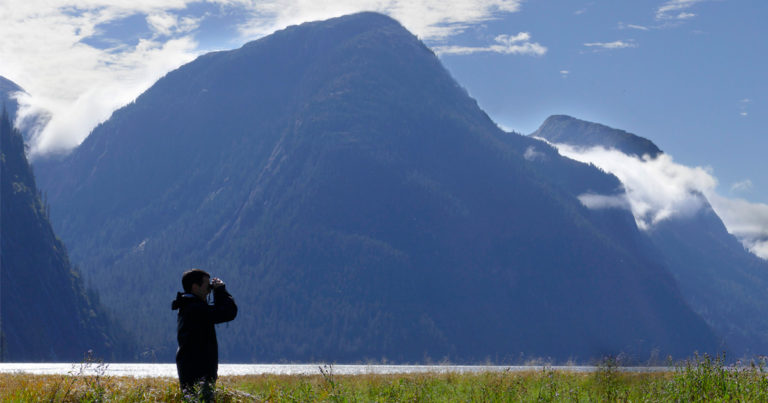
As this decade closes, it’s timely to celebrate what we have collectively achieved for BC’s coast. Raincoast’s past in the Kitlope takes us back three decades to 1990, when Brian Falconer first visited at the invitation of the Haisla and Xenaksiala. The Nations were working to save the Kitlope from clearcut logging, which they ultimately…

#GivingTuesday is a global movement of generosity that has a huge impact on smaller charitable organizations like Raincoast. Raincoast is funded by donations from people like you and those donations allow us to continue our work of protecting the wildlife of BC’s coast, the Salish Sea, Great Bear Rainforest and beyond. 100% of your donations…
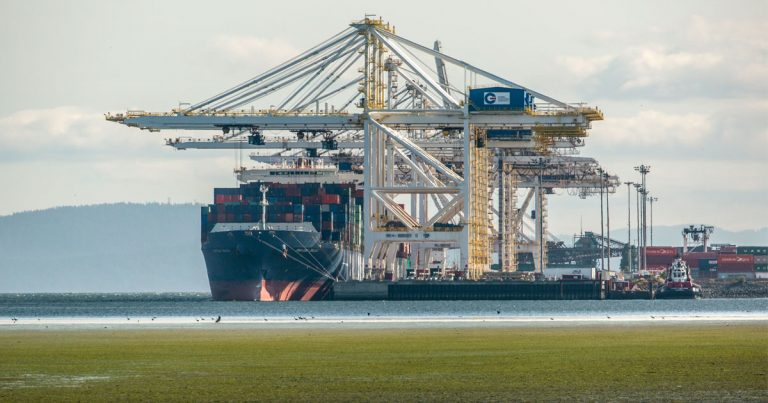
Given the ecological challenges that Fraser River salmon, including juvenile salmon, face at this point in history, now is not the time to increase pressure on their rearing grounds in the Fraser estuary by increasing the footprint of the Terminal 2 project on Roberts Bank….

The Fraser River in British Columbia remains one of the world’s most productive salmon rivers. Equally significant is the Fraser River’s estuary, which serves as vital habitat for fish, bird, and mammal species that are linked across thousands of kilometers of the Northeast Pacific Ocean. All Fraser River populations of salmon…

A coalition of six conservation groups commend the federal government’s new measures to support Southern Resident killer whale recovery. The measures are the boldest yet; greater whale-watching restrictions, expanded voluntary slow downs for international shipping and the creation of no-vessel zones in feeding areas. However, important feeding areas protected from fishing are smaller than last year’s areas, allowing less protection for whales and more areas for fishing…

This has been a time of remarkable accomplishment for the Raincoast Applied Conservation Science Lab at the University of Victoria. The research that the lab produces is a dynamic mix of population analyses, biogeography, marine-terrestrial interactions and much more, all rooted in a ‘wildlife welfare’ ethic. Collaboration with Indigenous communities forms the hallmark of much of this work, which is being directly applied…

British Columbia has begun an ambitious effort to review the province’s approach to managing wildlife, with $14 million committed so far. The Province’s interest in reform is encouraging. As explained in a letter we recently published in the journal Science…

As the endangered Southern Resident killer whale population continues to struggle from the combined forces of noise, pollution and food (i.e. Chinook) availability, Raincoast Conservation Foundation has released a report that highlights the risks posed to wild salmon in the Lower Fraser River from an expanded Trans Mountain pipeline…