The wild diet of sea wolves
Camera-trap footage offers a rare glimpse into the unique ecology of coastal wolves scavenging on a Pacific sleeper shark.


As a graduate student in the Canid Conservation Science lab at the University of Calgary, Chelsea was inspired to learn more about how to effectively advocate for wolves while completing her thesis. She joined the Raincoast team in 2020 to help develop the Wolf Conservation Program and continues to coordinate and deliver the program’s various initiatives. More about Chelsea.
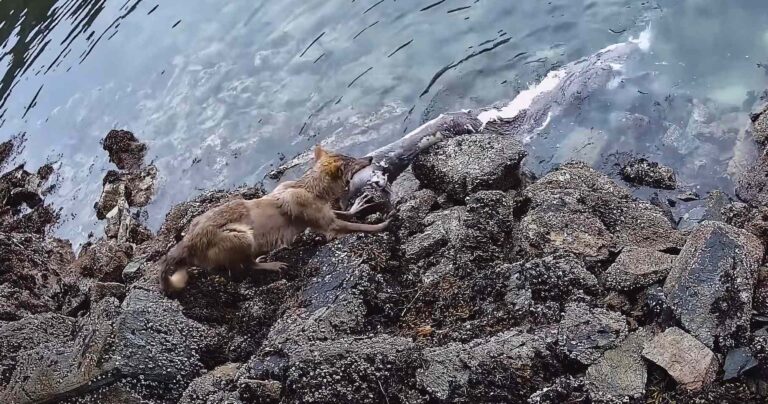
Camera-trap footage offers a rare glimpse into the unique ecology of coastal wolves scavenging on a Pacific sleeper shark.
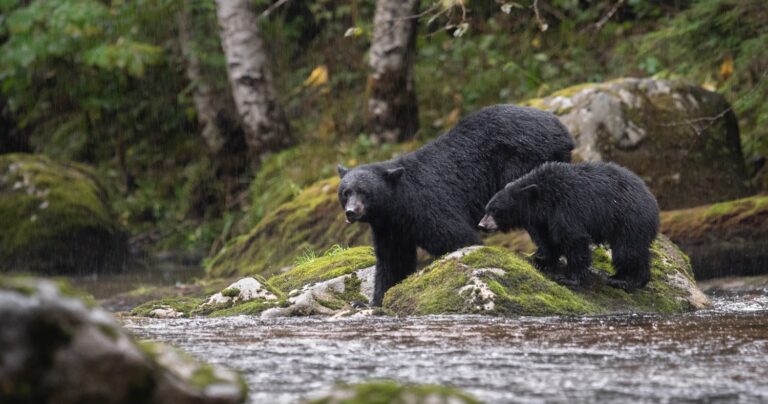
Scientists question the evidence behind Alberta’s approach to “responsible wildlife stewardship” and call for the suspension of hound hunting.
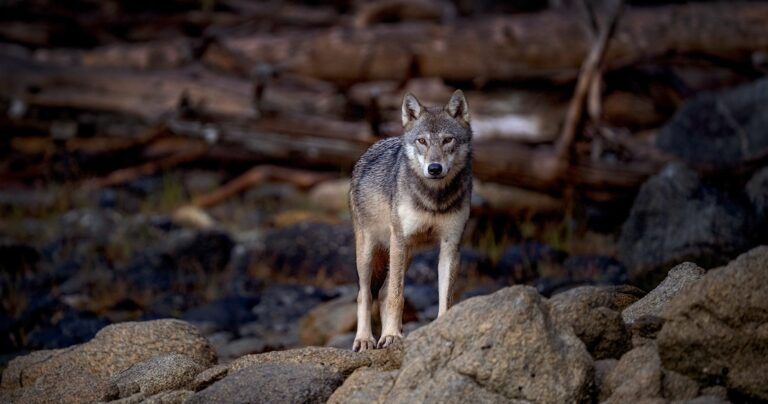
Photographer Michelle Valberg shares the story behind the image.

Stunning wolf stamps will inspire Canadians to love wolves as much as we do.

Help us tell the government to stop scapegoating wolves and start protecting caribou habitat.

Raincoast’s submission draws on expertise in large carnivore ecology, animal welfare, and ecosystem dynamics.

Killing wolves to protect caribou may accelerate ecological decline and ultimately diminish long-term caribou survival prospects.

Understanding the ecotype of recovering wolves is critical for conservation, as distinct ecotypes carry adaptations that influence habitat use, diet, and ecological function.

Understanding the ecotype of recovering wolf populations is important for conservation and management.

Whether in a village or a wolf pack, caring for the next generation is a shared responsibility.

What does a wolf eat over the course of a year? How can we find out? Through scat analysis! As we head into 2026, we wanted to share some results from our scat analysis work documenting what recovering wolf populations eat throughout the seasons. While it’s well known that wolves have a strong appetite for…

The level of human-caused wolf mortality can only be described as staggering.