To restore salmon habitat, one must act like the beaver
Rebuilding riparian habitat, one stick at a time.


Auston grew up in a suburb of Toronto where his passion for learning about the natural world was formed in front of the TV by Planet Earth and Jacques Cousteau’s Ocean Tales. He received a BSc in Biology from Queen’s University and went on to complete a Masters of Science at Carleton University under Dr. Steven Cooke, where he studied how catch-and-release impacts the behaviour of fish. More about Auston.

Rebuilding riparian habitat, one stick at a time.

A first-person account of monitoring the salmon run in Haíɫzaqv (Heiltsuk) Territory

How salmon are coping in one of BC’s hottest rivers.

Rivers are warming due to climate change. Where do salmon go to cool down, and what can we do to help them?
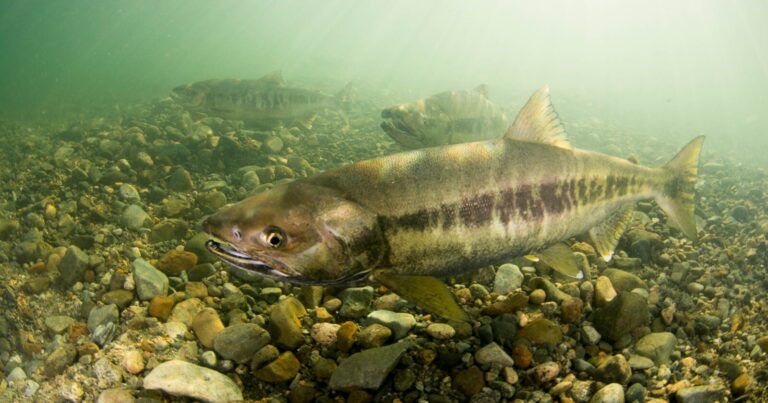
It is important to remember that our water, and the incredible fish that return to our watersheds, are one of our greatest natural resources and are an integral part of strong and resilient local economies.
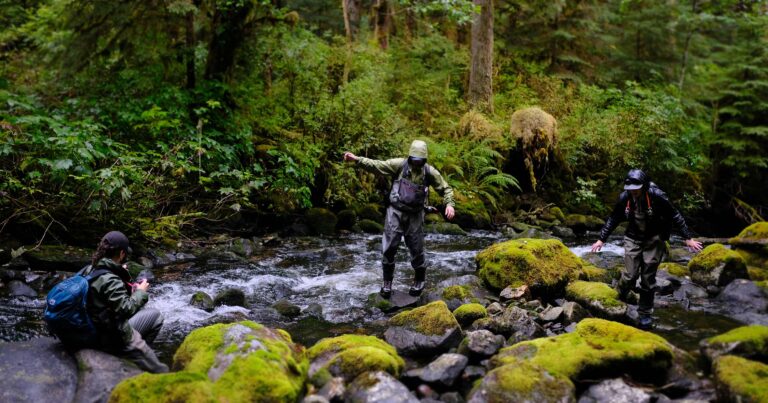
This past fall, Raincoast’s Wild Salmon team and technicians from the Reynolds Lab at Simon Fraser University conducted fieldwork for a long-term chum and pink salmon spawner monitoring project in Heiltsuk Territory. Started in 2007, the project monitors spawning populations in 27 small streams throughout the territory, and the data is used to inform fisheries…
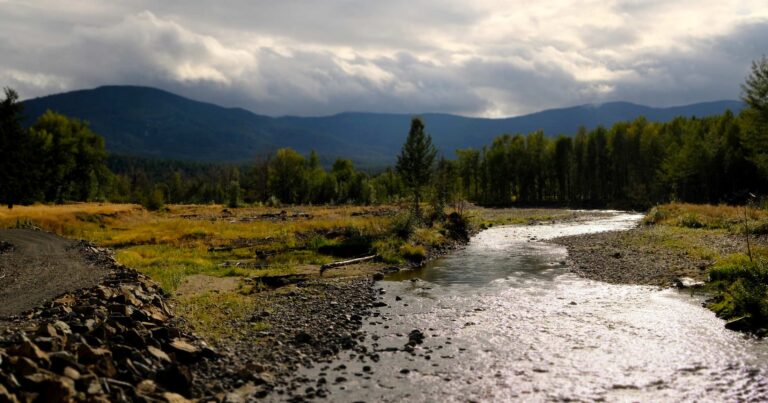
We’re conducting collaborative science to build climate resilience for salmon in the Nicola watershed.

Framing the issues of climate change and biodiversity loss in an urban context.
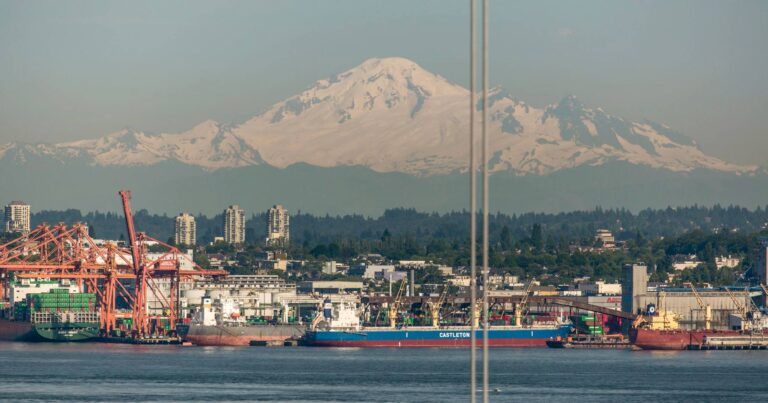
Our new report highlights global case studies for the development of a comprehensive, place-based conservation strategy in the Lower Fraser.
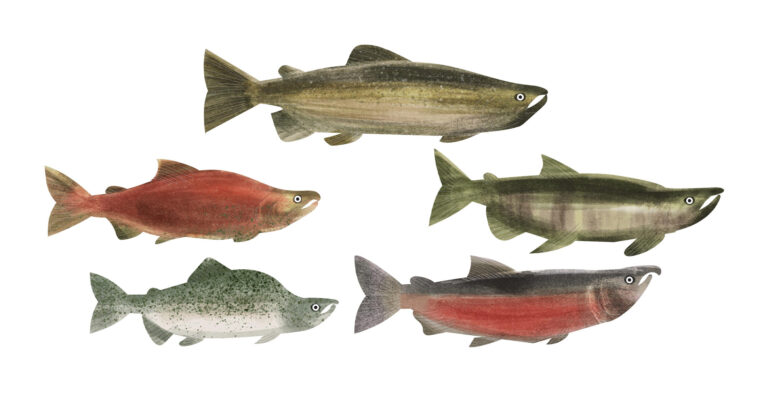
In celebration of Wild Salmon Day, we identify some of the threats facing these fish in BC.
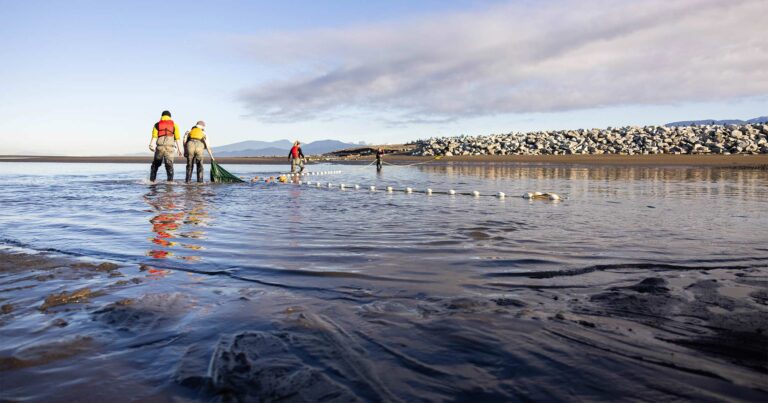
Climate change costs in BC are running in the billions of dollars per year; there are many benefits to Nature-based Solutions.
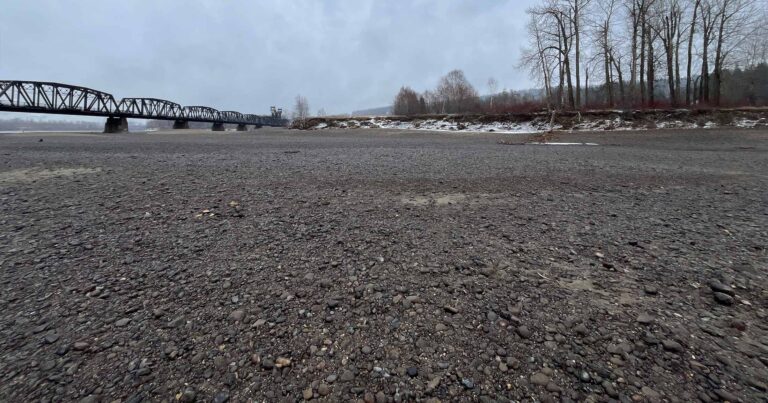
Eight policy solutions to benefit wild salmon in an age of water scarcity.