Conservation should be viewed as an economic opportunity rather than simply an environmental expense
Raincoast’s newest program, Living Economies, will advance job creation, conservation finance, and habitat restoration in local economies.
Raincoast Conservation Foundation recently launched Living Economies, a new program that will use economics, science, and policy to identify opportunities where habitat restoration and conservation can strengthen local economies. The program will develop practical solutions that attract investment, create skilled employment, and accelerate habitat enhancement and restoration across British Columbia.
Intact watersheds and functioning ecosystems are critical infrastructure for communities. For example, watersheds supply clean drinking water, intact forests regulate flood risk, coastal marshes reduce storm surge, and wetlands can reduce the risk of low intensity wildfires. Restoring these ecosystems creates jobs, reduces future costs from climate change impacts, and supports the ecological processes that underpin communities and local economies. Yet, these benefits are rarely incorporated into economic decision-making or investment strategies at the provincial or federal levels – a gap that matters more than ever as governments look to grow Canada’s economy through greater reliance on fossil fuels.
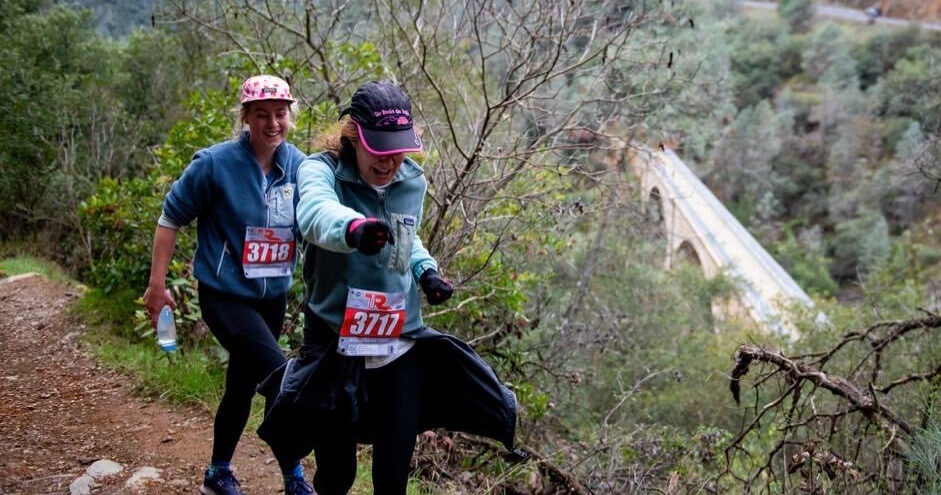
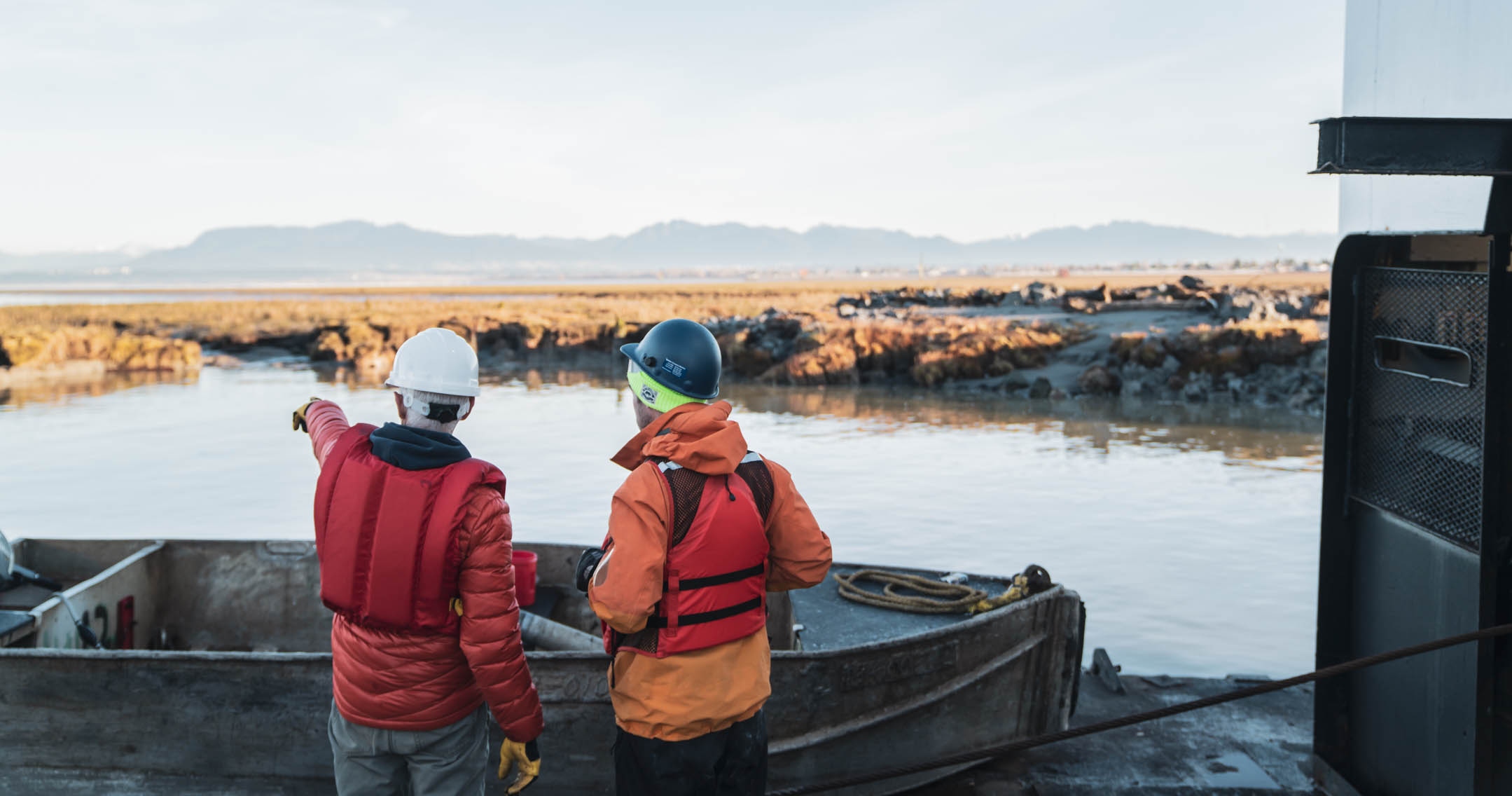
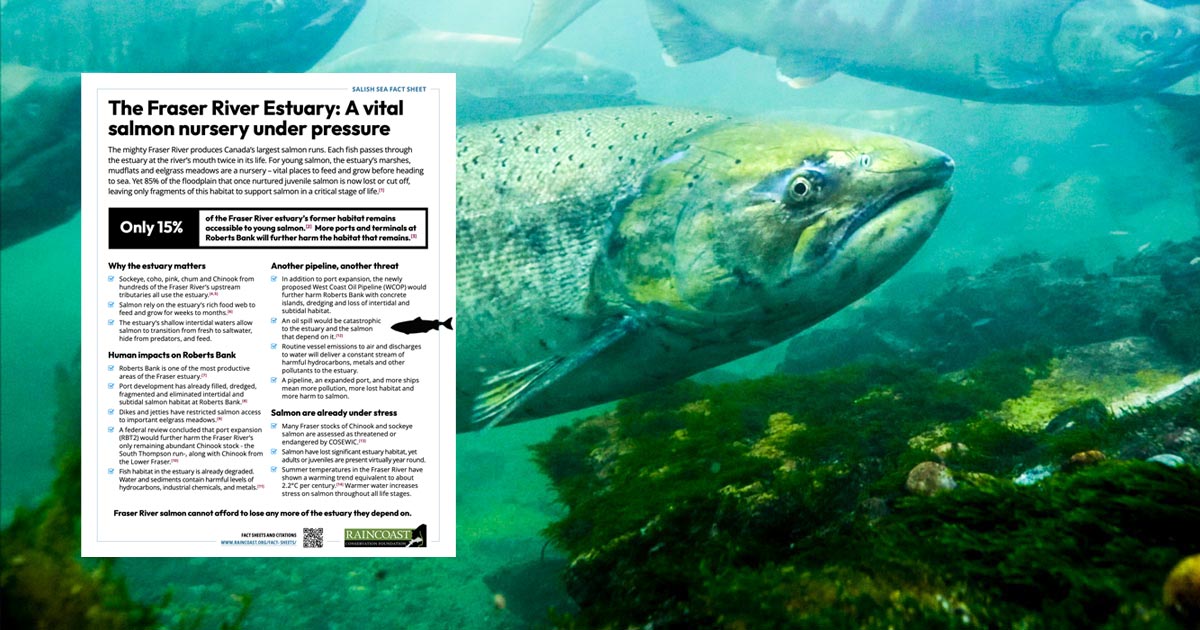
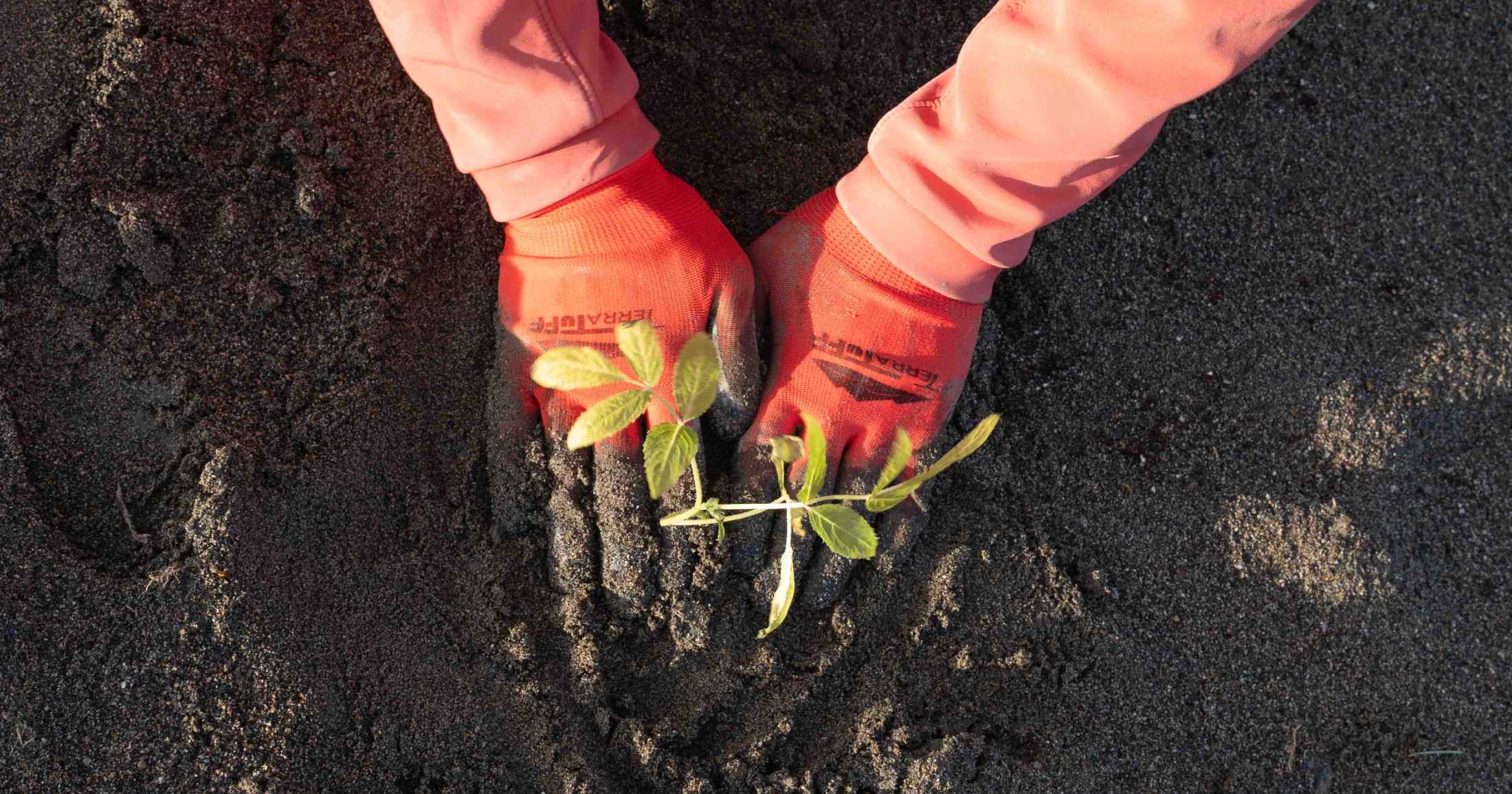
The program builds on Raincoast’s decade of habitat restoration work in the Lower Fraser River, where projects removed barriers to fish passage, restored salmon rearing habitat, and controlled invasive species. Over the past 10 years, this work employed 50 people and directed more than $885,000 in grant funding to local jobs. Restoration activities brought together biologists, Indigenous Knowledge Keepers, First Nations youth, engineers, environmental monitors, archaeologists, and graduate students – demonstrating how conservation investment can generate employment while improving habitat for at-risk wild Pacific salmon.
Building on this experience, the Living Economies Program will launch a Conservation Economy Pilot in 2026, pairing habitat restoration with innovative conservation valuation mechanisms to test a scalable model for creating employment, attracting public and private investment, and restoring ecosystems in rural communities.