
The utility of science
Grizzlies don’t go looking for conflict. And conflict cannot be reduced by hunting.
This week we received news that a paper authored by Raincoast scientists became the most downloaded article of the journal in 2025.
The Canadian Journal of Zoology, one of the oldest journals covering wildlife research, delivered the good news: our paper entitled, “Grizzly bears detected at ecotourism sites are less likely than predicted by chance to encounter conflict,” had been read by almost 1,500 independent users last year.
We’d normally be thrilled with this measure of interest. We instead felt some relief. Our paper, some five years in the making, came out mere months before the public and policy makers were looking for reliable and relevant information about grizzly bears and conflict. They sought our paper for insight.
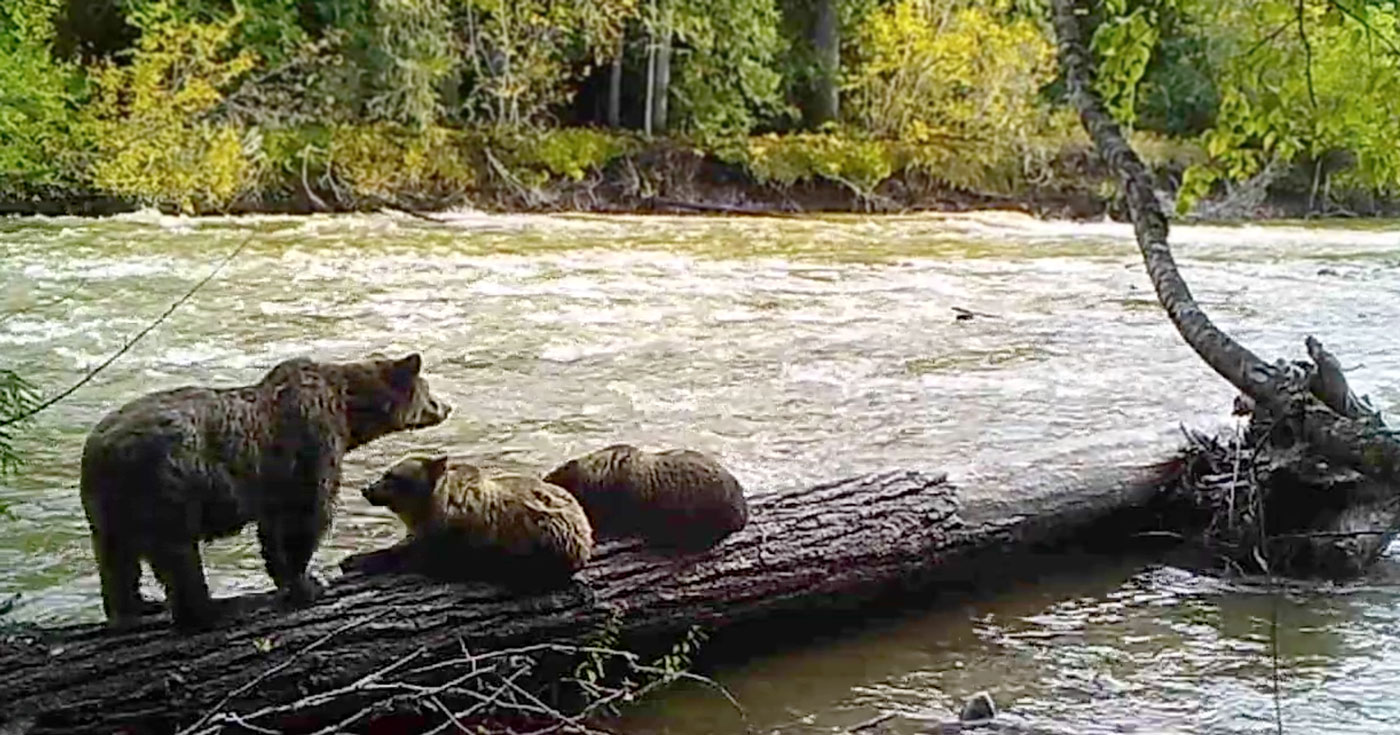
We couldn’t anticipate that this topic would soon be top of mind for many in BC, and around the world. But in late November, the most alarming case of bear-human conflict in recent history took place in the Bella Coola valley, where we had conducted our research. There, several children and their caretakers were injured by a female grizzly in apparent defense of her cubs.
People wanted answers. Why would this happen? Are conflicts and attacks common in Bella Coola? What conditions lead to them? What are the solutions?
Our open-access freely-accessed paper contained many of these answers. Readership spiked in late November. To fill in some gaps, we authored an op-ed in The Globe and Mail the week after the incident. Collectively, these sources of information we provided offered key information at an important time.
Grizzlies don’t go looking for conflict. And conflict cannot be reduced by hunting. Instead, conflict is prevented by minimizing the availability of human foods and ensuring an abundant natural food supply.
When we reflect on the news from the journal, we are struck by the fact that science can be useful in so many ways, and at so many times. Including when you least expect it. Its why we make such enormous investments in our research endeavours. Research helps us understand the world, and make it a better place for people and nature.