

Chris Darimont, PhD
Science Director and Chair of Raincoast Applied Conservation Science Lab
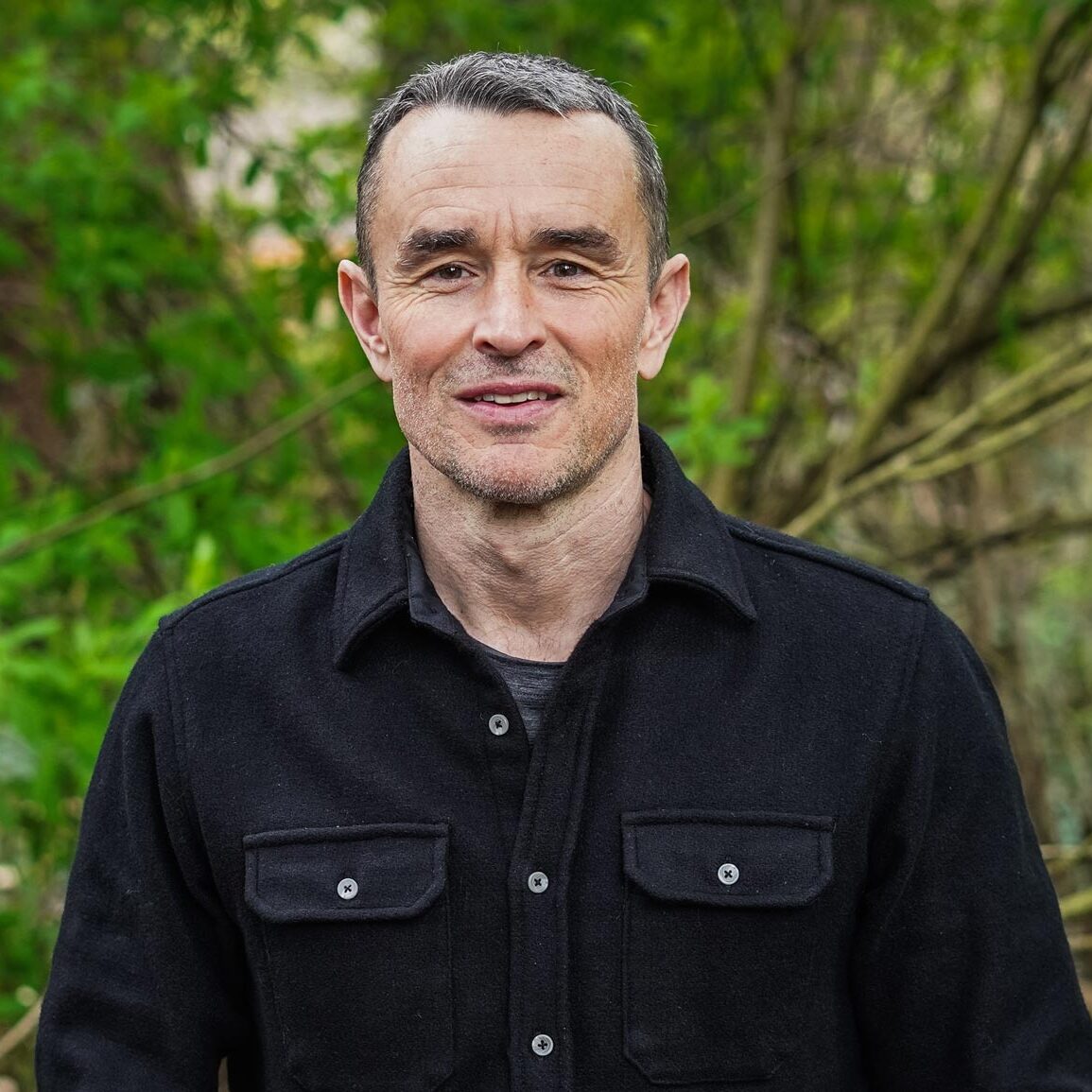
Dr. Chris Darimont is a Science Director at Raincoast and a Professor, Provost’s Engaged Scholar, and the Raincoast Chair of the Applied Conservation Science Lab in the Department of Geography at the University of Victoria (UVic). Favouring an interdisciplinary approach, he has been – and continues to be – influenced by a broad network of mentors and collaborators. He earned a PhD in Ecology and Evolution from the Biology Department at the University of Victoria with Dr. Tom Reimchen, and postdoctoral opportunities took him to the University of California, Santa Cruz, where he worked with Dr. Chris Wilmers. Raincoast Conservation Foundation has also shaped Chris and the work in which he engages. He received mentorship and partnership with many Raincoasters, including Dr. Paul Paquet, who has influenced, taught and empowered Chris since they first met at a pizza restaurant in Canmore in December 1998. Colleagues, friends, and Knowledge Holders among the Haíɫzaqv (Heiltsuk), Wuikinuxv, Kitasoo/Xai-xais, and Nuxalk Nations have also been enormously influential in guiding what he does and how he does it.
Chris’s work with wildlife often focuses on wolves, bears, and other large carnivores, and has pioneered the integration of ecology with human dimensions of conservation, highlighting how cultural values, politics, and industry shape wolf management.
Although frequently engaging with media, teaching and mentoring students and youth is a favourite form of outreach for Chris. His graduate student colleagues teach Chris as much as he teaches them. And undergraduate students in his Geography 353 (Coastal and Marine Resource Management) course at UVic keep him on his toes. He and colleague Jessie Housty of the Heiltsuk Nation also co-teach a field course (Geography 453) on weaving Indigenous Knowledge and Western science in the use, monitoring and management of resources. This amazing land-based course, offered since 2013, takes place at the remote Koeye River among bears, wolves and the long-term presence of people in the rainforest of this precious coast.
Recent articles
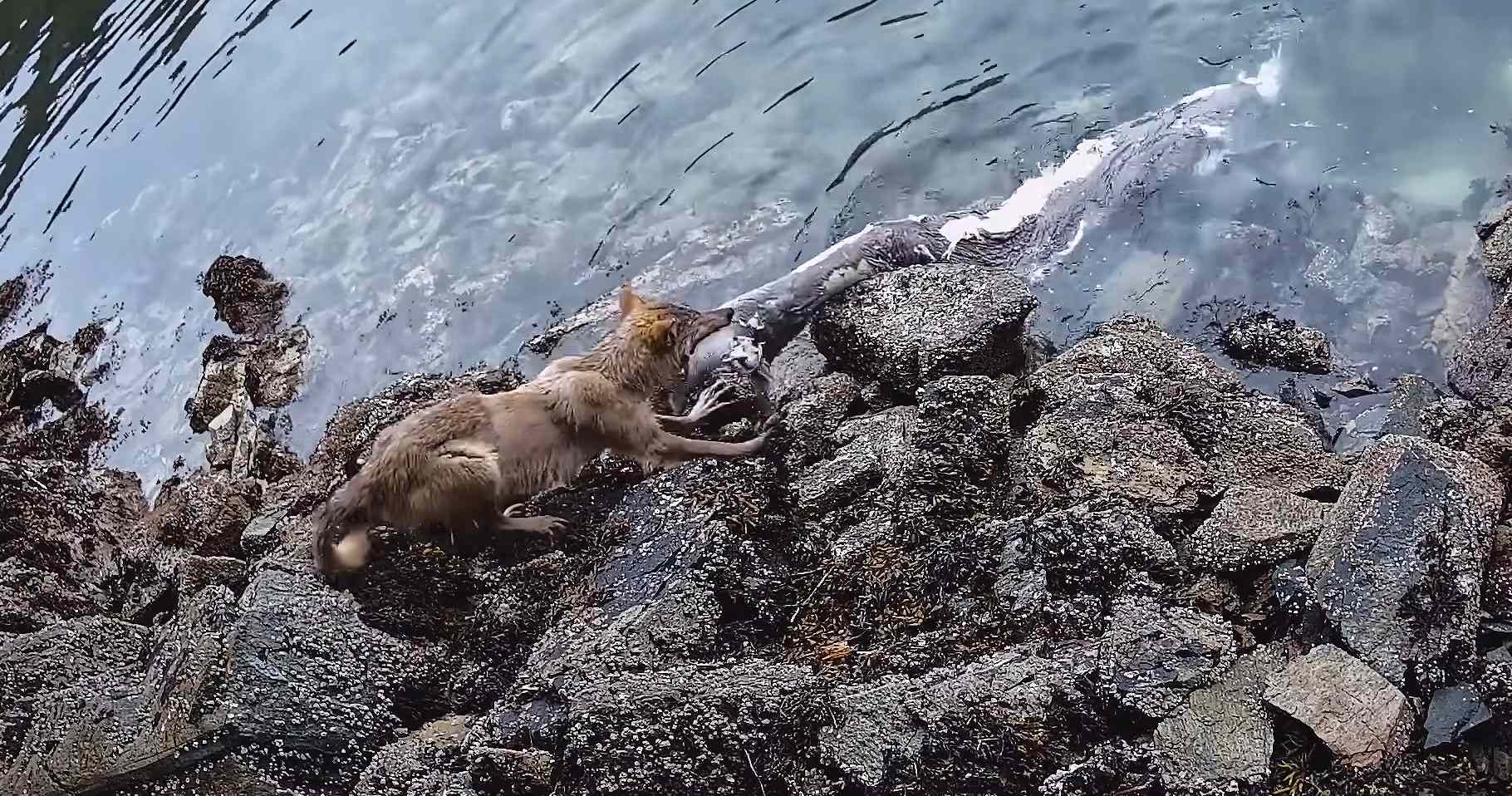
The wild diet of sea wolves
Camera-trap footage offers a rare glimpse into the unique ecology…
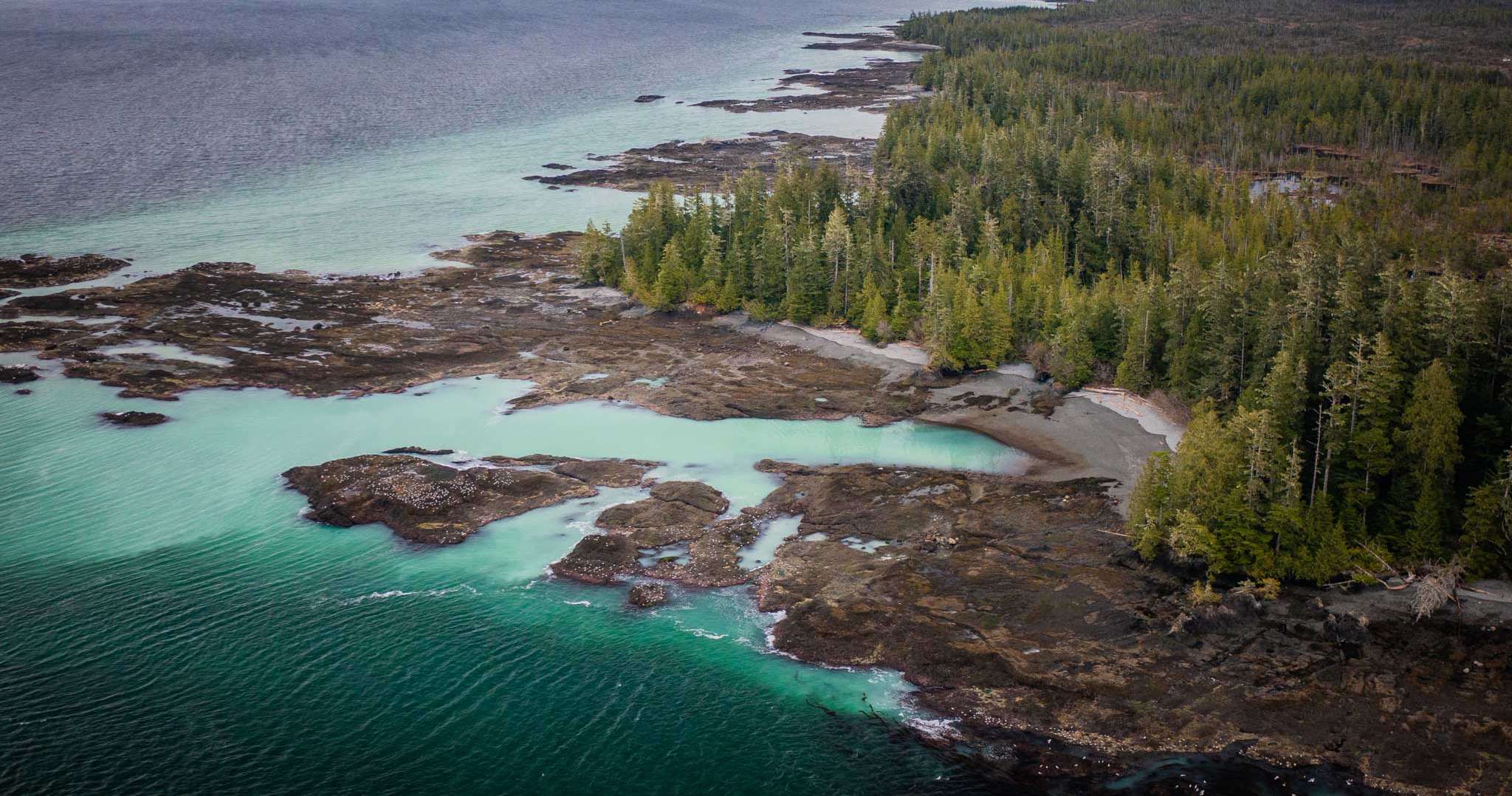
Raincoast scientists summarize decades of literature so you can understand what’s happening on the coast
New fact-sheets make the science clear, with the goal of…
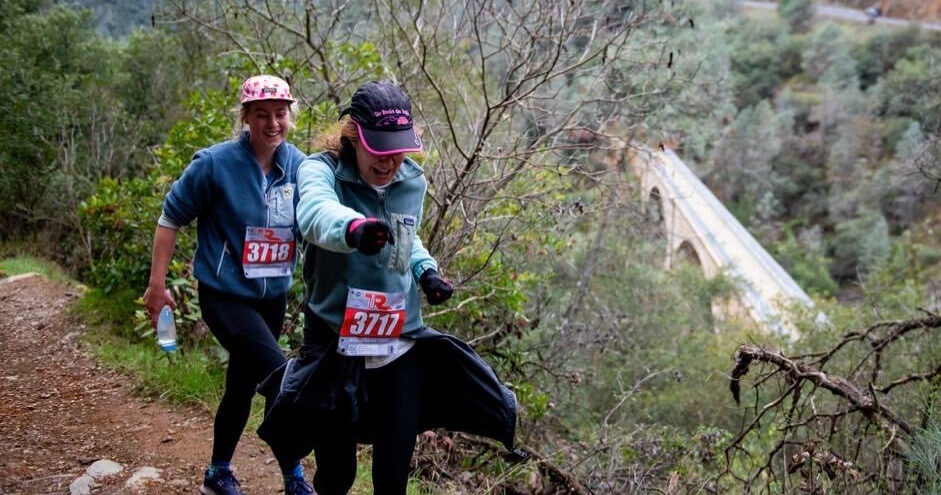
Race for Raincoast! Turning sweat into support
Turn your upcoming physical challenge into a fundraiser to support…
Charitable remainder trusts
Support Raincoast while continuing to receive income.
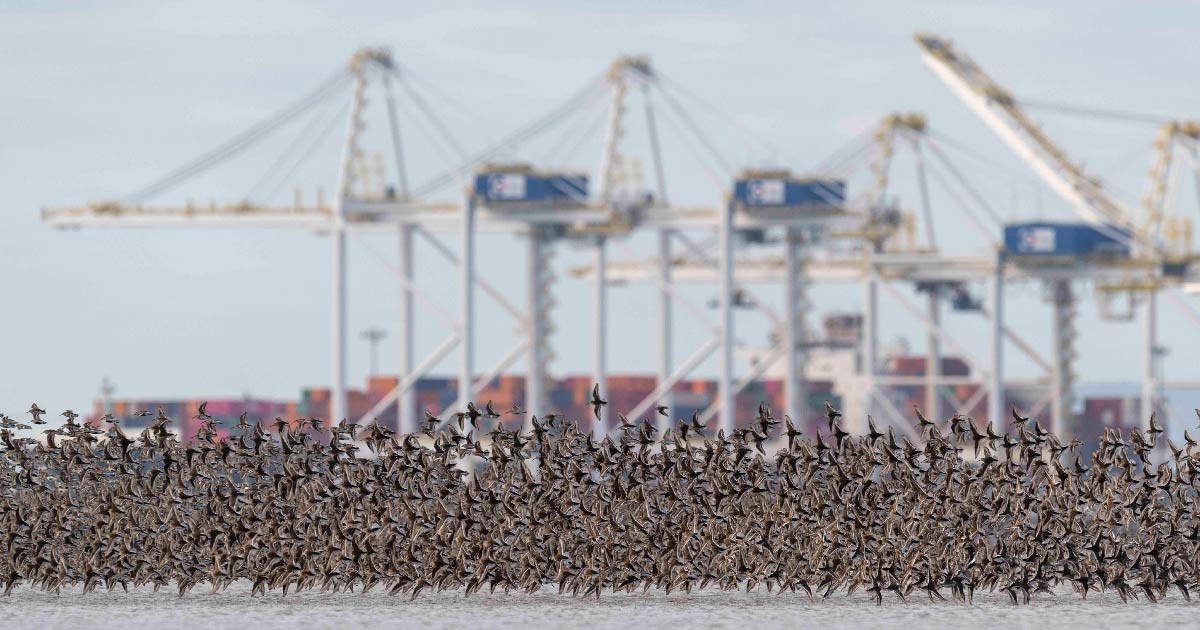
Listing Roberts Bank Terminal 2 as a Project of National Interest
The evidence does not support treating this project as being…
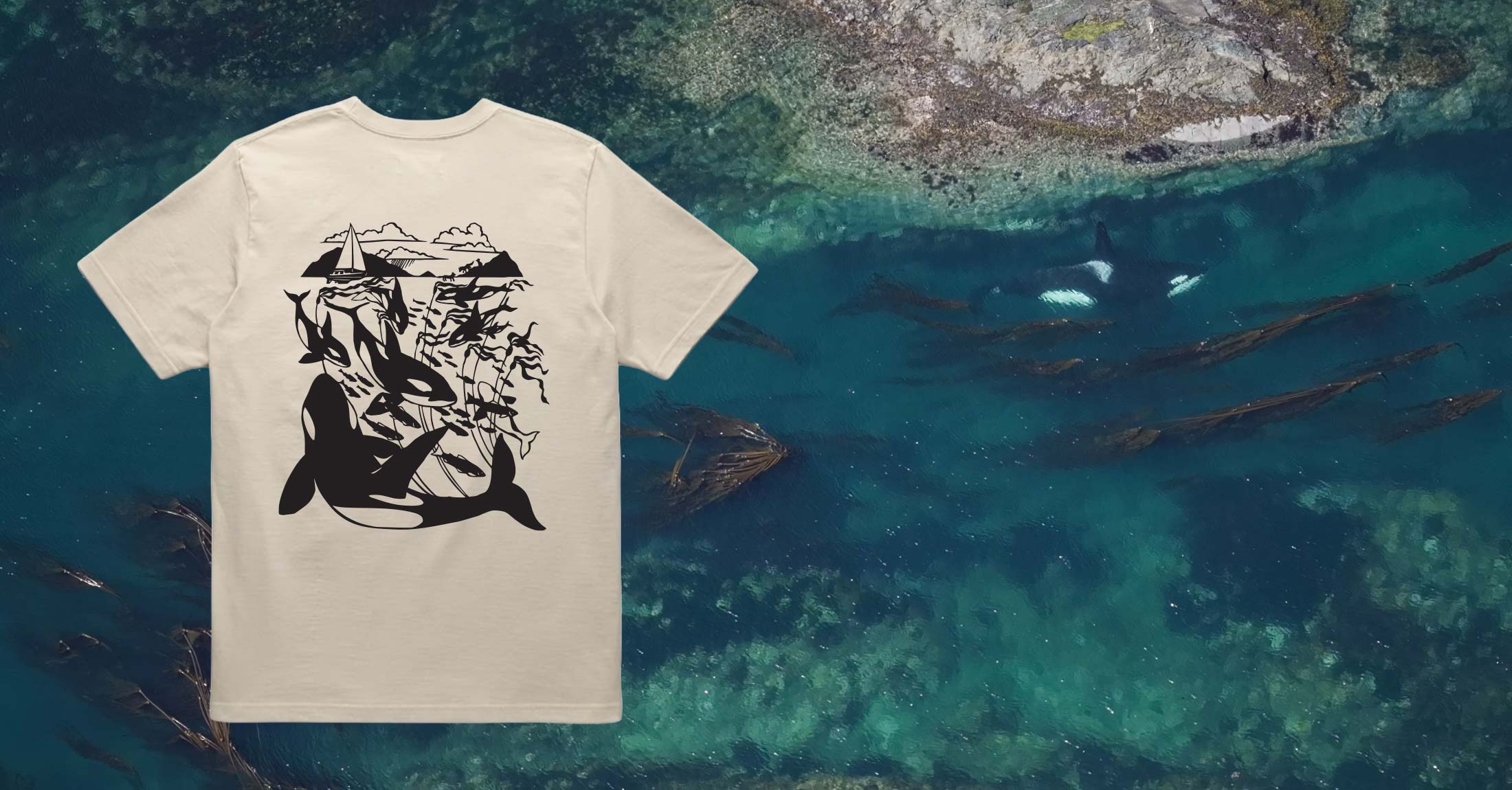
A new tee collaboration inspired by the wild coast: Nikki McClure x Raincoast x Anian
Wear what you stand for.