

Climate resilience for salmon habitat
Drones, snorkel surveys, and how the drivers of severe wildfire affect watershed security and salmon habitat in BC.
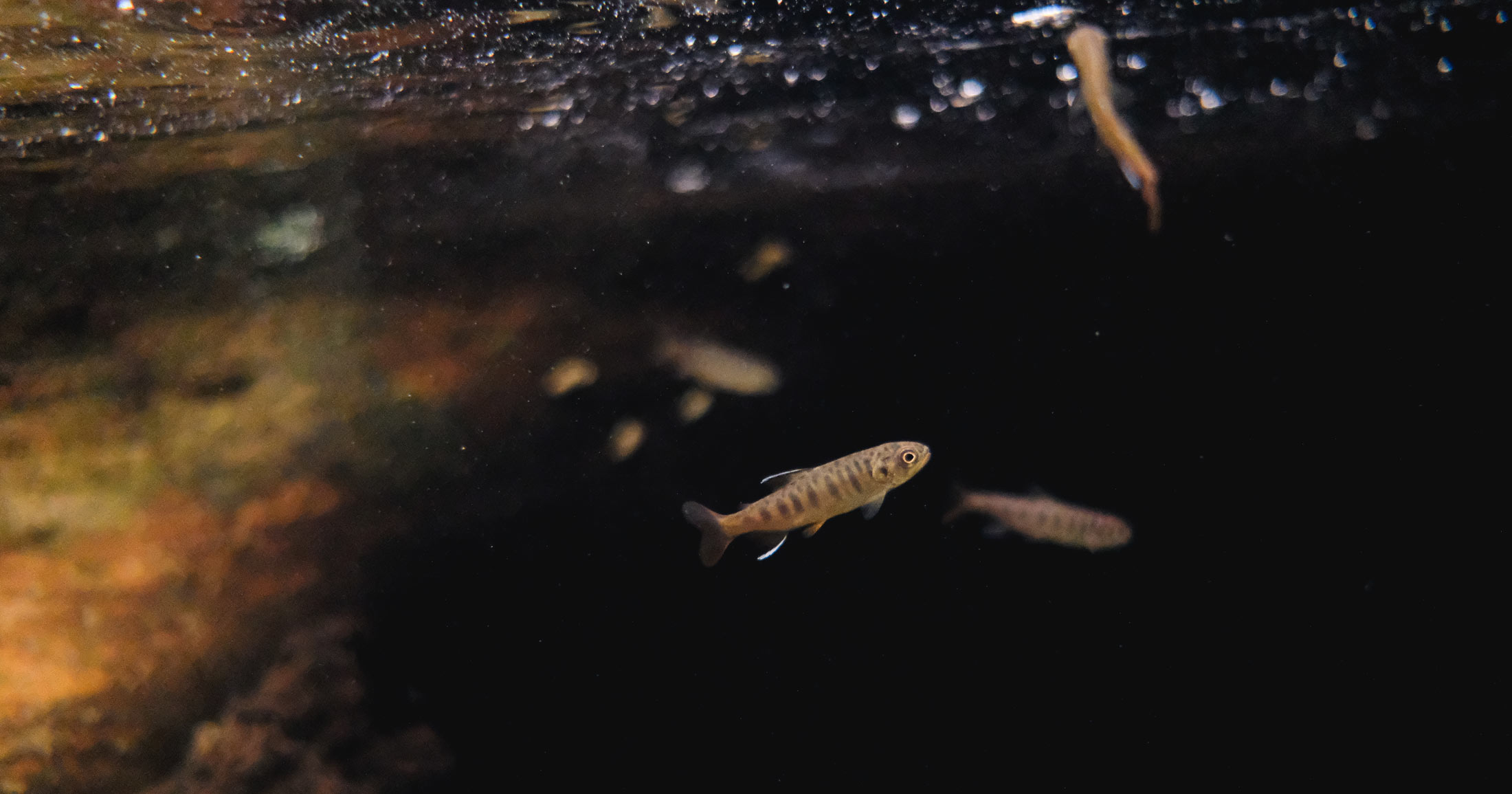
This year marked another successful season of our climate resilience project in the Nicola River watershed, located in the southern interior of the province. Raincoast continued to partner with Scw’exmx Tribal Council and Citxw Nlaka’pamux Assembly to study how salmon habitat is affected by drought and extreme heat. We used a new approach that combines thermal infrared drone flights with snorkeling surveys to identify thermal refuges and learn how they are used by salmon during climate emergencies. Informed by our results, we are planning habitat enhancement, protection, and restoration measures into 2026.
Recent wildfire seasons in BC highlight the importance of increasing ecological resilience to wildfire, particularly within drought-affected watersheds that support wild salmon. In 2025, we published a technical report that provides the first comprehensive analysis of how the drivers of severe wildfire — including industrial forestry, fire exclusion, and climate change — affect watershed security and salmon habitat in BC. The report outlines evidence-based policy pathways to achieve ecosystem resilience at the watershed and landscape scale. Recommendations span transitioning from industrial to community-based forestry, increasing funding for Indigenous fire stewardship, and increased investment and protection of riparian habitat. Moving into 2026, we will apply this research on the ground to bolster climate and wildfire resilience in salmon watersheds.
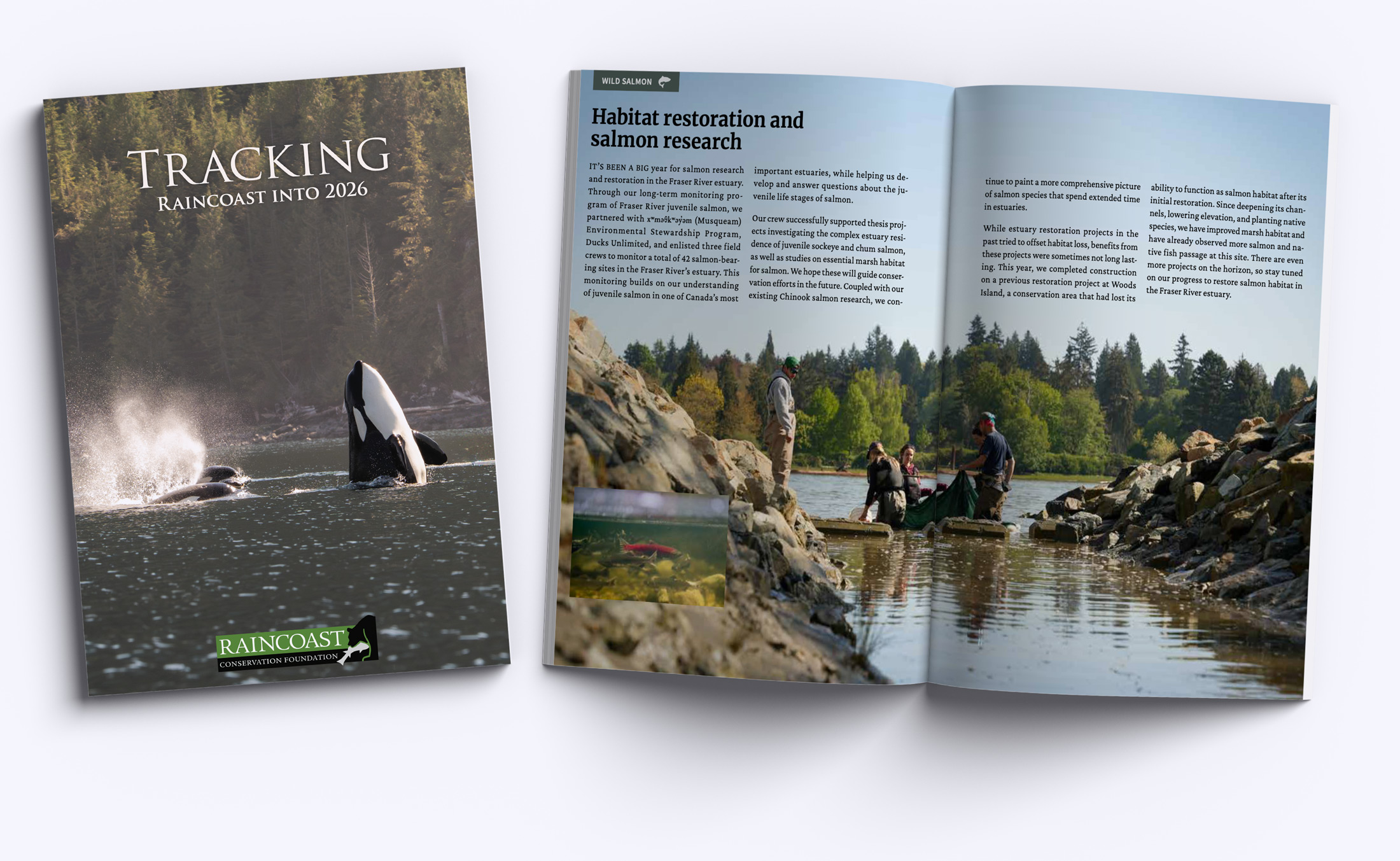
This is an excerpt from our annual report, Tracking Raincoast into 2026.