
30 years in the Great Bear Rainforest
How Haíɫzaqv principles and ongoing research will guide our future.
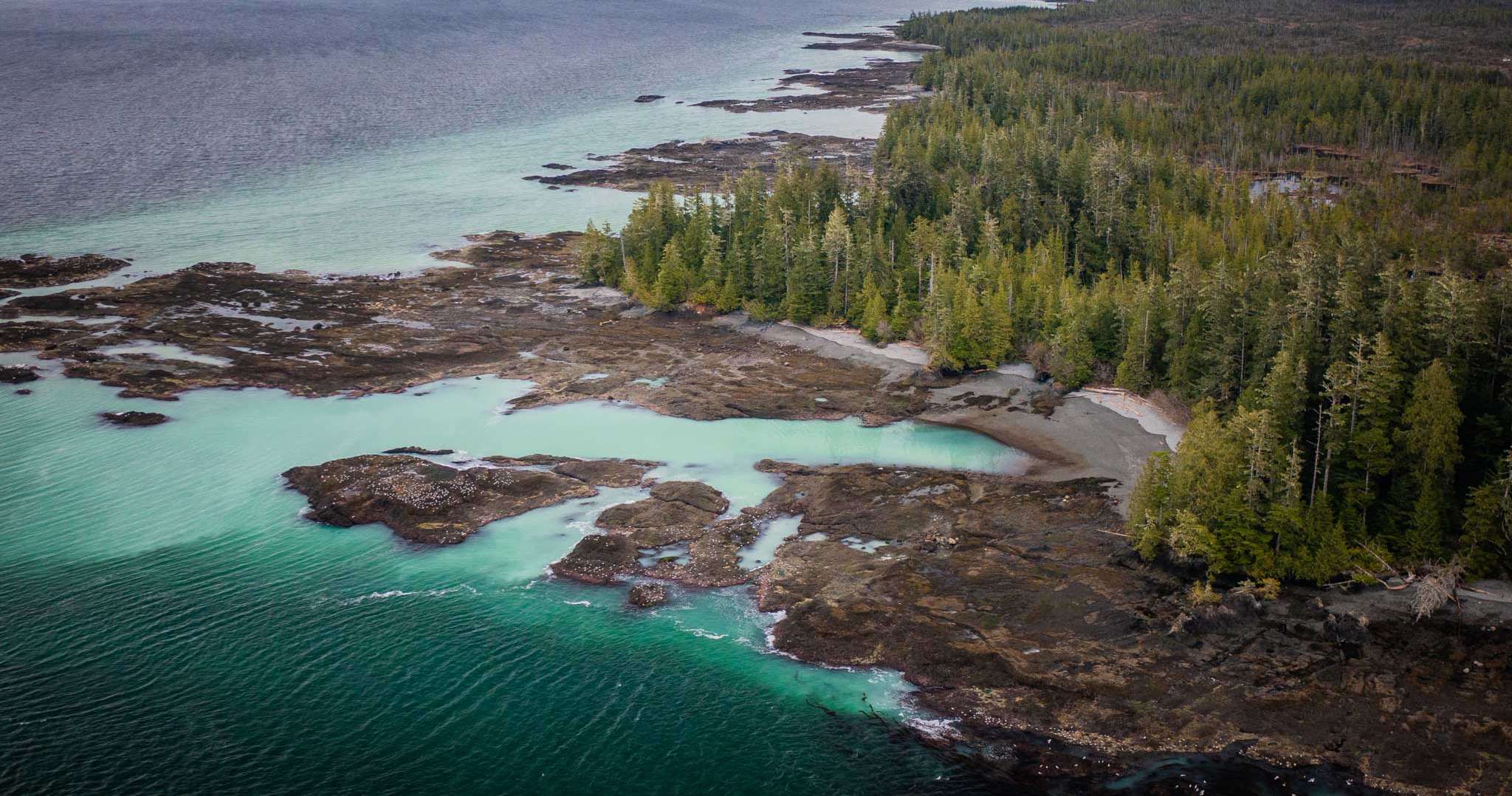
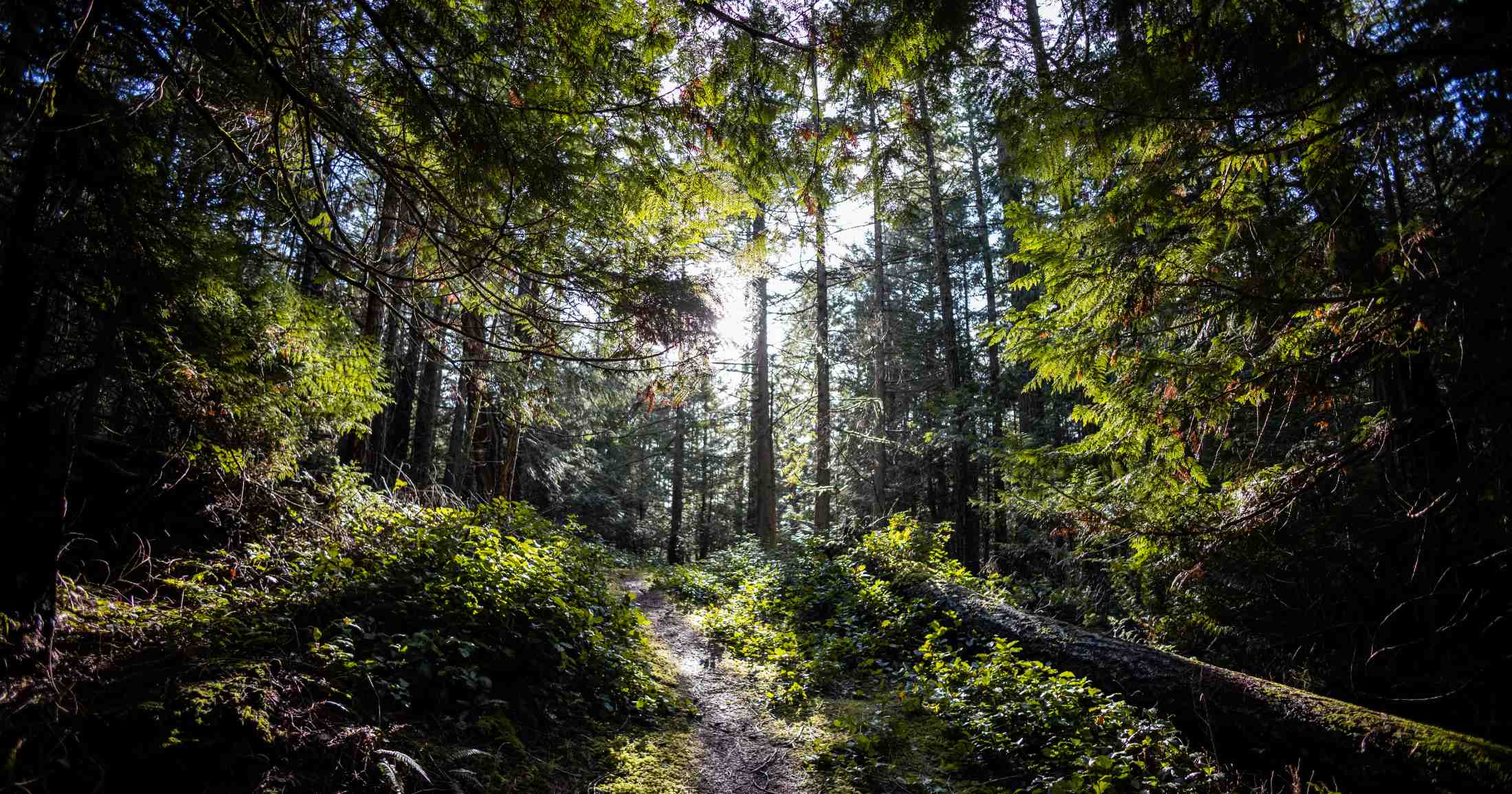
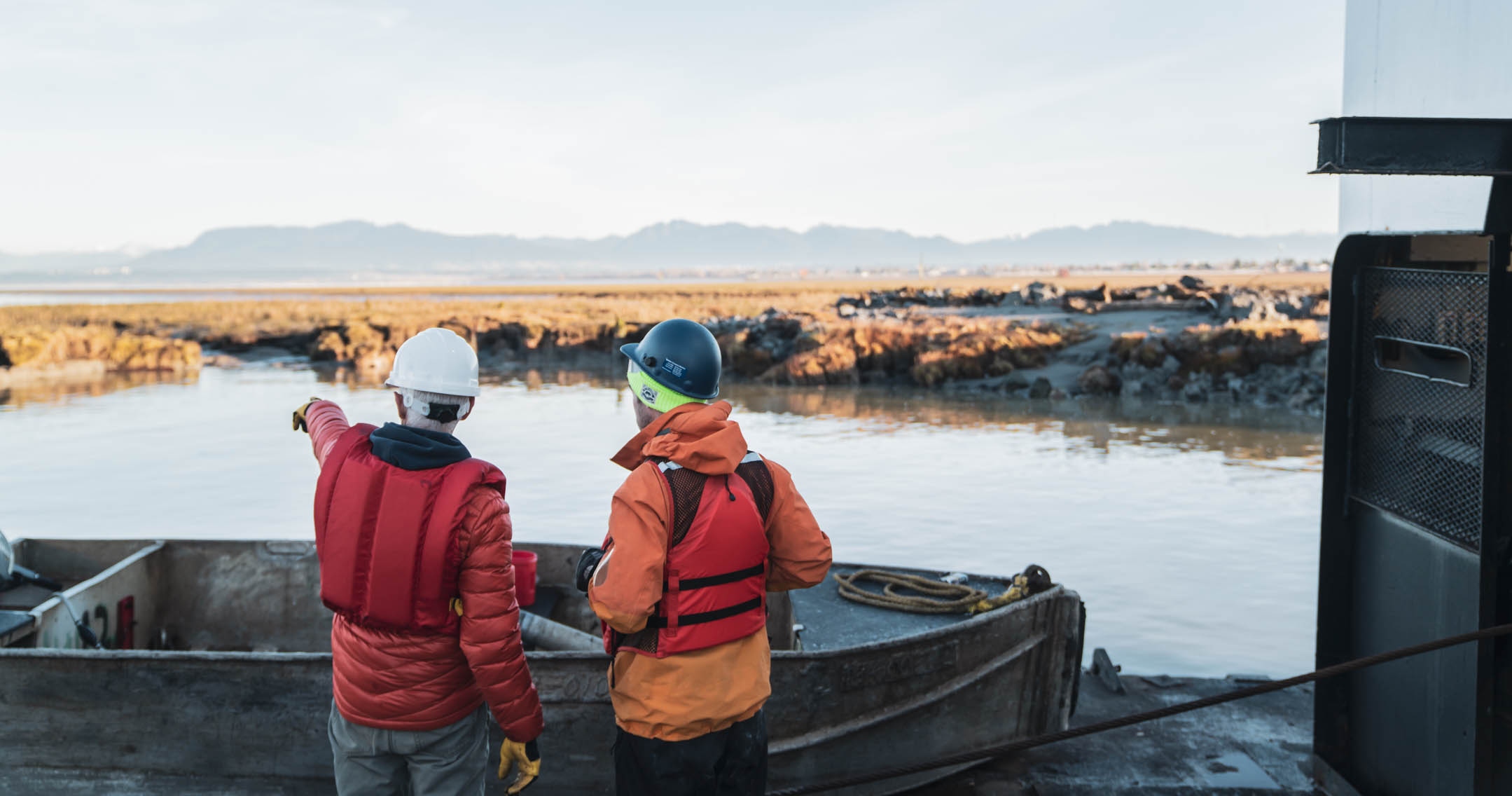
For over 30 years, Raincoast Conservation Foundation has worked to understand and protect the ecosystems of the central coast of British Columbia, a region referred to as the Great Bear Rainforest. Rather than being defined by its few mighty arterial rivers, the region is threaded by thousands of small salmon streams, each infusing the landscape with nutrients from the sea like capillaries. These streams wind through ancient trees, weaving a complex network of interdependence between the land and sea, supporting an environment rich with coastal wildlife.
Since Raincoast began our work in the Great Bear Rainforest in the mid 1990s, this region has experienced significant change. Chum salmon have declined by upwards of 90% since 1960. Industrial forestry has targeted much of the long-lived, productive forest in rich valley bottoms. And the region’s remoteness has not safeguarded it against the effects of climate change.
But some things have remained unchanged. The Haíɫzaqv (Heiltsuk) Nation, in whose territory Raincoast’s work has taken place, has continued to govern and steward the land as it has for more than 14,000 years. Guided by Haíɫzaqv principles, Raincoast is looking ahead to the next three decades of work, undertaking new research to deepen our ecological understanding of this unique region – and what’s at stake – in a rapidly changing world.
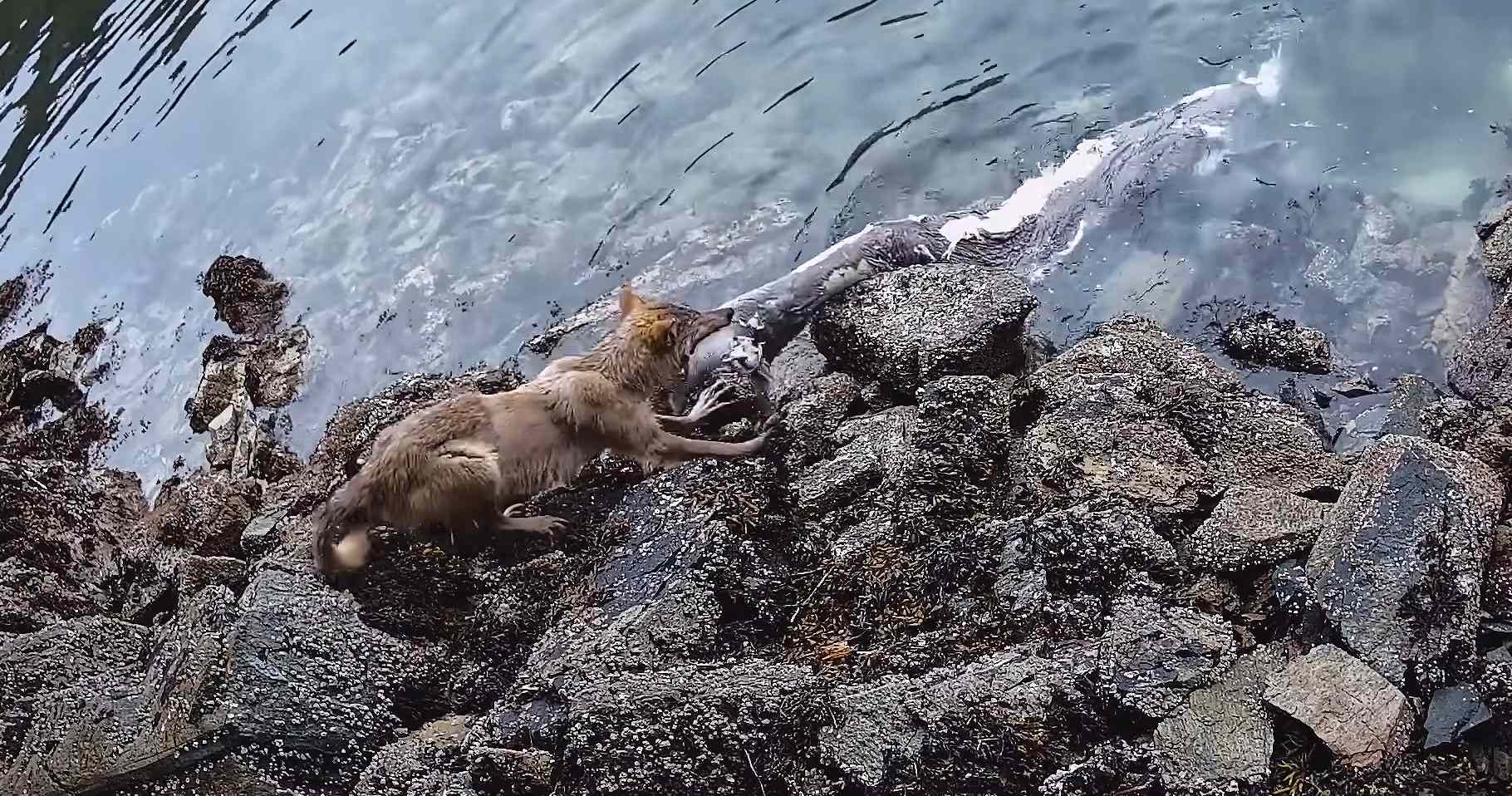
In partnership with the Heiltsuk Integrated Resource Management Department, we’ve embarked on a large-scale wildlife monitoring program, with remote cameras capturing wildlife activity across 25 watersheds in their vast territory. Building on more than a decade of grizzly and black bear research – itself catalyzed by the Haíɫzaqv – this new monitoring program advances our understanding of the complex ecology of coastal wildlife to support evidence-based decision-making.
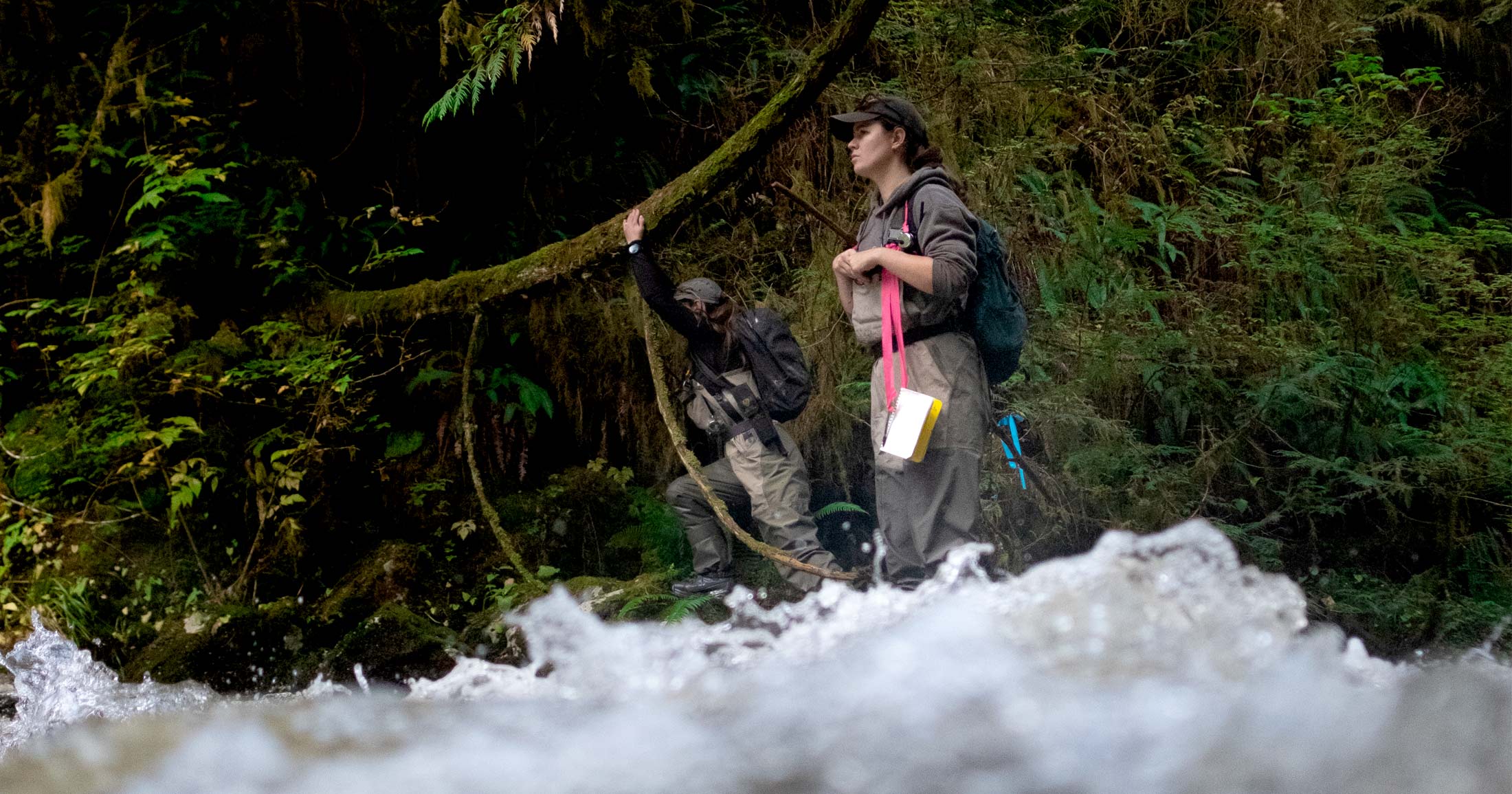
We’ve also been working to fill long-acknowledged gaps in wild salmon monitoring. In 2002, we released our Ghost Runs report, documenting the simultaneous erosion of both wild salmon populations and the monitoring systems meant to track them. Recently, we’ve been collaborating with Dr. John Reynolds at Simon Fraser University to continue his long-term monitoring of pink and chum streams in the region, which he began in 2007. This research has doubled the number of enumerated streams in Haíɫzaqv Territory and helps fill crucial information gaps in a data-limited area of the coast. It has also significantly advanced our understanding of how salmon shape and sustain terrestrial ecosystems. We now look forward to advancing this project as it enters its third decade.
Influenced by the Haíɫzaqv understanding that the land and sea have no boundaries, we envision a formal integration of our wildlife and salmon work. Combining these efforts will bring new and actionable insights for conservation.For the next 30 years, we commit to doing what we’ve always done: Investigate, Inform, Inspire.

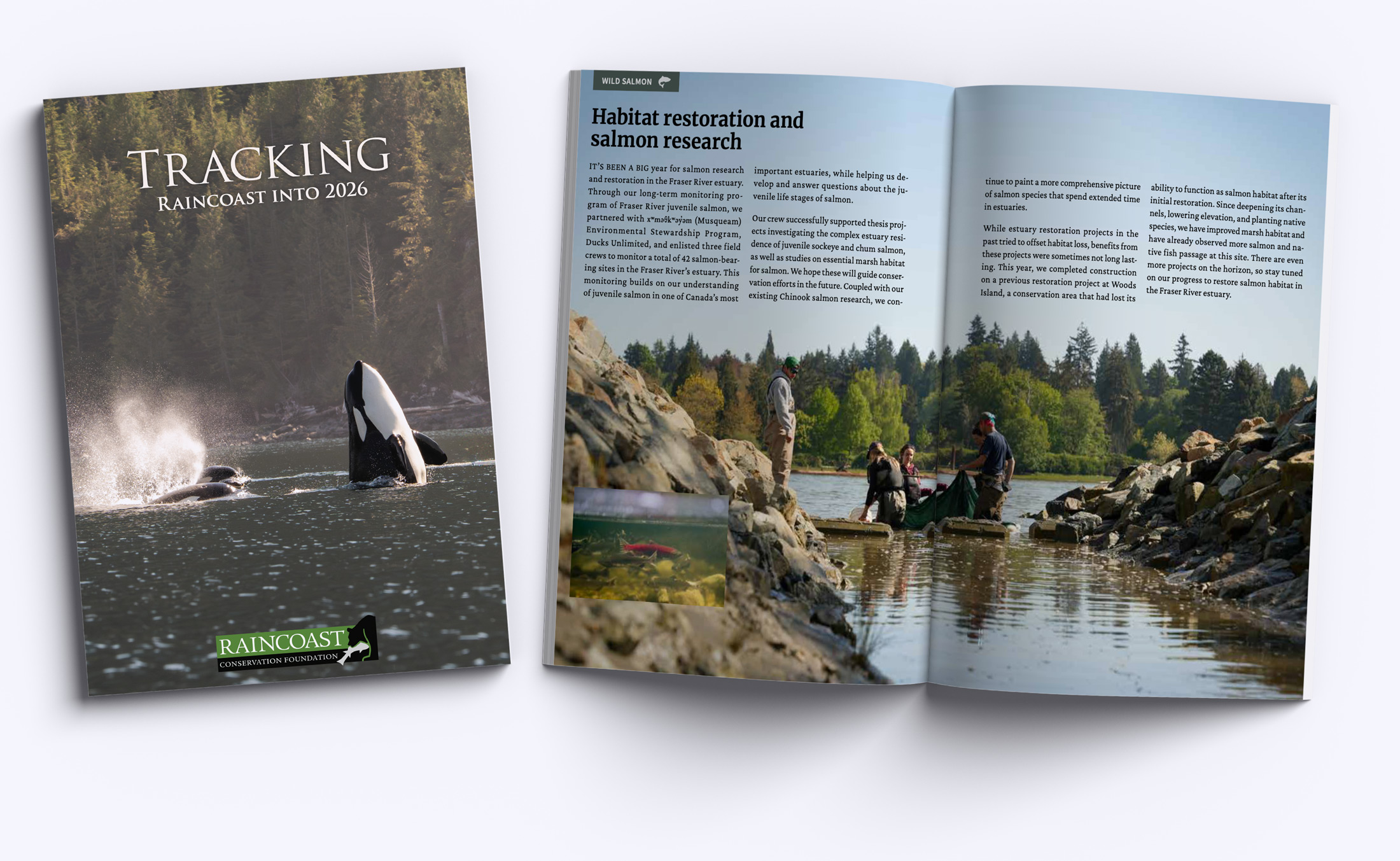
This is an excerpt from our annual report, Tracking Raincoast into 2026.