Economic study shows coastal bears worth far more alive than dead
For Immediate Release: January 7, 2014
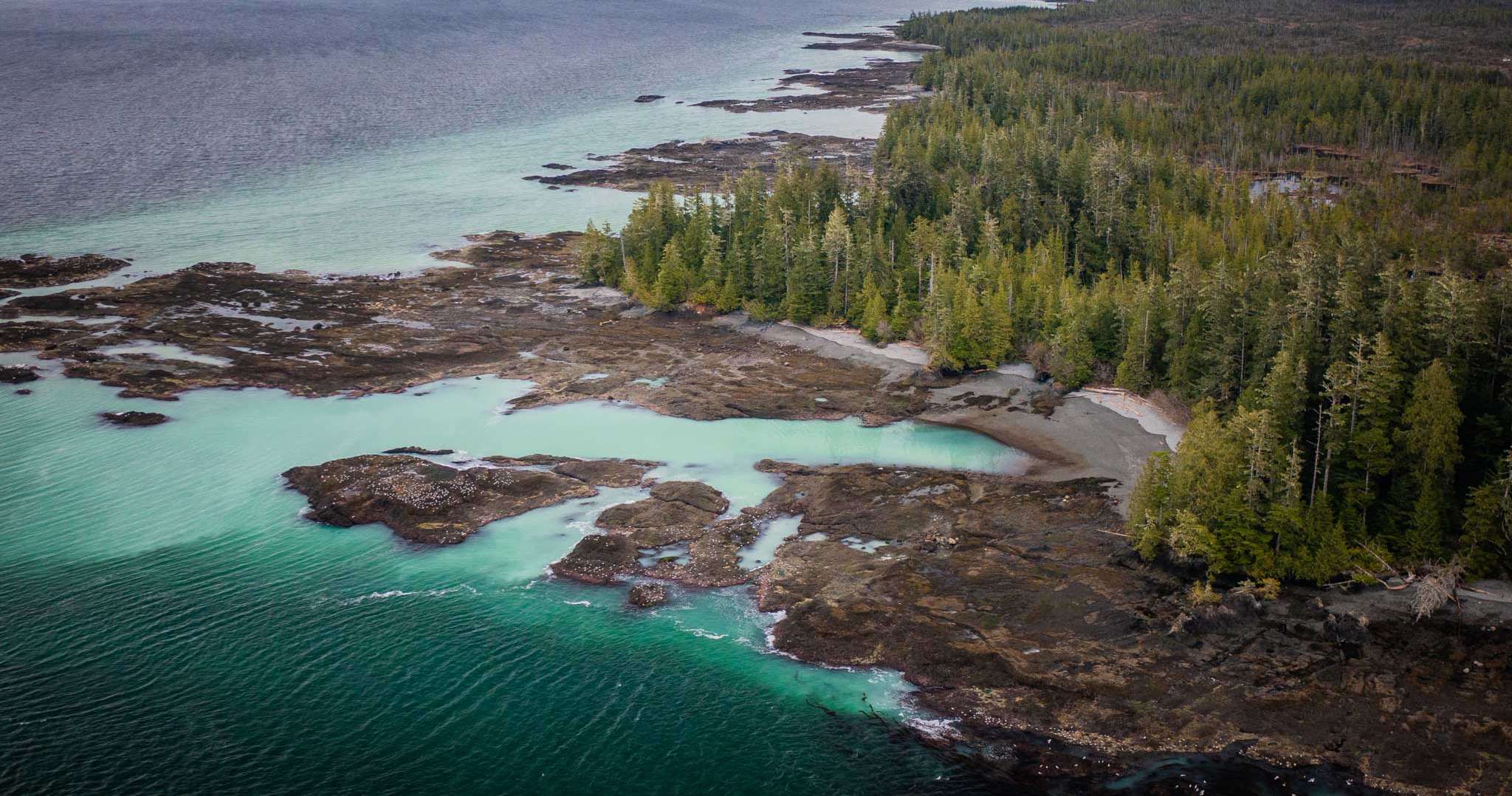
Sidney, British Columbia – A new economic study released today shows once again that grizzly bear viewing is worth far more to the provincial economy than the trophy hunting of these iconic animals on the coast of BC. The study by the US-based Center for Responsible Travel (CREST), titled “Economic Impact of Bear Viewing and Bear Hunting in The Great Bear Rainforest of British Columbia,” calculates that bear viewing in the Great Bear Rainforest generates more than 10 times the employment, tourist spending, and government revenue compared to hunting in the same area.
“This study confirms what Coastal First Nations, the coastal eco-tourism industry and conservation groups like Raincoast have been pointing out for years; keeping grizzly bears alive generates significantly greater economic benefits than killing them via trophy hunting,” said Chris Genovali, executive director of Raincoast Conservation Foundation.
“There is no ecological or ethical justification for continuing to kill BC’s grizzly bears for sport; the CREST study shows there is no economic justification for the killing as well,” said Brian Falconer, Raincoast’s Guide Outfitting Coordinator. “Bear viewing affords the type of economic opportunities that are consistent with the values held in Coastal First Nations communities. In addition, polls have consistently shown that trophy hunting of bears is opposed by 9 out of 10 British Columbians.”
In September 2012, Coastal First Nations (CFN) announced a ban on trophy hunting for bears in the territories of all nine member nations, which closely correspond to the area known as the Great Bear Rainforest. However, the BC government has ignored the CFN declaration of Tribal Law and continues to facilitate the trophy hunting of coastal grizzly bears throughout the Great Bear Rainforest.
–30–
Raincoast Contacts: Brian Falconer 250-715-6024 (brian [at] raincoast [dot] org), Chris Genovali 250-888-3579 (chris [at] raincoast [dot] org).