

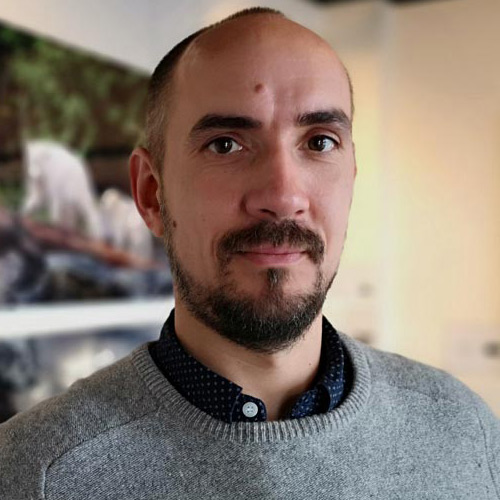
Ross Dixon
Ross works with Raincoast’s Executive Director, senior colleagues, partners and consultants to direct communications and development activities in support of conservation programs and organizational needs.
- Designing and delivering fundraising and communications campaigns to secure over a million dollars for the acquisition of hunting tenures in the Great Bear Rainforest with the support of Coastal First Nations.
- Development of a Lower Fraser Salmon Conservation Program that includes a multi-million dollar restoration program, research partnerships and collaboration with Indigenous-led organizations.
- Implementation of new systems to remotely deliver communications and fundraising activities.

Join us for a screening of the award winning film, Trophy
Join us for a screening of Trophy and an ensuing discussion about the bears and grizzlies that are killed worldwide and in British Columbia for their heads, paws and hides…

Roundhouse Radio 98.3 interview with Thomas Reissmann and Ross Dixon
Listen to Ross Dixon and Thomas Reissmann speak to the recent release of Reissmann’s important documentary, The Grizzly Truth, and the myths and facts surrounding the commercial trophy hunting of grizzly bears…

How to find the Grizzly Bar
We just wanted to let people know that the Grizzly Bar is ready and shipping and will be available very soon. It’s not going to be everywhere though. But there’s always options…

Eat chocolate, save bears, win an epic trip
Denman Island Chocolate is helping us protect bears in the Great Bear Rainforest. They’ve made a new Grizzly Bar to support our work stopping the commercial trophy hunt. And they’ve generously created an opportunity for someone else to have an epic trip…

Notes from the Great Bear
Ross Dixon writes about his experience joining Raincoast’s fall “grizzly hunt” and his wildlife excursion in the Great Bear Rainforest…

We are all Directly Affected by Kinder Morgan’s proposal
Chris Genovali & Ross Dixon / Huffington Post
Numerous risks associated with Kinder Morgan’s proposal could adversely affect people and wildlife locally, regionally, and globally…