

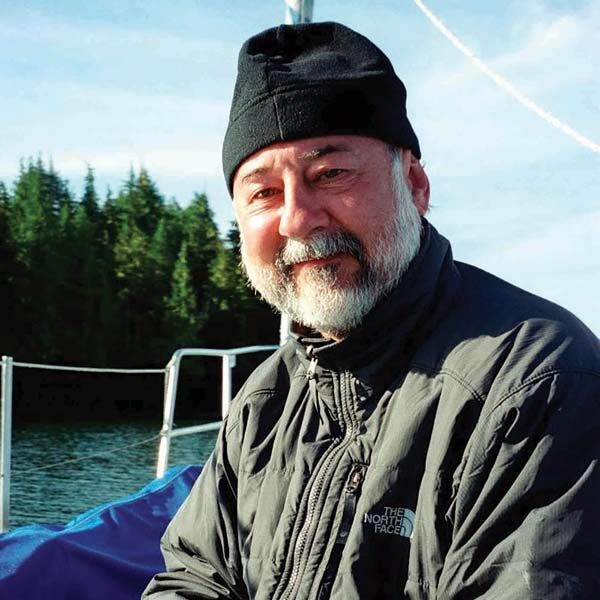
Paul Paquet, PhD
Senior Scientist
Dr. Paul Paquet is a Senior Scientist at Raincoast and the Wolf Program’s head research advisor. He holds graduate degrees in philosophy, biology, wildlife behaviour and conservation, and a PhD in zoology from the University of Alberta. With over four decades of scholarly and applied research experience worldwide, Dr. Paquet is recognized internationally as an authority on mammalian carnivores, especially wolves and other wild canids. He has written more than 200 scientific articles and reports and published several books on the complexities of wolf management, including characterizing wolf (sub)species, their ecology, and behaviour.
Dr. Paquet serves on many international government, industry and NGO advisory committees, including the Environment Canada, US Fish & Wildlife Service, Caribou Scientific Advisory Committee for Saskatchewan, WWF International, the Large Carnivore Initiative for Europe, the European Union, Species Survival Commission (SSC) of IUCN-World Conservation Union, and International Union for Conservation of Nature (IUCN) Canid Specialist Group.In addition, Dr. Paquet is an Adjunct Professor of Geography at University of Victoria. Additional academic appointments include Adjunct Professor of Biology and Associate Professor of Environmental Design at the University of Calgary; Adjunct Professor at University of Saskatchewan College of Veterinary Medicine, Adjunct Professor of Biology at Brandon University, Adjunct Professor of Zoology at University of Manitoba; and Faculty Associate at Guelph University, and University of New Brunswick.
Recent articles
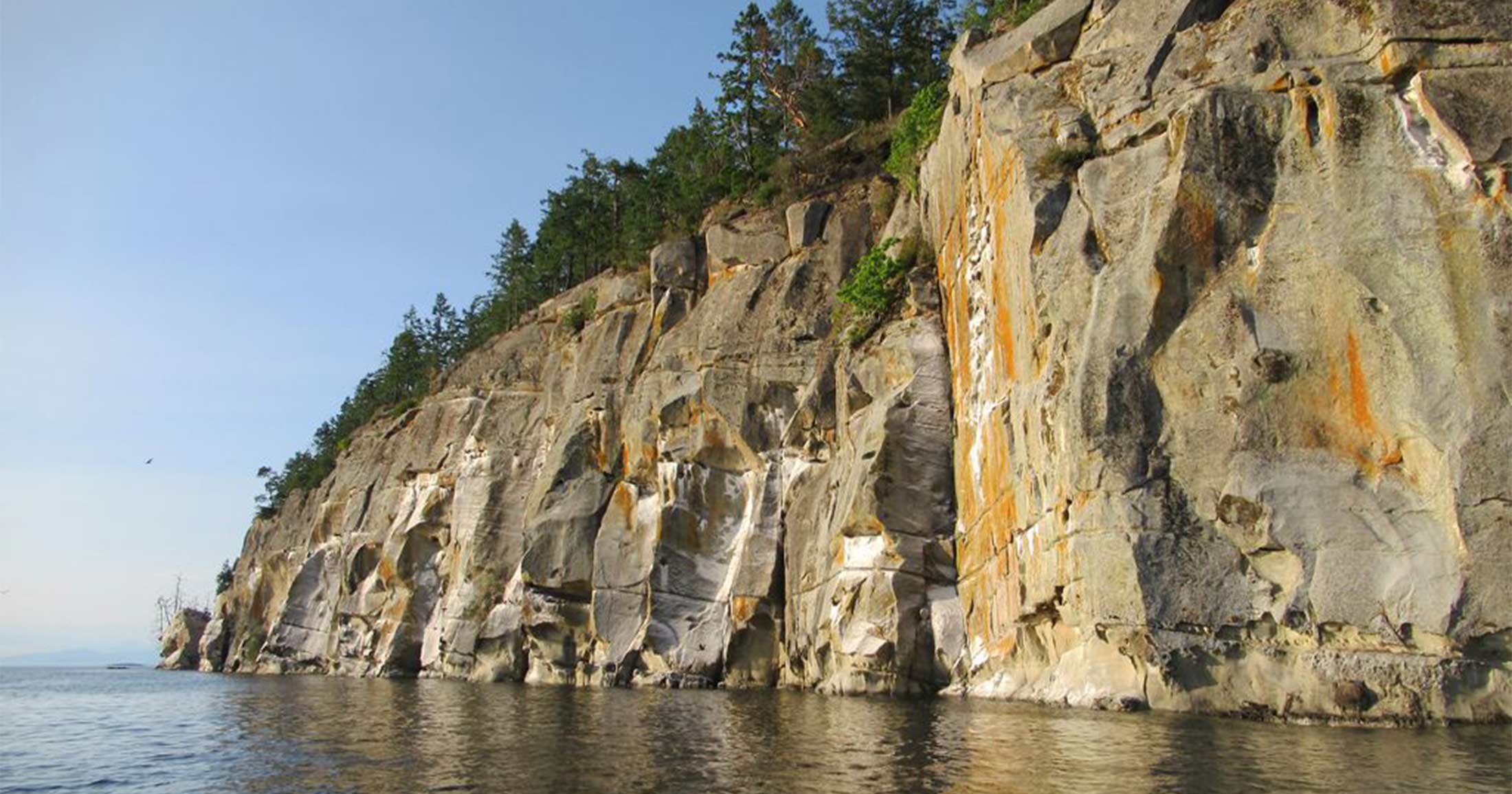
The story of Coastal Douglas-fir forests: All about Gabriola Island
This installment is the second in a series of several…
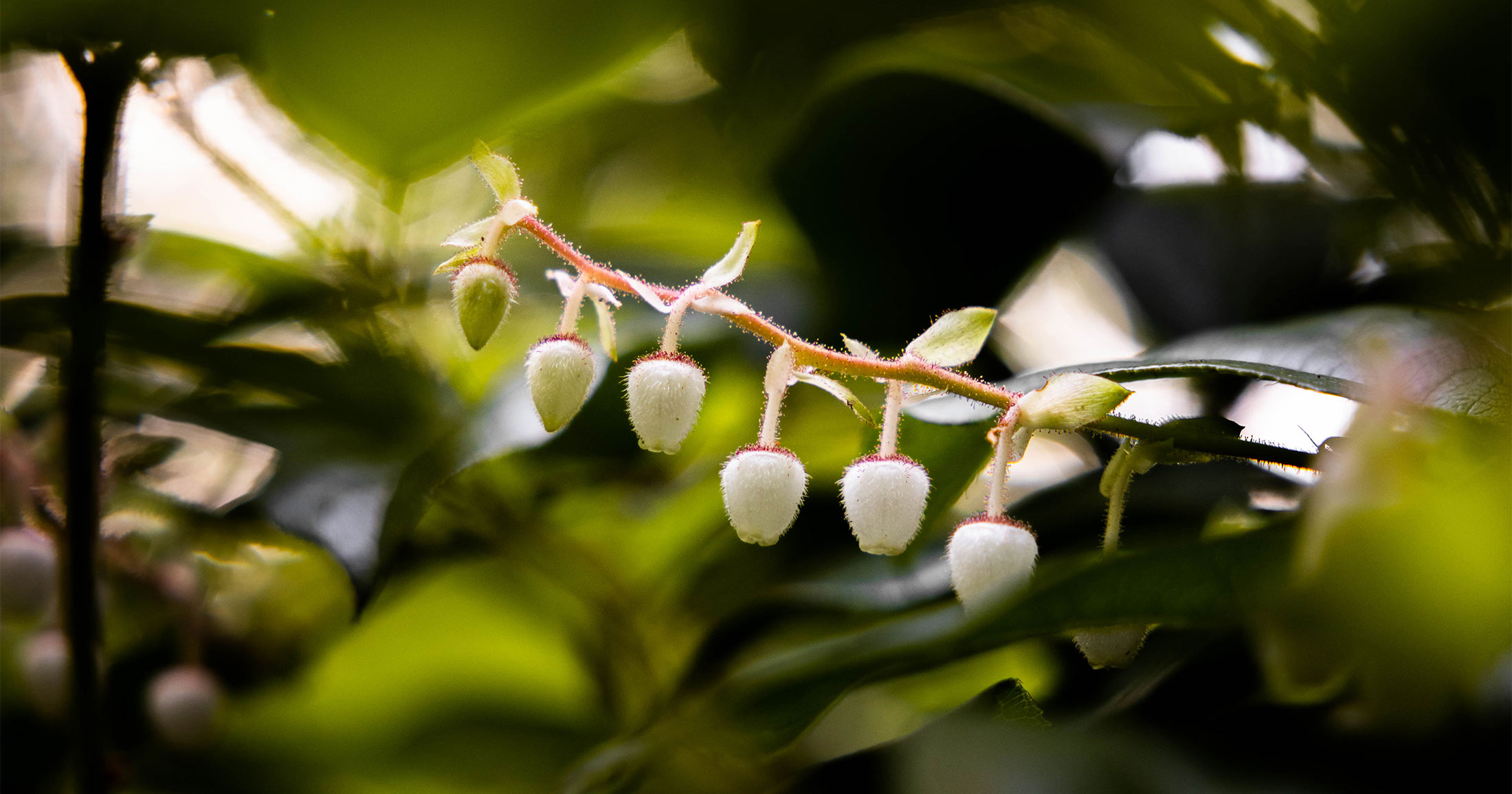
Field Notes from S,DÁYES Flycatcher Forest
Field notes from a group of youth learning about restoration…

Meet Pascale Campagna-Slater, Education Program Coordinator
We are excited that Pascale Campagna-Slater joined our team this…
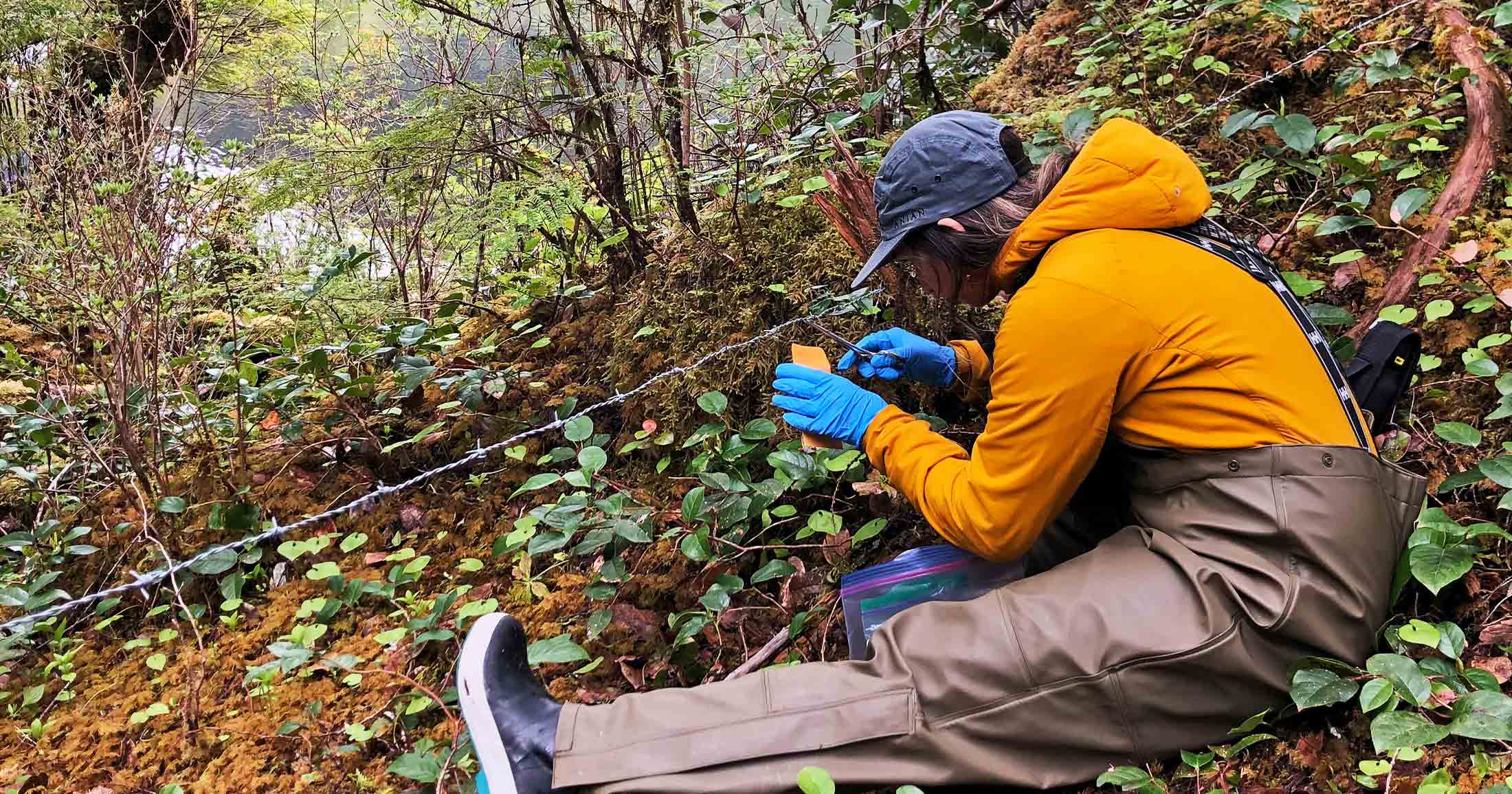
Collecting bear hair: more than a field season
The Bear Project, originally started in 2006 by William Housty…
Next steps for Project TEACH
We must work together toward local solutions.
Maxwell Creek Watershed Project Field Files Part 2: Developing surveying methodologies
The project takes a watershed-wide scope to improve understanding of…