

Lauren Duboisset-Broust, MSc
Development Director
Lauren holds a MSc degree in Sustainable Development from Uppsala University, Sweden. Her master thesis dealt with Indigenous-led biodiversity conservation through the analysis of two case studies: the Saami in Laponia and the Izocenos in Bolivia. She’s lived and worked in multiple countries including France, Peru, Mexico, and Ecuador, before making the decision to move to British Columbia years ago.
Lauren has been invested in various local environmental organizations such as Swim Drink Fish, the Marine Mammal Rescue Center, or EcoNova Education. Lauren is based out of the North Shore and can be found swimming in the ocean or bike touring with her family on one of the Gulf Islands.
She’s happy to be part of the Raincoast team to protect the emblematic species she grew up dreaming about.

Recent articles

We are back with the fourth edition of the Raincoast Ocean Science Awards!
An evening to celebrate coastal conservation at the Vancouver Aquarium.

Canada has the policy tools to protect Pacific salmon. Why aren’t they working?
A new peer-reviewed perspective examines why decades of ambitious conservation…

When turkey vultures attack
How a bird with incredible aim almost ended a day…

Wolves role in healthy ecosystems
Protecting wolves protects the ecological processes that sustain life across…
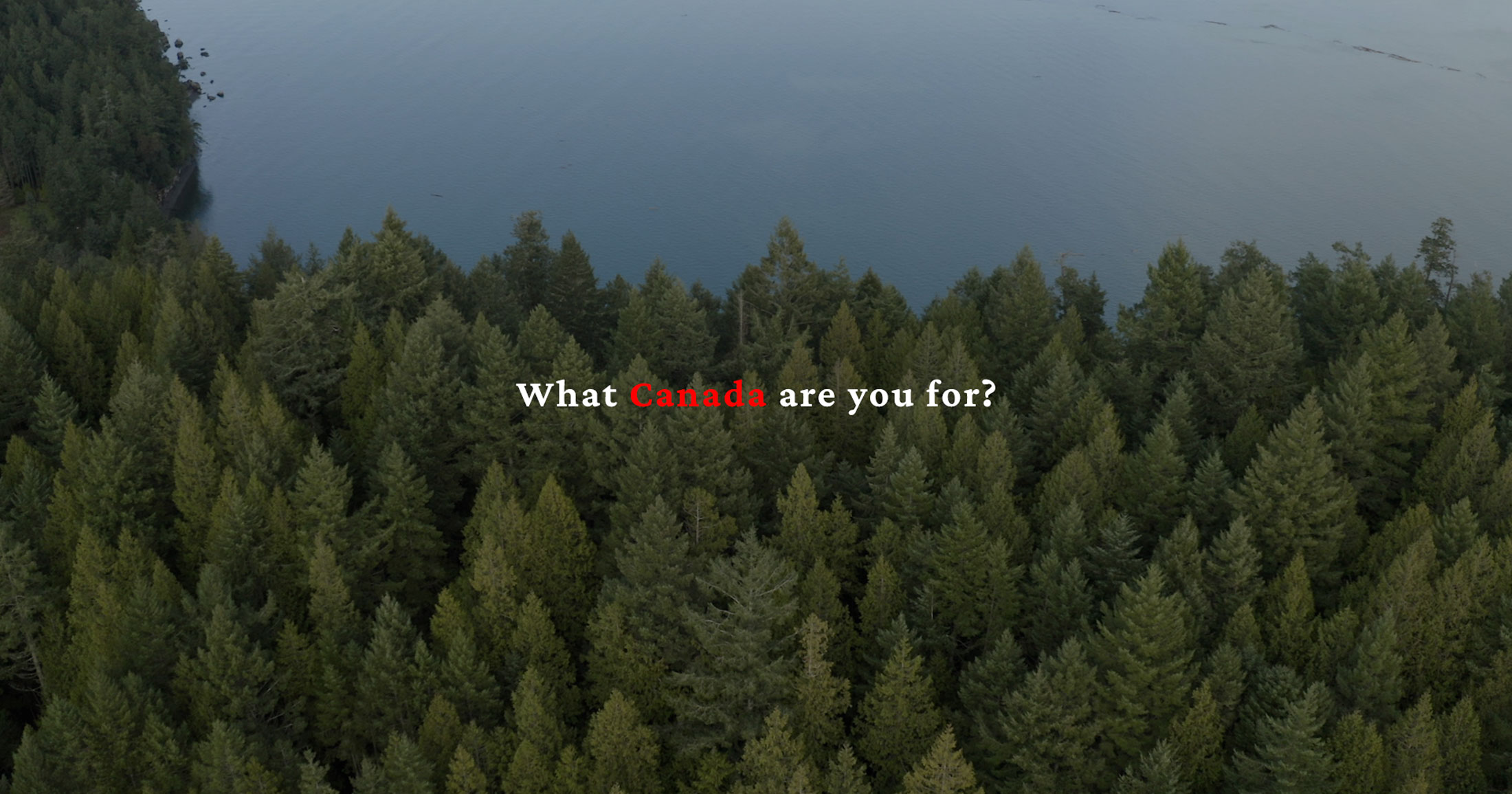
Prime Minister Carney recently asked what Canadians ‘are for’
Here’s our answer.

Raincoast scientist gives testimony to Government of Canada on the threat posed by plastic pollution
This month, a standing committee of the House of Commons…