Skip to content
Raincoast Conservation Foundation logo with bear and salmon icon.Raincoast Conservation Foundation icon.
  • Give killer whales a voice
  • What we doExpand
    • Living Economies
    • Wild Salmon
    • Healthy Waters
    • Wolf Conservation
    • Safeguard Coastal Carnivores
    • Cetacean Conservation
    • Forest Conservation
    • Youth Education
    • Research vessel
    • Southern Resident killer whales
  • ScienceExpand
    • Peer-reviewed publications
    • Reports and books
    • Mapping
    • Conservation Genetics Lab
    • Applied Conservation Science Lab
  • AboutExpand
    • Team
    • Raincoast Ocean Science Awards
    • Tracking Raincoast
    • FAQ
    • Events
    • Raincoast store
  • newsExpand
    • Latest
    • Videos
    • Raincoast Radio
    • Press releases
    • Media contacts
Donate
Raincoast Conservation Foundation logo with bear and salmon icon.Raincoast Conservation Foundation icon.

What's new // legacy 2

legacy 2

Notes from the field
Raincoast Radio
Conservation updates
Raincoast updates
Press releases
Science literature
Reports and books
Investigate and inform
Backgrounders
Map science
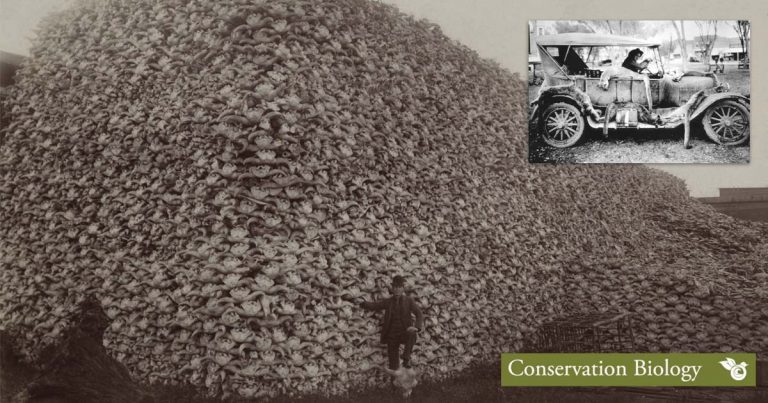
  • A giant pile of bison bones loom over a person standing beside it.
    Scientific literature

    Research: Differentiating between regulation and hunting as conservation interventions

    2019 February 112025 April 7

    Wildlife conservation literature and public discourse, too often gloss over the important difference between hunting and the regulation of hunting. This is so common that there is a persistent, misinformed idea that extinctions have been avoided through the act of hunting. Historically, the regulation of hunting, not hunting itself, has averted extinction…

    Read More Research: Differentiating between regulation and hunting as conservation interventionsContinue

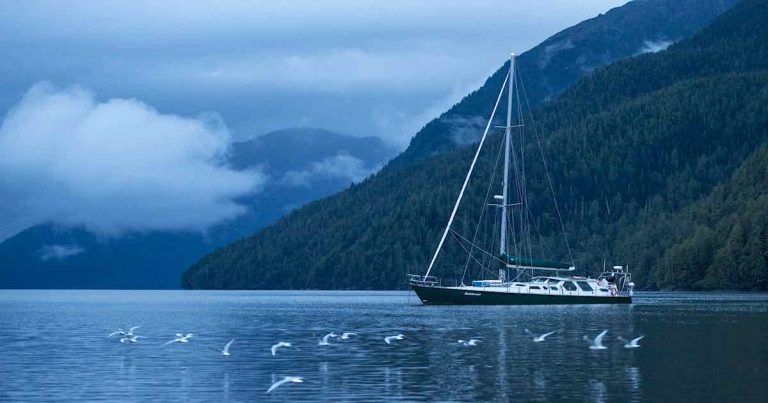
  • Achiever rests on the waters of the Great Bear Rainforest at sunset.
    Notes from the field

    Join us in the Great Bear Rainforest in 2019

    2019 February 52024 October 8

    We watch as her three little cubs slowly take to the high water and make their way to mom. They graze on roots, and search for salmon carcasses that simply aren’t there. The cub’s curiosity…

    Read More Join us in the Great Bear Rainforest in 2019Continue

  • The Achiever with a misty mountain in the background.
    Raincoast updates

    April conservation expedition with Raincoast’s Dr. Paul Paquet

    2019 January 312024 July 8

    As Raincoast’s Senior Scientist, and a world renowned large carnivore expert, Paul’s input is key to guiding our research and conservation programs in both the Great Bear Rainforest and the Salish Sea. Paul will provide insight into key conservation issues on BC’s coast including…

    Read More April conservation expedition with Raincoast’s Dr. Paul PaquetContinue

  • Hair samples in the field of bears.
    Notes from the field

    Advancing non-invasive approaches for monitoring wildlife: considering the ethics of developing new techniques

    2019 January 282024 July 8

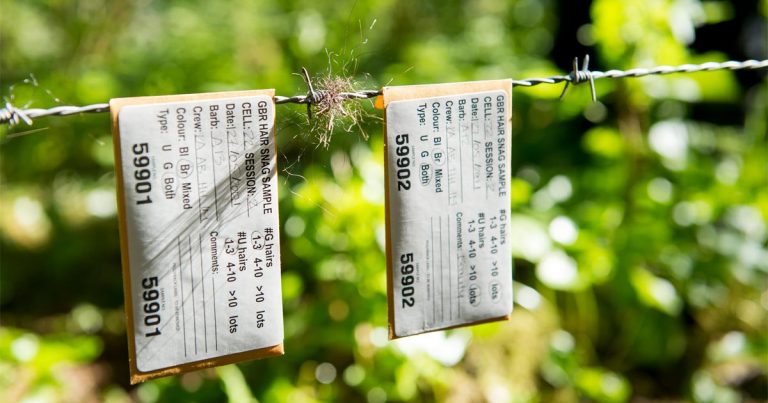
    A theme that underlies our research in the Applied Conservation Lab is that we aim to apply methods that are minimally invasive to wildlife. This ethos emerges in large part from our partners in First Nations communities, who have taught us many important lessons about respecting the people, places, and animals where we work. Our…

    Read More Advancing non-invasive approaches for monitoring wildlife: considering the ethics of developing new techniquesContinue

  • Chris Darimont looking off into the distance on the river with the sun coming through trees in the background.
    Raincoast updates

    Meet the team of applied conservation scientists at the University of Victoria

    2019 January 232024 July 8

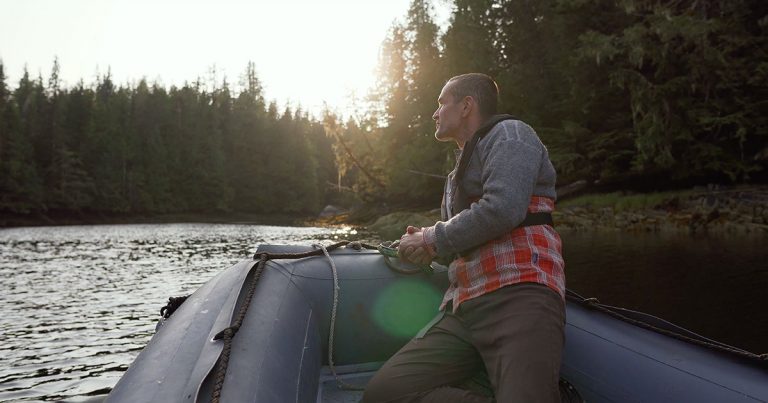
    Last year the Raincoast lab at UVic marked an important new milestone with the creation of the Raincoast Chair in Applied Conservation Science at the University of Victoria. This five year Chaired Professorship allows us to expand our research, teaching and outreach programs in community-driven applied conservation science. Our long-term vision is to train next…

    Read More Meet the team of applied conservation scientists at the University of VictoriaContinue

  • Southern Resident killer whales swim by in the Salish Sea.
    Conservation updates

    Southern Resident killer whales need more than luck

    2019 January 212024 July 8

    The reality is that calves like Lucky only have a 40% chance of survival. More sobering still is the fact that no calves have survived in this population in the last three years. This is why we have stopped using images…

    Read More Southern Resident killer whales need more than luckContinue

  • A Southern Resident killer whale slaps their tail in the Salish Sea.
    In the media

    L124 is the newest member of the Southern Resident killer whales

    2019 January 152024 July 8

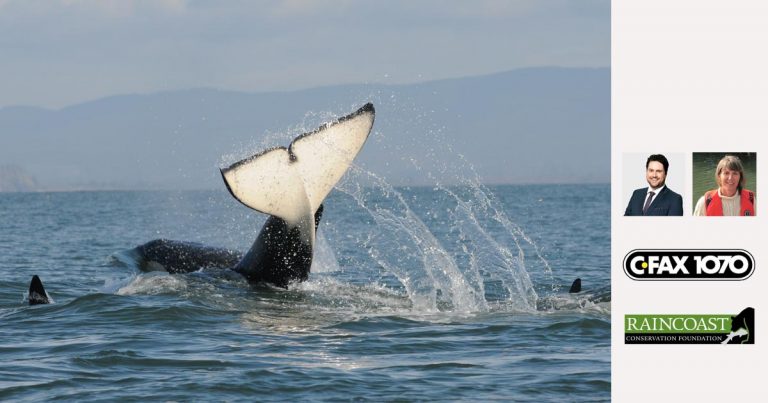
    Listen to Misty MacDuffee explain some of the context around the recent birth of L124 in the Salish Sea. Declines in Chinook abundance, especially to the Fraser, are affecting killer whale behaviour patterns, fertility and survival…

    Read More L124 is the newest member of the Southern Resident killer whalesContinue

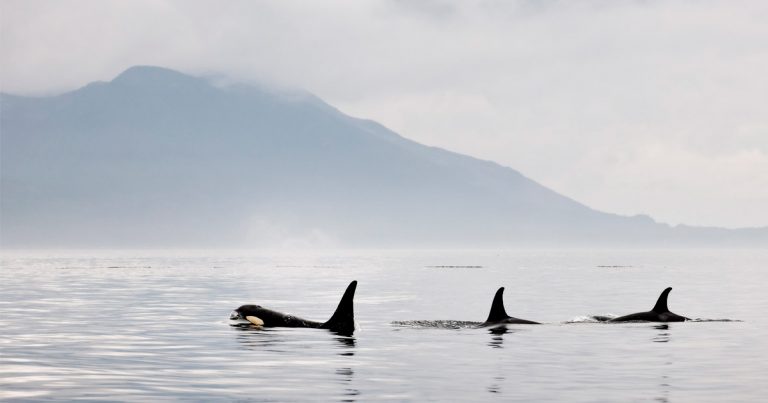
  • Southern Resident Killer Whales in the Salish Sea.
    Raincoast updates

    Why Southern Resident killer whales, and the Salish Sea, need your help

    2019 January 102024 October 23

    The Southern Resident killer whales are critically endangered. 1 2 After years of legal, scientific, and public outreach efforts requesting concrete action from federal agencies, Raincoast Conservation Foundation, David Suzuki Foundation, Georgia Strait Alliance, Natural Resources Defense Council and World Wildlife Fund-Canada, represented by Ecojustice, filed a lawsuit in September 2018 to compel the government…

    Read More Why Southern Resident killer whales, and the Salish Sea, need your helpContinue

  • A collage of images and graphs from a published peer reviewed article on salmonid species diversity and bear health: Hakai, Raincoast, University of Victoria, and Spirit Bear Foundation logos at the bottom.
    Scientific literature

    Salmon species diversity predicts salmon consumption by terrestrial wildlife

    2019 January 72024 October 8

    Research by scientists at Spirit Bear Research Foundation, Raincoast Conservation Foundation, and the University of Victoria, led by Christina Service, shows that salmon species diversity – the number of spawning salmon species available – is far more important and positively related to salmon consumption in coastal black bears than biomass abundance…

    Read More Salmon species diversity predicts salmon consumption by terrestrial wildlifeContinue

  • J50 and J42 in the Salish Sea.
    Investigate and inform

    Canada should rethink unproven, dangerous chemical ‘cleanup’ of marine oil spills

    2019 January 72024 July 8

    As noted, Corexit can also be toxic to wildlife. For some species, such as herring embryos, toxicity occurs because Corexit does what it was designed to do: increase the concentration of petroleum hydrocarbons in the water column. However, there is also a growing body of research, much of it conducted in response to the Deepwater Horizon disaster in 2010…

    Read More Canada should rethink unproven, dangerous chemical ‘cleanup’ of marine oil spillsContinue

  • Southern Resident killer whales J50 with her sister, J42, in July of 2018, swim by in the Salish Sea.
    In the media

    Misty MacDuffee joins Adam Stirling on CFAX 1070 to discuss Washington State’s billion dollar plan to aid killer whale recovery

    2019 January 42024 July 8

    Misty MacDuffee and Adam Stirling discuss the benefits and the shortcomings of Washington’s investment, the problem with dams, aid to Chinook hatcheries and new hatchery production. They discuss the genetic and ecological implications from hatcheries and why MacDuffee believes this makes them a poor investment for salmon recovery and Southern Resident killer whales.    …

    Read More Misty MacDuffee joins Adam Stirling on CFAX 1070 to discuss Washington State’s billion dollar plan to aid killer whale recoveryContinue

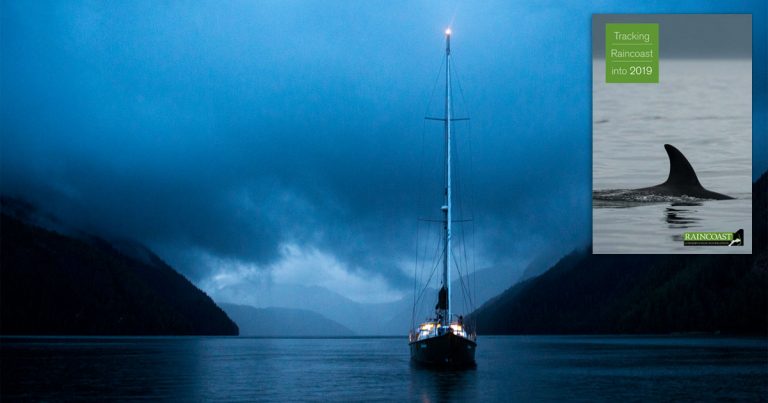
  • The Achiever rests at night on the BC Coast: Tracking Raincoast into 2019.
    Tracking Raincoast

    Tracking Raincoast into 2019

    2018 December 212024 July 8

    Raincoast science is contributing to a large and growing body of evidence that shows the current levels of Chinook abundance, ocean noise, vessel disturbance, and pollution, create conditions that make population recovery for the Southern Residents untenable…

    Read More Tracking Raincoast into 2019Continue

Page navigation

Previous PagePrevious 1 … 15 16 17 18 19 … 53 Next PageNext

Registered Charity Number in Canada

#889643565 RR0001
More information

Facebook Twitter Instagram YouTube Vimeo Linkedin
  • About Raincoast
  • Events
  • Career
  • Volunteer
  • Privacy policy

.eco profile for raincoast.eco

  • Subscribe
  • Mail a cheque
  • Raincoast Ocean Science Awards
  • Contact Us
  • FAQ
  • Newsroom
  • Press releases
  • Press assets policy
  • Publications
  • Backgrounders
  • Conservation ethics
  • Photography ethics
  • Notes from the field
  • Scientific literature
  • Backgrounders

© 2026 Raincoast | W̱SÁNEĆ Territory
Site supported by Pink Sheep Media.

Scroll to top
Search
  • Raincoast Conservation Foundation
  • Give killer whales a voice
  • What we do
    • Living Economies
    • Wild Salmon Conservation
      • Managing Salmon for Wildlife
      • Climate
      • Fisheries Management
      • Trans Mountain Expansion
      • Policy and Governance
      • Habitat Restoration
      • Roberts Bank Terminal 2
    • Healthy Waters
      • Spill response
      • Plastic pollution
      • Mobile lab
    • Wolf Conservation
      • Protect wolves
      • Coastal wolves
      • Wolf School
    • Safeguarding Coastal Carnivores
      • A 25 year history
      • GBR map
    • Forest Conservation
      • Land Trust
      • S,DÁYES Flycatcher Forest
      • KELÁ_EKE Kingfisher Forest
      • Big Tree Registry
      • Project TEACH
    • Cetacean Conservation
      • Cetacean Conservation Research
      • Beluga research
      • Whale Sanctuary Listening Station
      • Sunshine Coast Underwater Listening Station
    • Southern Resident killer whales
      • Ten years of work
      • Take action
    • Raincoast Education
      • Online education: Coastal Insights
      • Outdoor education
    • Achiever, research vessel
      • More about Marine Operations
      • Where are we?
      • Re-Power Achiever
  • Science
    • Publications
    • Reports and books
    • Mapping
    • Raincoast Lab
    • Genetics Lab
  • About Raincoast
    • Team members and staff
    • Tracking Raincoast
    • FAQ
    • Calendar of events
    • Raincoast Ocean Science Awards
  • News
    • Videos
    • Press releases
    • Media contacts
  • Donate
Facebook Twitter Instagram Linkedin
Search