Research, policy, and governance for Fraser River salmon
Our work will inform ecosystem requirements for a sustainable, terminal salmon fishery that is Indigenous-led and ecosystem-based.


What's new // Fraser River Estuary

Our work will inform ecosystem requirements for a sustainable, terminal salmon fishery that is Indigenous-led and ecosystem-based.
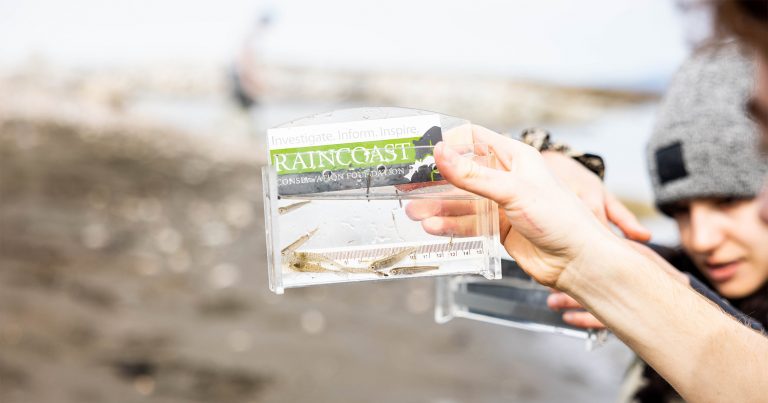
“Who’s ready to rumble?” yells Captain Sean, his jolly head poking out the port-side window of the BellaRose. I extend my hand to each of my six youth participants as they climb aboard the vessel. A warm salty breeze washes over me as we embark together on today’s project. This will be a good day….

New research shows that Wild Salmon populations in the Fraser can recover if action is taken now.

This work is part of our Fraser River Connectivity Project, our five-year restoration project to create openings in several of the man-made barriers in the Fraser Estuary that prevent the natural migration of juvenile salmon.

We urge you to consider supporting efforts to span the international border to recover our beloved salmon and Southern Resident killer whales.
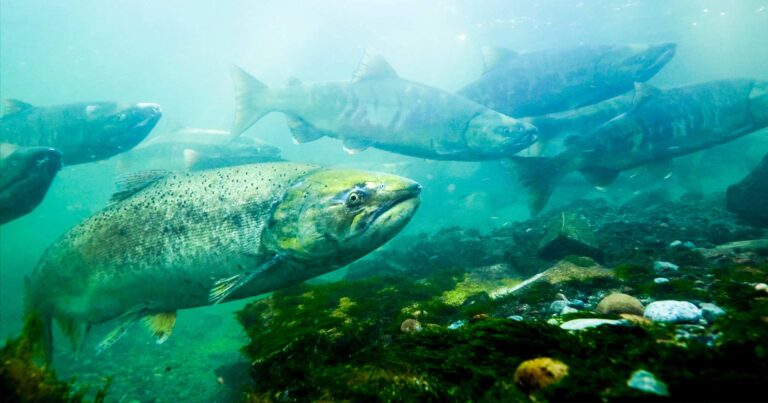
Globally, only 15.5% of the world’s coastal regions remain ecologically intact. In British Columbia, the Fraser River Estuary has already lost 85% of its floodplain habitat and over 100 species that live there are at risk of extinction. Now, they face another threat.
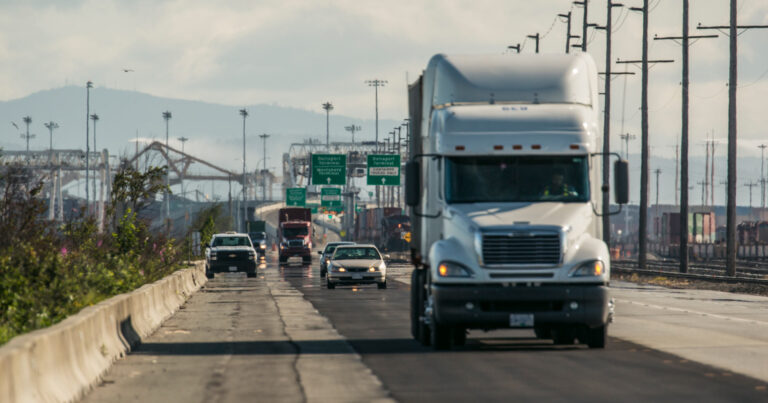
The Government of Canada is currently requesting public comments to decide on whether the Roberts Bank Terminal 2 expansion project should go forward. Until March 15th, supporters like you can take action to protect the Fraser River Estuary. Please consider taking five minutes to submit a public comment. We have made it very easy for…

The Fraser is one of the world’s greatest salmon rivers. Despite the Lower Fraser representing only 5% of the entire watershed, it supports more than half of the watershed’s Chinook and chum, 65% of its coho, 80% of its pink, and significant populations of sockeye salmon.

This collaborative work to recover wild salmon and restore the ecological resilience of the Lower Fraser River and Estuary is outlined in the Lower Fraser Salmon Recovery Brief.

The Soul of the Fraser by Ken Ashley, Director of the British Columbia Institute of Technology (BCIT), tells the story of the important intertidal habitat in the Fraser River Estuary.

Over the course of the Connected Estuary webinar series, we explored the connectivity and ecological importance of the Fraser River Estuary to a myriad of species, including Pacific salmon, Southern Resident killer whales and migratory birds.

In Episode 6, we will build on this learning with Morgan Guerin, a community member, past Councilor, and Senior Marine Planning Specialist for the Musqueam Nation. Morgan is also an artist who has developed materials for the c̓əsnaʔəm exhibit at the Musqueam Community Cultural Centre and he continues to share his knowledge, expertise and teachings through tool-kits for use in schools and other communities.