Recovery progress for endangered whales
2021 was the third year of collaborative efforts by the federal government, NGOs, and stakeholders to implement threat reduction measures.

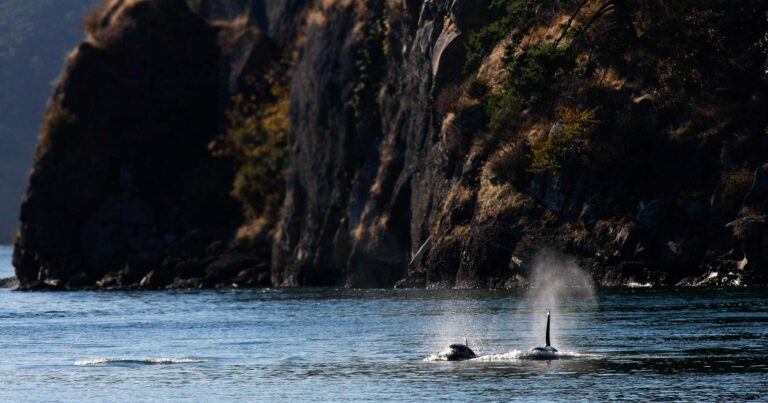
2021 was the third year of collaborative efforts by the federal government, NGOs, and stakeholders to implement threat reduction measures.
Mere days into our 18-month fundraising campaign, a $75,000 matching gift has been pledged.

As someone who has pursued a life-long journey as an environmental scientist, I find myself wondering whether today’s ‘science to policy’ paradigm is sufficient to safeguard British Columbia from the ravages of climate change and the loss of biodiversity.
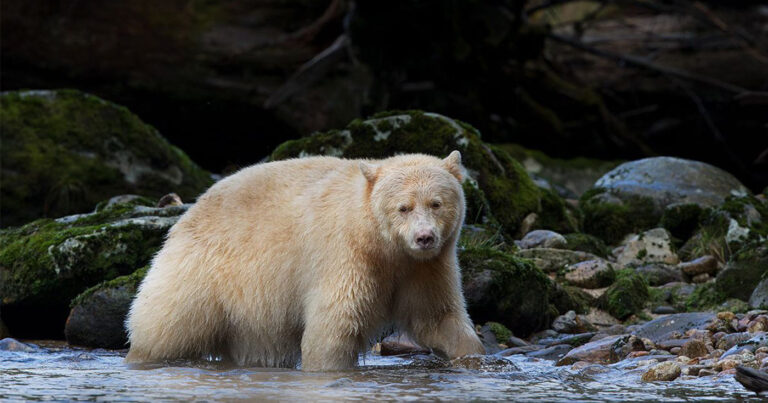
Eliminating commercial trophy hunting in the Great Bear Rainforest will give us and our guests on the Afterglow I the chance to enjoy thriving, healthy ecosystems and we are proud of the small role we played in making this happen.
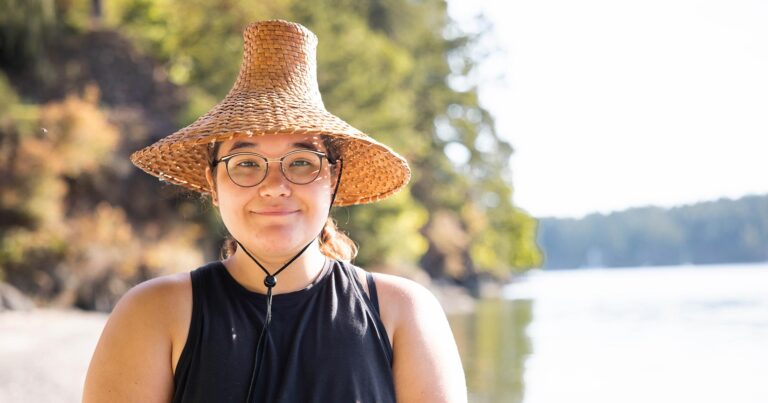
Working on Achiever gave the Reef Net crew the chance to learn about land restoration, and provided us with get hands-on experience removing invasive plants from QENENIW̱

Last week we launched our campaign to stop commercial trophy hunting in the Southern Great Bear Rainforest Tenure and we were met with so much support that we’ve already raised $145,110 of our total goal of $1.92 million – that’s 7%!

At 18,239 km2 it covers a quarter of the Great Bear Rainforest.

These are relevant questions to ask ourselves, the shipping sector, and government authorities alike.
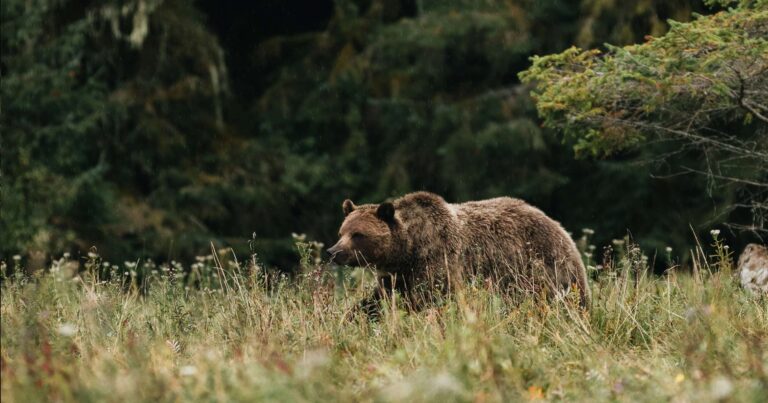
Working with our Coastal First Nations partners, our goal is to permanently end commercial trophy hunting of all large carnivores in the Great Bear Rainforest.

Raincoast recently began a partnership with Tsawwassen Nation to support Environmental Stewardship programming for youth. The program provided local youth with opportunities to learn about stewardship, environmental restoration and career development.

As Ecologists, we are interested in learning about organisms and their interactions, and who is better to learn from than those who so often have historical and contemporary connections to the lands and their living organisms for millennia?
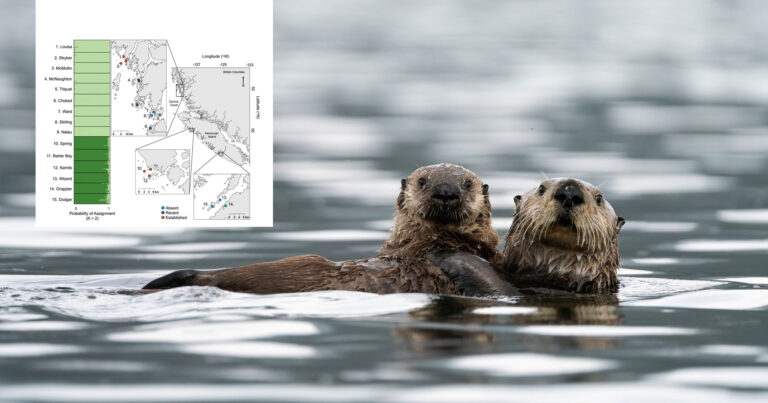
Contrary to how it may appear, it turns out that sea otters ripping up eelgrass actually does the plant – and the nearshore ecosystem – a favour.