Oil and chemical spill tracking

Spills of oil and chemicals into freshwater and ocean environments have killed fish, degraded habitat, and led to closures of commercial, recreational, and Indigenous fisheries. Raincoast’s Healthy Waters Program is positioned to collect data at the scene of a spill and collaborate with various organizations and First Nations to understand the impact of a spill. 

Tracker will host a number of rugged analytical instruments, and enable the measurement of several contaminants in the field, including coliform bacteria, nutrients, metals, pesticides, and tracers of wastewater effluent.
Photo by Peter Ross.
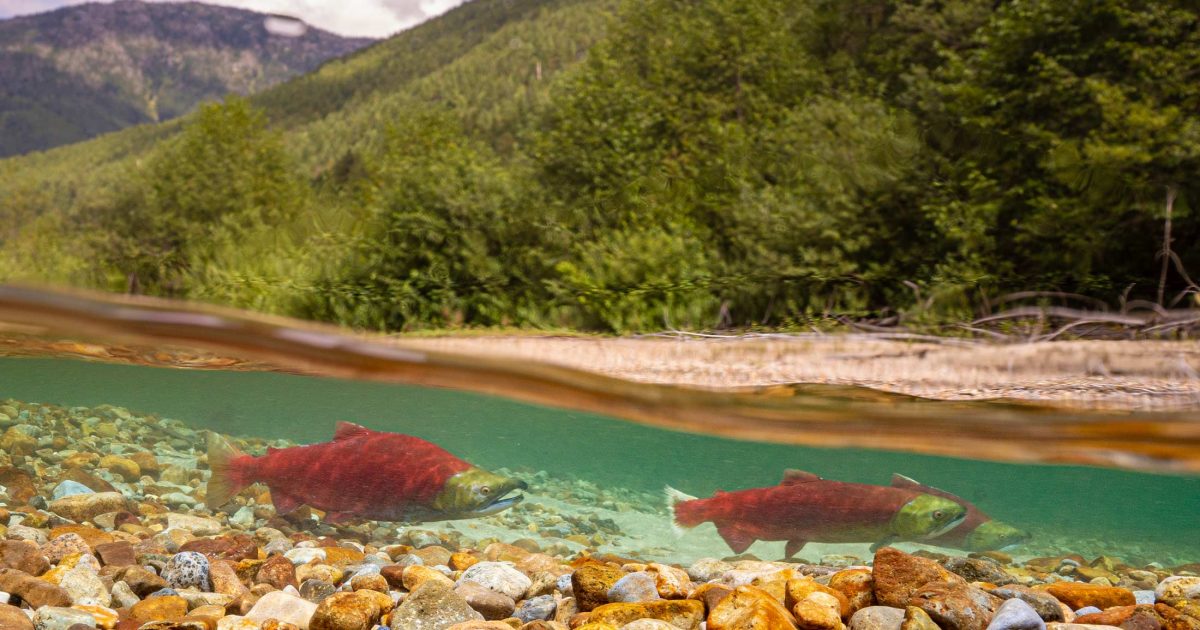
Two sockeye salmon swimming in a river.
Photo by Fernando Lessa.

Spills happen

Spills originate from all manner of accidents. The 2005 train derailment that spilled caustic soda into the Cheakamus River that killed 500,000 fish, The 2015 spill of 3,000 L of Bunker C oil from the MV Marathassa into English Bay. The 2020 fire aboard the MV ZIM Kingston in Juan de Fuca Strait that resulted in the loss of 104 mixed cargo shipping containers into the ocean. Each and every accident is bad news, and threatens the health of fish and whales, and contributes to the degradation of their habitats.

Being prepared is key

Given the sudden and unpredictable nature of oil and chemical spills, our oil and chemical spill response work entails being agile and available for support to First Nations, government agencies, and industry during a major spill. We are developing science protocols, and acquiring sampling kits, field equipment, and safety gear, and are poised to deploy our team to the scene of a spill. 

Being prepared on all fronts is key to limiting the damage from a spill. We recognize that with spills, it’s not a matter of if, but when. Research and monitoring to confirm the origin of the spill, track the fate of the spilled product, and monitor the recovery of ecosystem components routinely fails to be a priority. We will deploy expert capacity where and when needed, and work to prevent harm to valued ecosystem components.
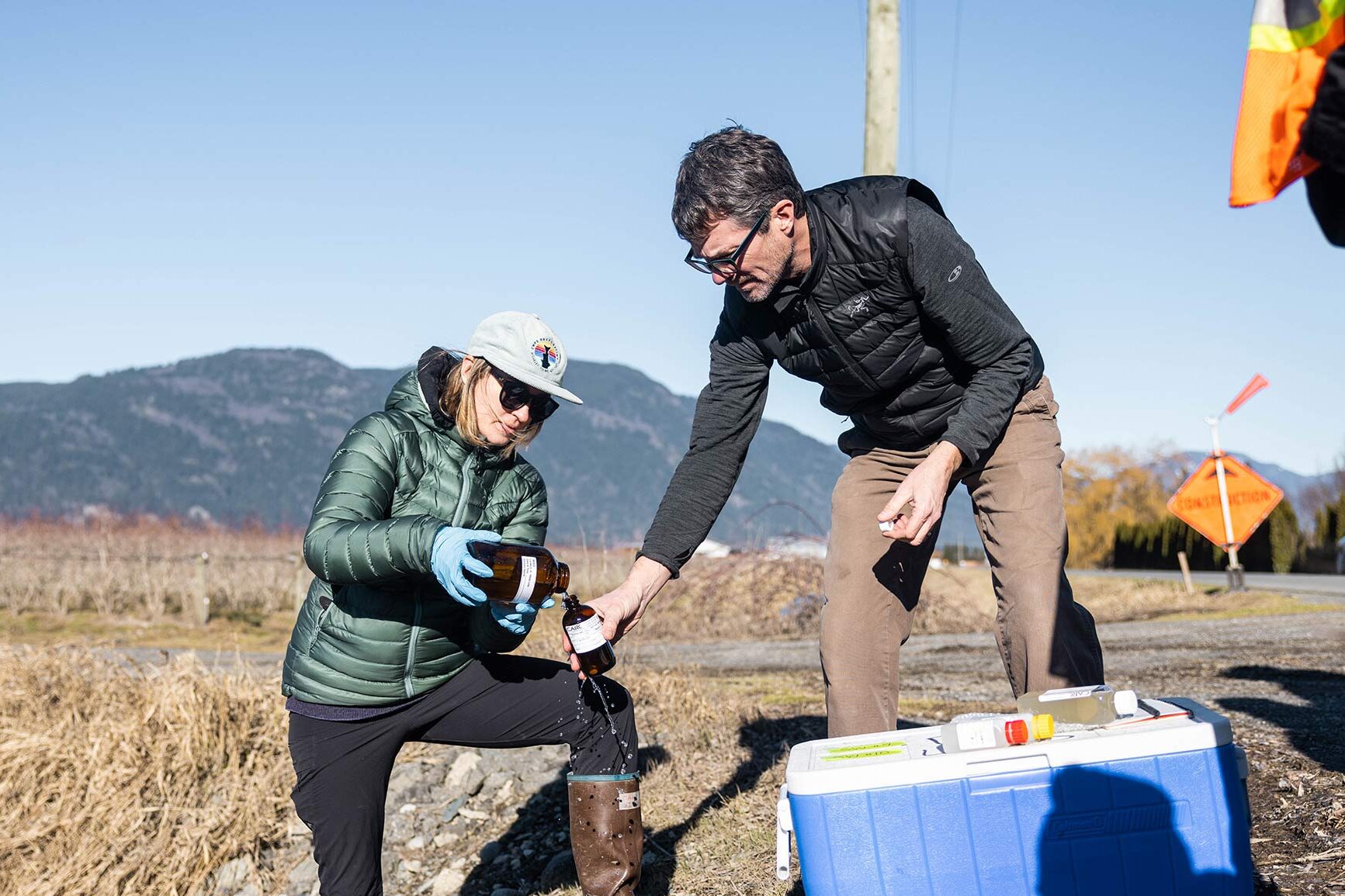
Two people working together to collect water samples in a farm field with the mountains in the background.
Photo by Alex Harris.
https://www.raincoast.org/reports/flood

Semá:th X̱ó:tsa (Sumas Lake) Floods of 2021

The catastrophic floods of late 2021 in southern British Columbia (Canada) and neighbouring Washington State (USA) destroyed homes, farms and businesses, with excess water spilling debris, animal carcasses and diesel fuel into historically productive fish habitat. 

We assembled a team to assess water quality in the former Semá:th X̱ó:tsa (Sumas Lake) area of the Fraser Valley over a seven-week period after the floods. We collected water samples from 11 surface water sites and four groundwater sites for comprehensive contaminant analysis and a subsequent risk-based evaluation. We measured 379 analytes (chemical components and bacteria), including 262 anthropogenic contaminants. We examined excess nutrients, metals, fecal coliform, hydrocarbons, pesticides, pharmaceuticals, and personal care products, perfluorinated compounds, sucralose, and tire-related chemicals.

Recent articles

Momma bear and her thee little cubs spend a few minutes at our hair station. Captured by remote camera, June 2010.

My – how they’ve grown!

As many parents will agree, youngsters have a way about growing up fast. One day, they are tiny; the next day they are taller than you. One day, they seem so new to the world; the next it seems like they run the world.  The research crew had one of those observations this week in…
A stuffed wolf lying on the floor.

Discovery Week at Bella Bella Community School

In addition to our research questions, fieldwork provides many other opportunities for learning. Last week, our bear field crew had the inspiring experience of participating in Discovery Week at Bella Bella Community School. During this week, youth discover culture, science, health and the environment through hand-on activities as diverse as seaweed picking, crab fishing, cheese…
A white bear pokes out from behind a bush in the Great Bear Rainforest.

BC’s coastal biodiversity: the highest in North America

In an effort to confirm or challenge the statement that coastal BC has a greater species diversity than anywhere else in North America, we have begun to compile statistics.
A man is holding a drum in front of a group of people.

Gathering Coastal Voices Festival

This weekend, May 20-22, members of the Heiltsuk community in Bella Bella, BC are hosting a Gathering of Coastal Voices.  The festival is bringing together artists who work in a range of media to showcase the raw beauty and power of their home, and to raise awareness of what’s at stake when industry knocks at their door.
A bird is walking on a log in the water.

First day of fieldwork for the Bear Scene Investigation (BSI) team
After an almost 24-hour trip from Victoria to Bella Bella and a 3-day stint of preparation and decompression, today was the first day back in the field for the BSI (Bear Scene Investigation) crew. Today’s doses of sun followed yesterday’s 50+ mm of rain quite nicely, and made for a great reintroduction to our coastal…
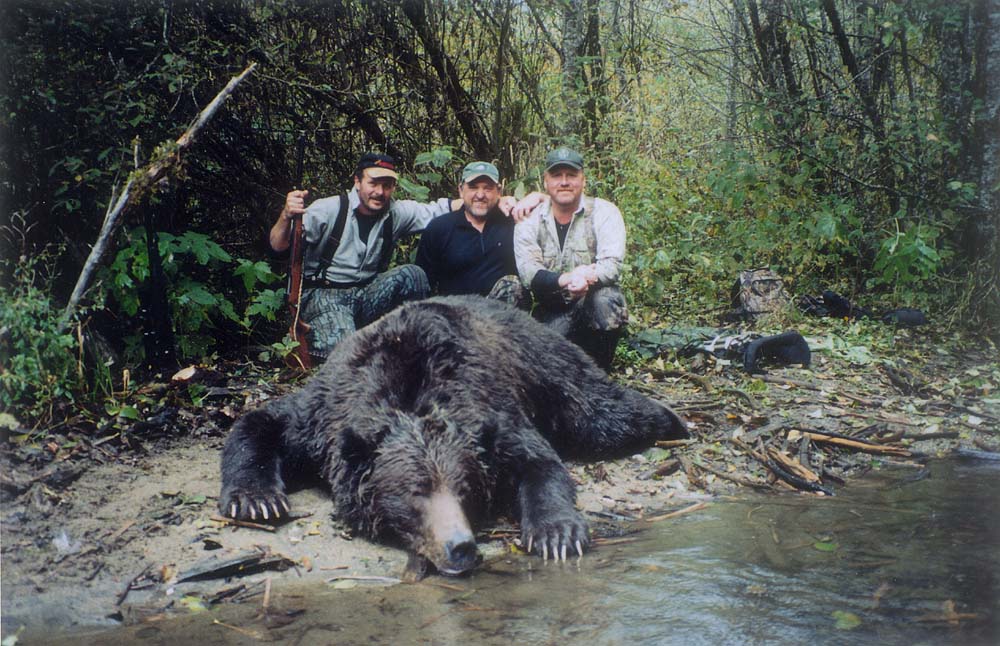
3 smiling trophy hunters kneel behind the dead grizzly they have killed.

The cruelest month for British Columbia’s coastal carnivores

For large carnivores in British Columbia’s Great Bear Rainforest April marks the start of the spring recreational hunting season, and signals a time to start dodging bullets from “sportsmen” wielding high-powered rifles in search of “trophies.”
A pile of trash on a beach with a stormy sky.

Marine Debris in BC Coastal Waters

Researchers from Raincoast, the University of St. Andrews, Oceans Initiative and Environment Canada teamed up to assess the presence and potential threats from marine garbage to BC’s marine animals…
Aerial view of the tar sands.

Canada’s tar sands: bringing pipelines, tankers and climate disruption to an ecosystem near you

Enbridge’s Northern Gateway project invites the world’s largest supertankers and dirtiest oil to the unspoiled waters of coastal British Columbia.  Similarly, Kinder Morgan’s Trans-Mountain pipeline expansion would dramatically raise the level of tanker traffic traversing through Vancouver, the Fraser estuary and the Gulf Islands.  For more on Kinder Morgan proposal click here. Read below for a…