

Shifting salmon policy
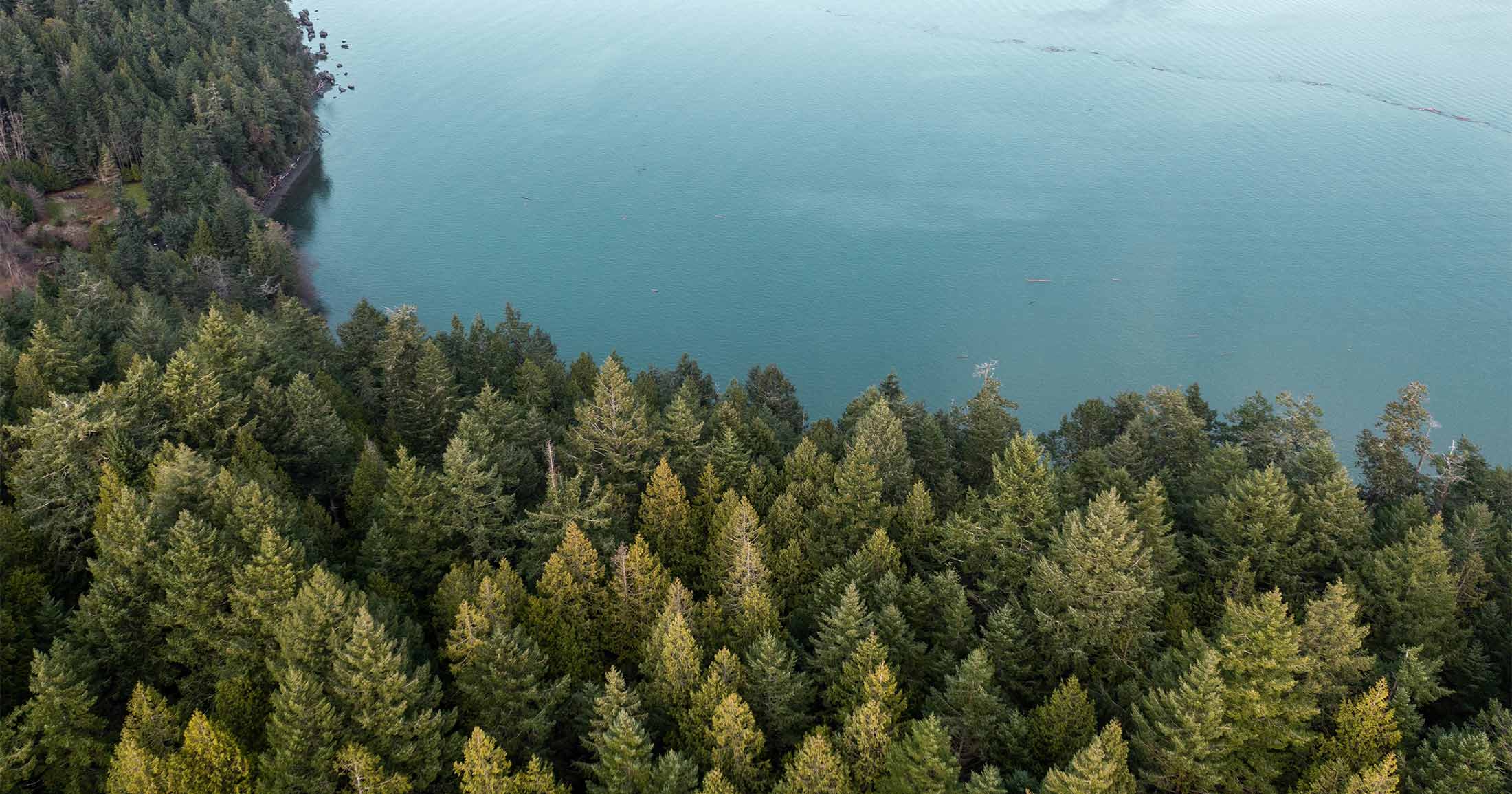
Photo by Alex Harris.
Ecosystems are complex. They are communities of living organisms connected through interacting processes and features on the land, in water, and between the two. Yet BC’s antiquated environmental policy doesn’t reflect this. Colonial society governs ecosystems by siloing them into distinct ministries and resources instead of reflecting the interconnected nature of habitats that make them function in the living world. This “siloed decision making”is the root cause of many of the ecological challenges we face today.
Our policy goals
1. Manage fisheries for ecosystems
- Set salmon harvest at levels that optimize the benefits of spawning salmon to watersheds and wildlife.
- Shift away from historic management paradigms that minimize the number of spawning salmon reaching rivers and maximize harvest (called Maximum Sustainable Yield). Move towards fisheries management that meets salmon spawning targets that are ecologically based, not harvest-based.
- Shift harvest toward selective terminal fisheries (conducted in or near the rivers of origin) that respect the ‘place-based’ nature of salmon, and optimize the benefits to ecosystems, Indigenous cultures, and local communities.
2. Implement ecological-based governance
- Conservation planning and a commitment to sustainability that looks 7 generations ahead.
- A “whole-of-government” approach that implements shared solutions by Indigenous, federal, provincial, and municipal governments to achieve salmon recovery from inland watersheds and rivers, to the open ocean.
- Governance that honours Aboriginal rights and title, inherent Indigenous jurisdiction and law, and the United Nations Declaration on the Rights of Indigenous Peoples (UNDRIP) and the Declaration on the Rights of Indigenous Peoples Act (DRIPA).
- Sustainable funding strategies for watershed-scale restoration and planning.
3. Advance land-use policies that prioritize the health of wild salmon and biodiversity
- Zoning that bolsters functioning watersheds and riparian habitat (i.e.protect natural features, limit impervious surfaces, reduce urban sprawl, adopt nature-based solutions).
- Forestry policy that prioritizes salmon health by restricting clear-cutting in salmon watersheds, and incentivizes a sustainable, second or third-growth forest economy.
- Climate adaptation policy that incentivizes nature-based solutions including natural shorelines, intact riparian areas, unrestricted floodplains, managed retreat, and use of rain-gardens in urban areas.
Our recent reports
Recent articles

The story of Coastal Douglas-fir forests: The return of fire to the landscape
The third and last contribution of Parks Canada to The Story of the Coastal Douglas-fir (CDF) forests series, three scientists working in the Gulf Islands National Park Reserve share their knowledge of the legacy of fire in the region and explore the logistics and challenges of present day fire management.

Islands Trust Conservancy supports protection of KELÁ_EKE Kingfisher Forest.
With just seven days left in our matching campaign, Islands Trust Conservancy (ITC) has announced a contribution of $5,000 from their Opportunity Fund to help us reach our final goal.
We are offering gifts with KELÁ_EKE Kingfisher Forest donations to show our gratitude
Between now and June 8th, a limited amount of the following gifts will be available to those who make donations.

A tribute to the kingfishers of KELÁ_EKE Kingfisher Forest
Our familiar belted kingfisher, in comparison, is part of the subfamily of “fishing kingfishers” (Subfamily Alcedininae), which inhabit streams, ponds, lakes, and marine shores and feed mostly on fish, amphibians, and aquatic invertebrates.

Expedition with Indigenous women in the Salish Sea – request for applications
We are currently accepting applications from Indigenous people (specifically women, two-spirit and femme-identifying) to join us on board Raincoast’s education and research vessel, Achiever for a five-day expedition.

The Gauntlet, a salmon story foretold
World Fish Migration Day celebrates the wonders of migratory fish and raises awareness of the many obstacles that can prevent them from reaching destinations in the rivers and the spawning grounds they seek.