

Shifting salmon policy
Photo by Alex Harris.
Ecosystems are complex. They are communities of living organisms connected through interacting processes and features on the land, in water, and between the two. Yet BC’s antiquated environmental policy doesn’t reflect this. Colonial society governs ecosystems by siloing them into distinct ministries and resources instead of reflecting the interconnected nature of habitats that make them function in the living world. This “siloed decision making”is the root cause of many of the ecological challenges we face today.
Our policy goals
1. Manage fisheries for ecosystems
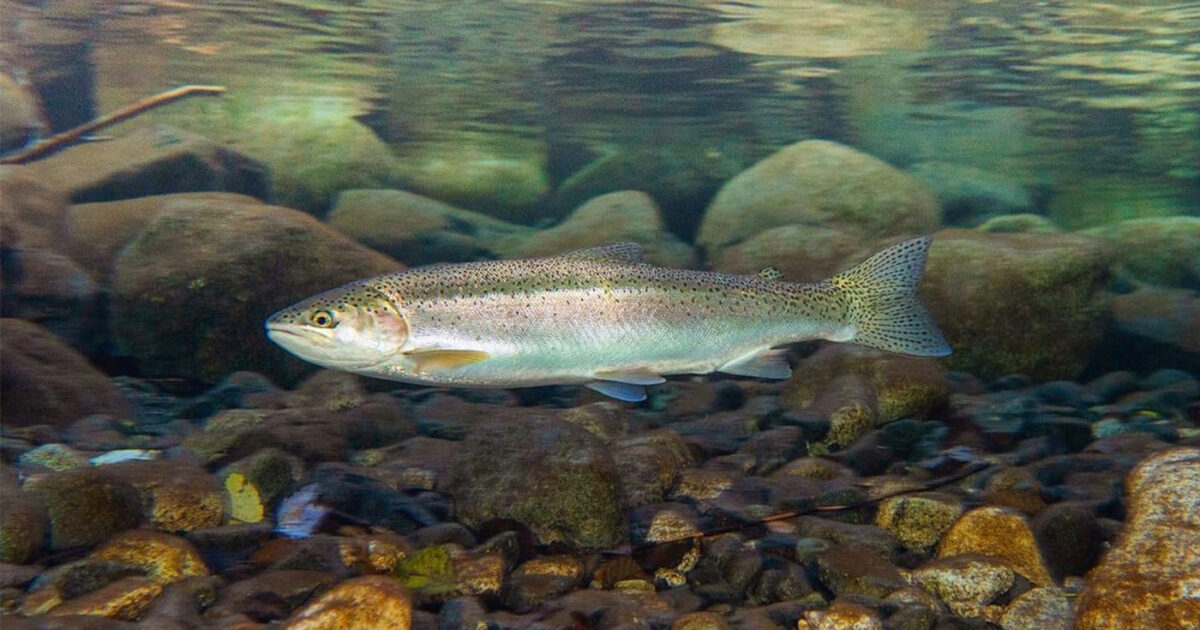
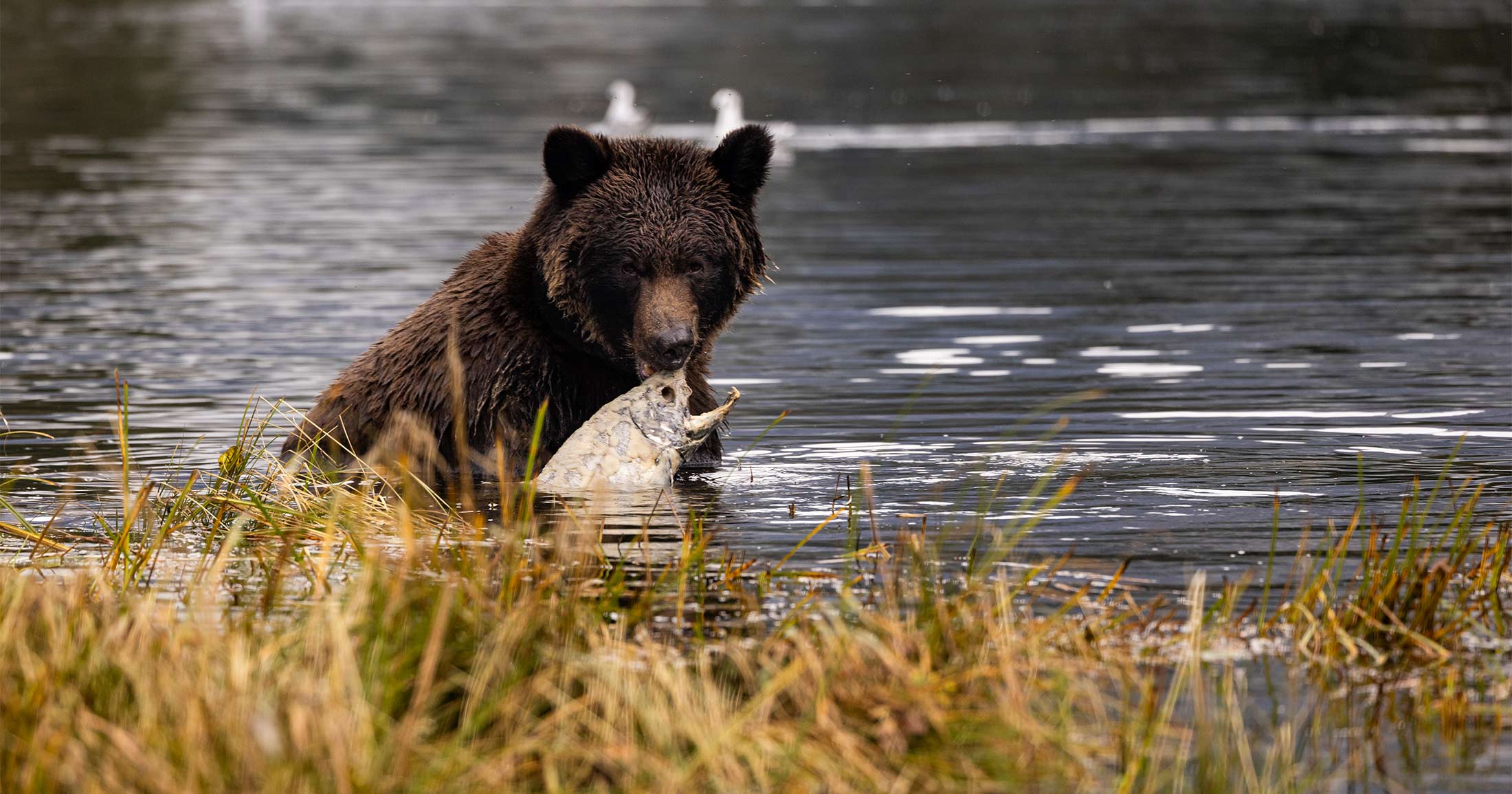
- Set salmon harvest at levels that optimize the benefits of spawning salmon to watersheds and wildlife.
- Shift away from historic management paradigms that minimize the number of spawning salmon reaching rivers and maximize harvest (called Maximum Sustainable Yield). Move towards fisheries management that meets salmon spawning targets that are ecologically based, not harvest-based.
- Shift harvest toward selective terminal fisheries (conducted in or near the rivers of origin) that respect the ‘place-based’ nature of salmon, and optimize the benefits to ecosystems, Indigenous cultures, and local communities.
2. Implement ecological-based governance
- Conservation planning and a commitment to sustainability that looks 7 generations ahead.
- A “whole-of-government” approach that implements shared solutions by Indigenous, federal, provincial, and municipal governments to achieve salmon recovery from inland watersheds and rivers, to the open ocean.
- Governance that honours Aboriginal rights and title, inherent Indigenous jurisdiction and law, and the United Nations Declaration on the Rights of Indigenous Peoples (UNDRIP) and the Declaration on the Rights of Indigenous Peoples Act (DRIPA).
- Sustainable funding strategies for watershed-scale restoration and planning.
3. Advance land-use policies that prioritize the health of wild salmon and biodiversity
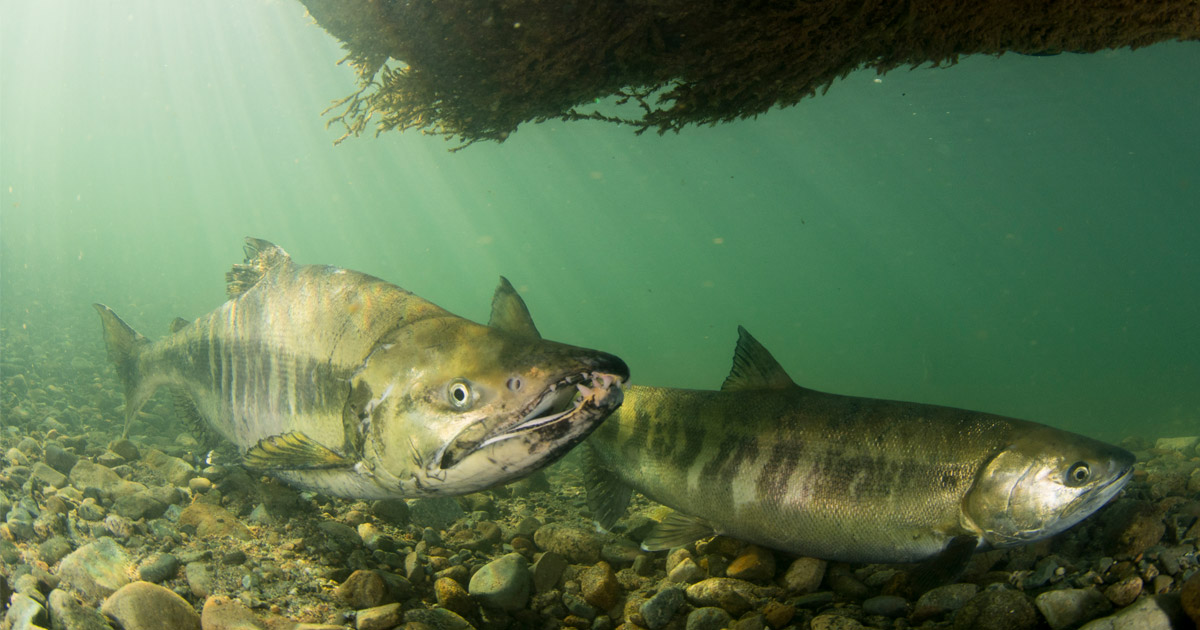
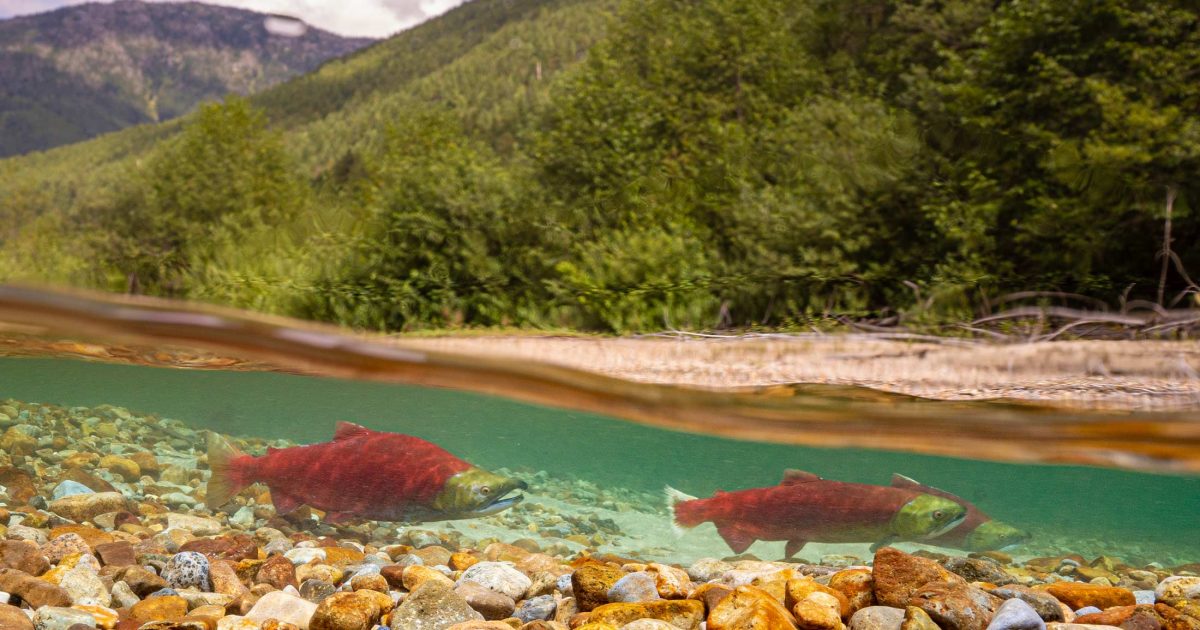
- Zoning that bolsters functioning watersheds and riparian habitat (i.e.protect natural features, limit impervious surfaces, reduce urban sprawl, adopt nature-based solutions).
- Forestry policy that prioritizes salmon health by restricting clear-cutting in salmon watersheds, and incentivizes a sustainable, second or third-growth forest economy.
- Climate adaptation policy that incentivizes nature-based solutions including natural shorelines, intact riparian areas, unrestricted floodplains, managed retreat, and use of rain-gardens in urban areas.
Our recent reports
Recent articles

Raincoast welcomes new team members to join our team for the summer!
We are thrilled to have seven interns join our team through the federal government’s Canada Summer Jobs program and UBC’s Sustainability Scholar program.

Gdje Su Svi Dobrodošli (Where Everyone Is Welcome)
Denis shared his story of leaving Bosnia as a war refugee and becoming an activist through Patagonia’s blog. It’s such an impactful story and we are grateful to share it with our community.

A call to action: Community stories of the CDF
Collecting your stories and/or observations of change will not only broaden understanding of CDF ecosystems, but it also provides an opportunity for community engagement and science to work collaboratively.
Shining a light on inspiring projects from youth
As a way to celebrate the impact youth are making in their communities, Raincoast and Take a Stand organized another Student Innovation Challenge.
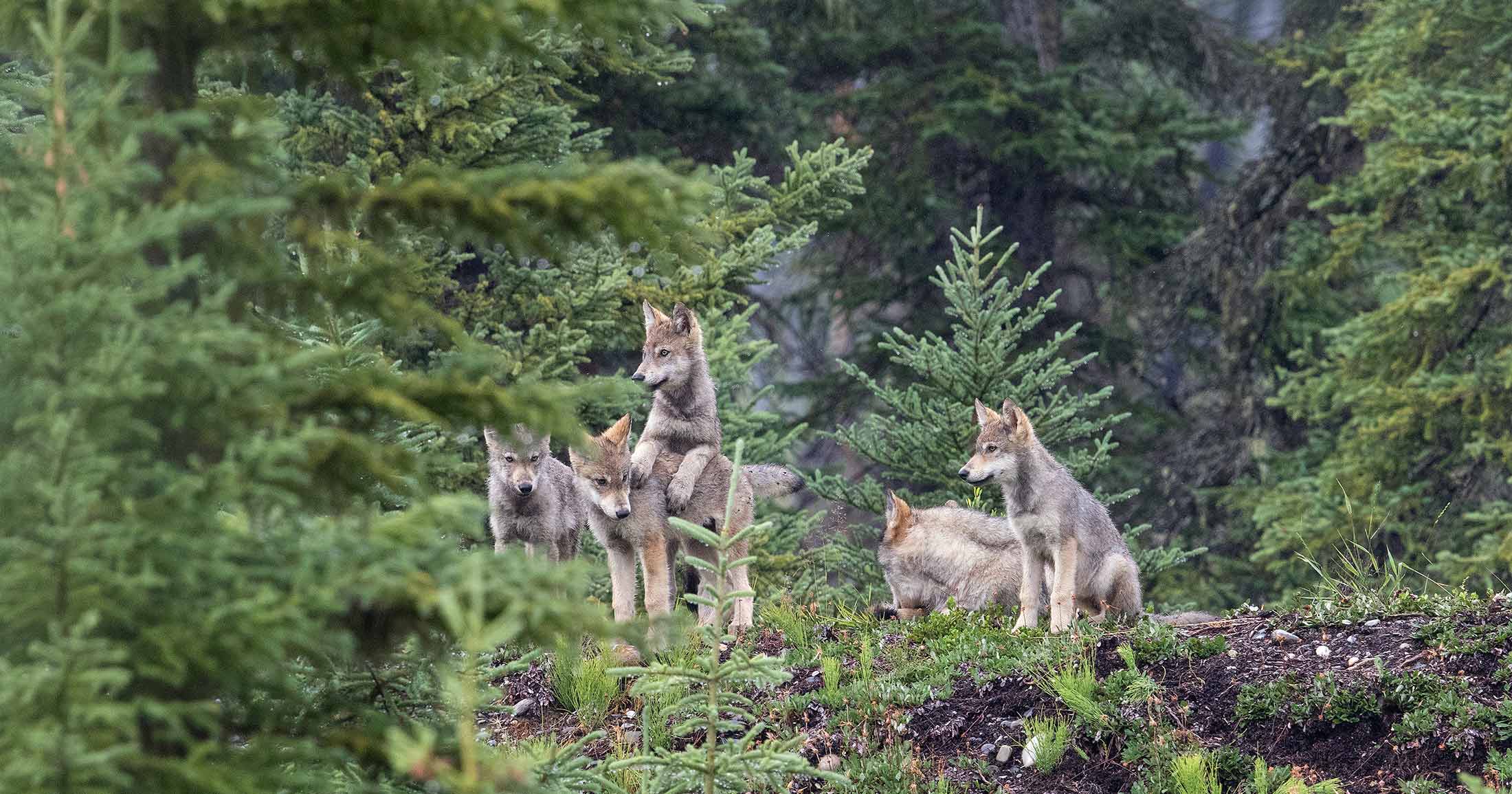
An ethical approach to wolf photography
Photography is a key tool in our communication and, as with our scientific research, we have an extensive ethics protocol that we follow and share with photographers who contribute images to us. A reality of wildlife photography is that, whether intentional or not, photographers have an effect on their subjects. These disturbances take place when…

Connectivity restoration in the Fraser River Estuary continues to show results
This work is part of our Fraser River Connectivity Project, our five-year restoration project to create openings in several of the man-made barriers in the Fraser Estuary that prevent the natural migration of juvenile salmon.