

Shifting salmon policy
Photo by Alex Harris.
Ecosystems are complex. They are communities of living organisms connected through interacting processes and features on the land, in water, and between the two. Yet BC’s antiquated environmental policy doesn’t reflect this. Colonial society governs ecosystems by siloing them into distinct ministries and resources instead of reflecting the interconnected nature of habitats that make them function in the living world. This “siloed decision making”is the root cause of many of the ecological challenges we face today.
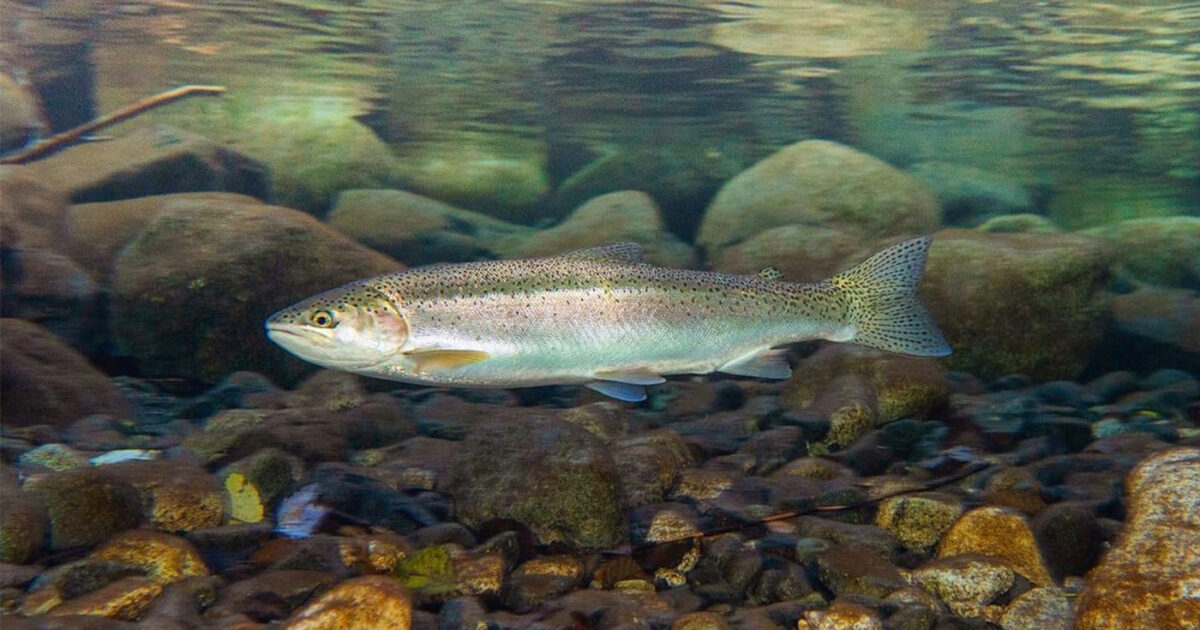
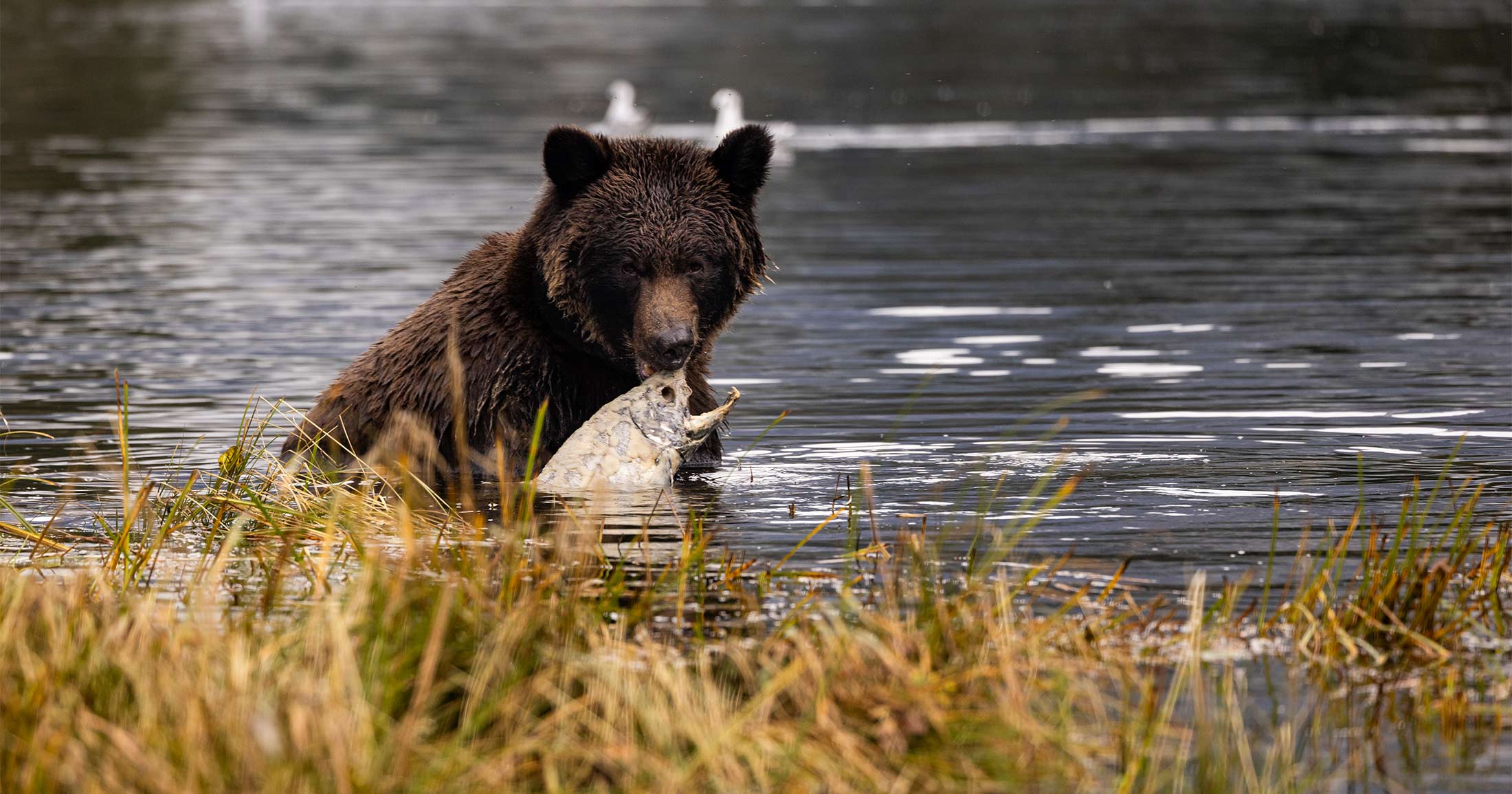
Our policy goals
1. Manage fisheries for ecosystems
- Set salmon harvest at levels that optimize the benefits of spawning salmon to watersheds and wildlife.
- Shift away from historic management paradigms that minimize the number of spawning salmon reaching rivers and maximize harvest (called Maximum Sustainable Yield). Move towards fisheries management that meets salmon spawning targets that are ecologically based, not harvest-based.
- Shift harvest toward selective terminal fisheries (conducted in or near the rivers of origin) that respect the ‘place-based’ nature of salmon, and optimize the benefits to ecosystems, Indigenous cultures, and local communities.
2. Implement ecological-based governance
- Conservation planning and a commitment to sustainability that looks 7 generations ahead.
- A “whole-of-government” approach that implements shared solutions by Indigenous, federal, provincial, and municipal governments to achieve salmon recovery from inland watersheds and rivers, to the open ocean.
- Governance that honours Aboriginal rights and title, inherent Indigenous jurisdiction and law, and the United Nations Declaration on the Rights of Indigenous Peoples (UNDRIP) and the Declaration on the Rights of Indigenous Peoples Act (DRIPA).
- Sustainable funding strategies for watershed-scale restoration and planning.
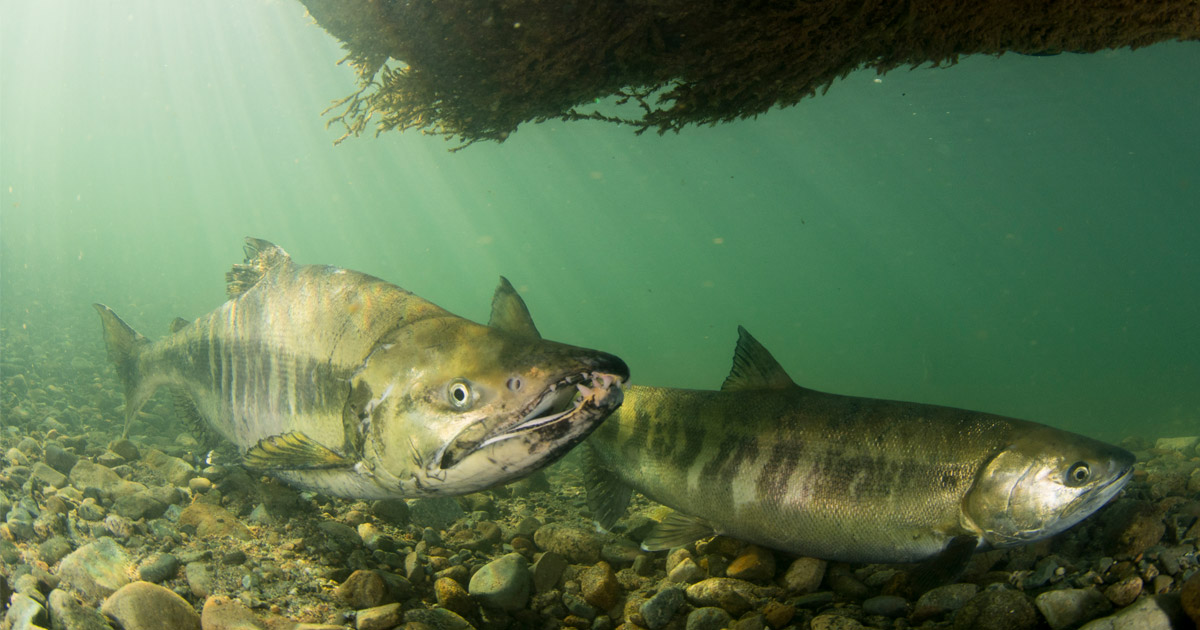
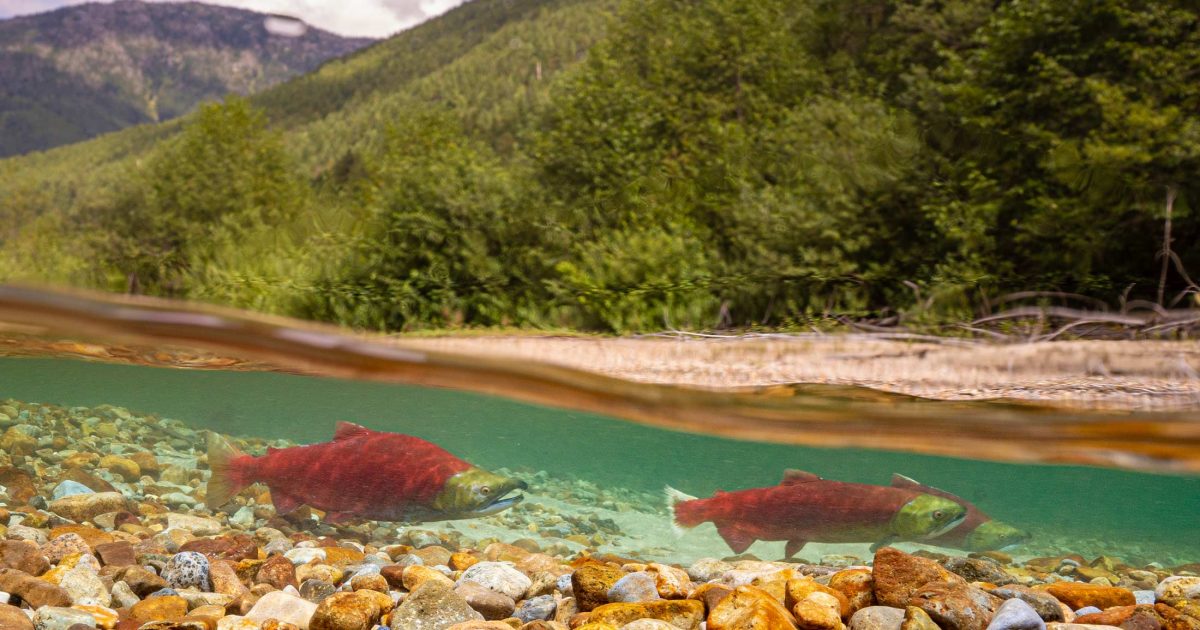
3. Advance land-use policies that prioritize the health of wild salmon and biodiversity
- Zoning that bolsters functioning watersheds and riparian habitat (i.e.protect natural features, limit impervious surfaces, reduce urban sprawl, adopt nature-based solutions).
- Forestry policy that prioritizes salmon health by restricting clear-cutting in salmon watersheds, and incentivizes a sustainable, second or third-growth forest economy.
- Climate adaptation policy that incentivizes nature-based solutions including natural shorelines, intact riparian areas, unrestricted floodplains, managed retreat, and use of rain-gardens in urban areas.
Our recent reports
Recent articles

Alaska has been ordered to stop intercepting BC-bound Chinook salmon
In May, 2023, a US federal judge issued a ruling to halt the troll fishery off southeast Alaska’s west coast, saying the permits that enable the fishery do not properly protect endangered Southern Resident killer whales.
Purchasing for protection: A perpetual Sophie’s choice for conservationists
When property prices are too high to protect these places via purchase, can we count on public policy tools to safeguard CDF forests from further degradation?

NoiseTracker: a collaborative initiative that aims to tackle the invisible threat permeating our oceans
NoiseTracker is a collaborative initiative that hopes to unite all existing hydrophone operators along the BC coast in a common effort to provide an easily accessible central platform for monitoring ocean noise.

Despite a green light from Cabinet, Elizabeth May presents petition on Roberts Bank terminal expansion in the House of Commons
Our petition reached 4,239 signatures.

Meet Brooke Gerle, Raincoast’s new Mapping Technician
Brooke Gerle has joined our Communications team as a Mapping Technician. She will assist in spatial analysis, the creation of maps, and report and article writing in support of Raincoast’s programs. Brooke completed her bachelor’s degree in Biology from Dalhousie University. After 3 years of working and volunteering in wildlife rehabilitation, Brooke returned to school…

What happens after the groundswell?
When the Enbridge Northern Gateway pipeline was cancelled I was just about to graduate high school. I was starting to find my own footing in the world and where my values aligned. I headed west from Alberta to start university without looking back. What I would learn over the next several years would ultimately shape…