
Shifting salmon policy
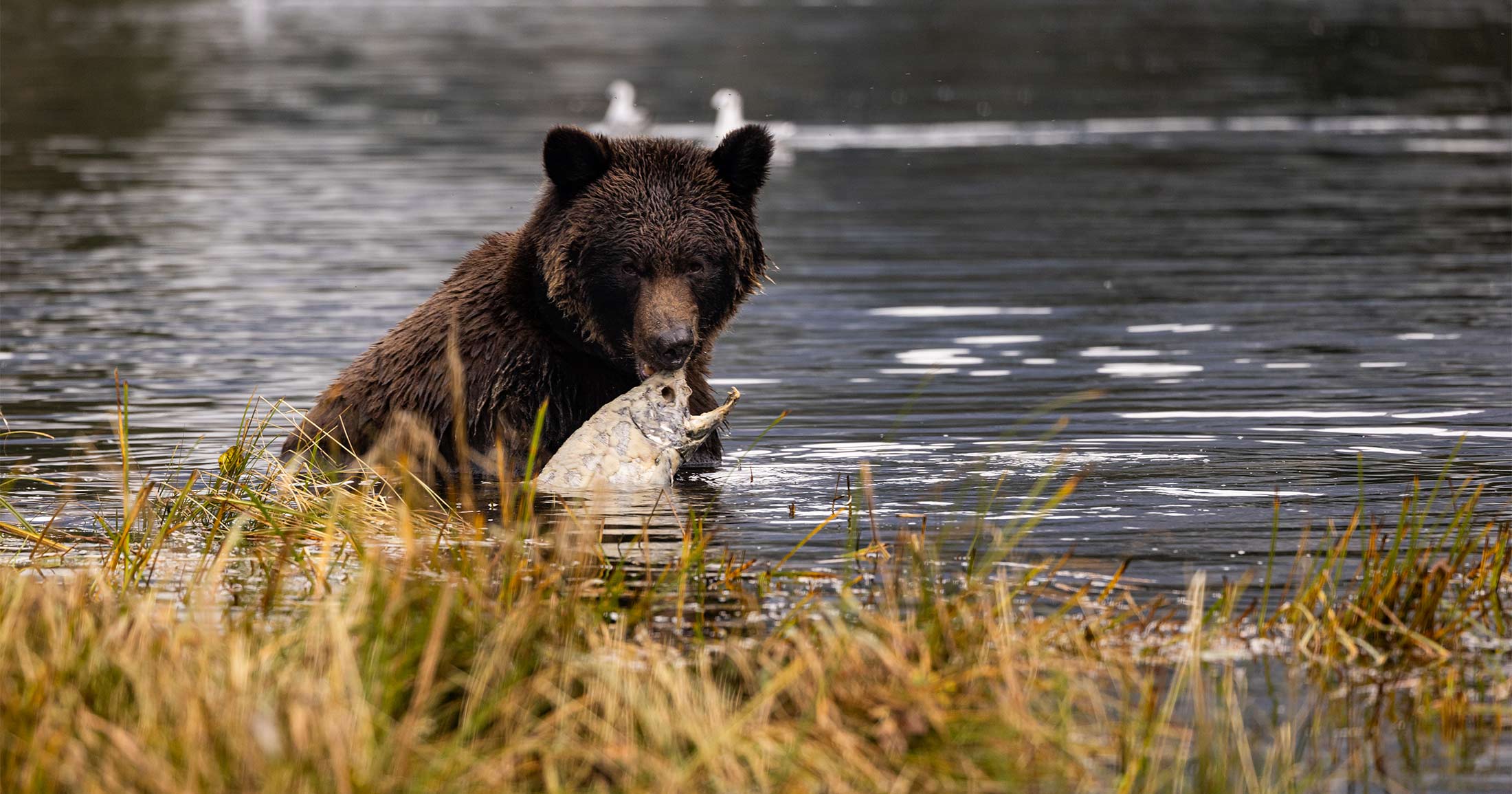
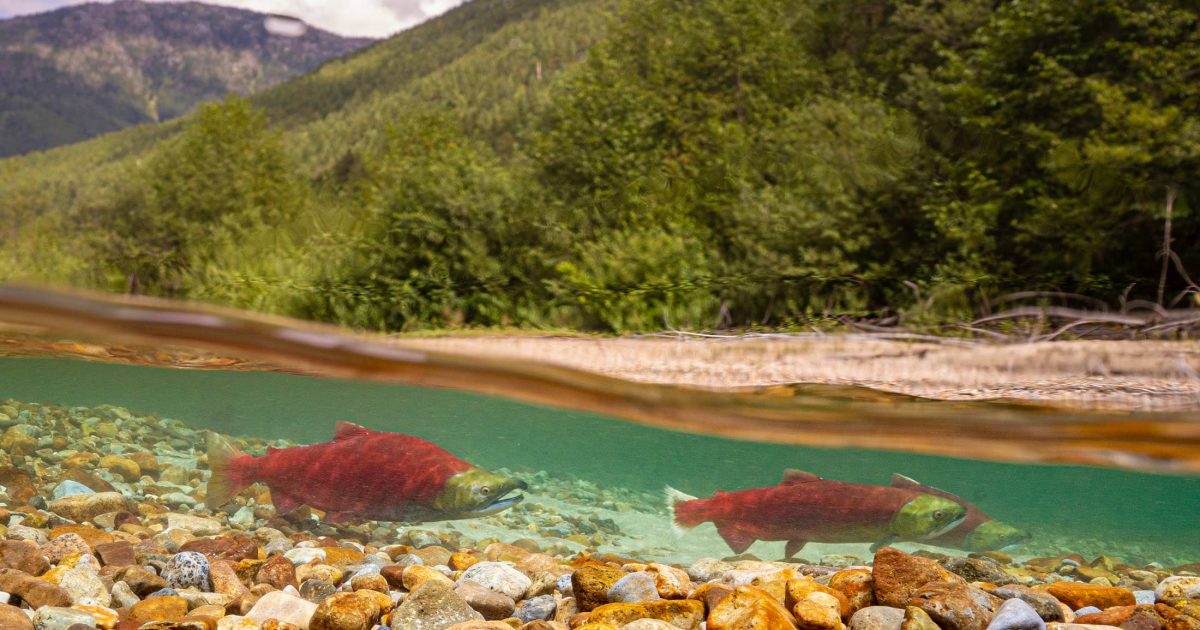
Photo by Alex Harris.
Ecosystems are complex. They are communities of living organisms connected through interacting processes and features on the land, in water, and between the two. Yet BC’s antiquated environmental policy doesn’t reflect this. Colonial society governs ecosystems by siloing them into distinct ministries and resources instead of reflecting the interconnected nature of habitats that make them function in the living world. This “siloed decision making”is the root cause of many of the ecological challenges we face today.
Our policy goals
1. Manage fisheries for ecosystems
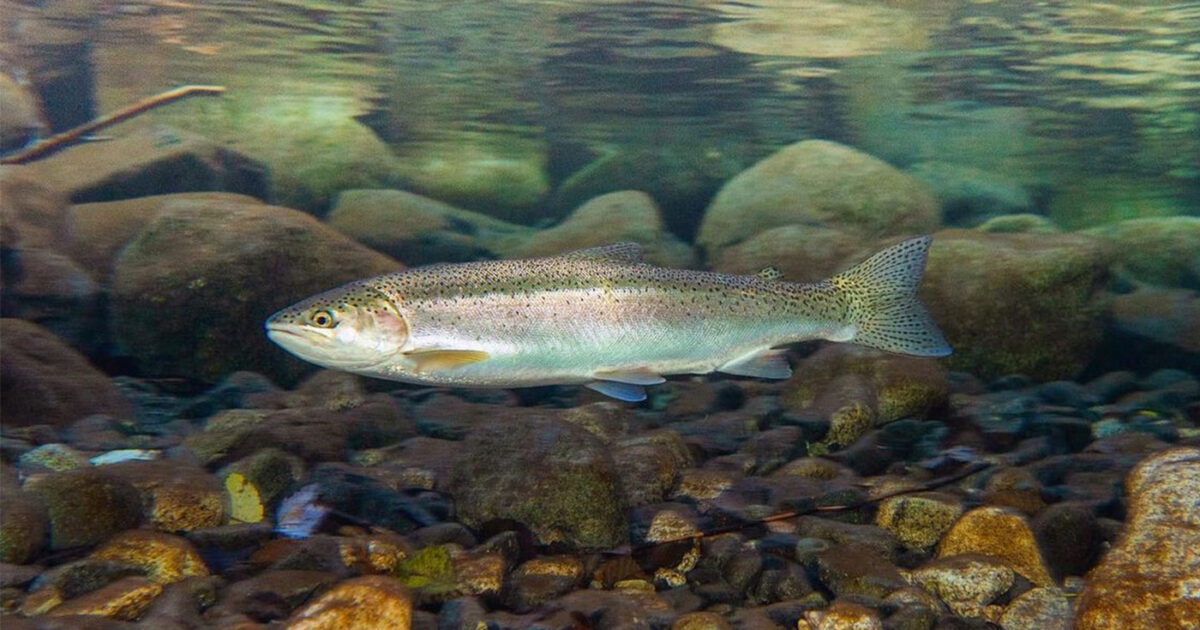
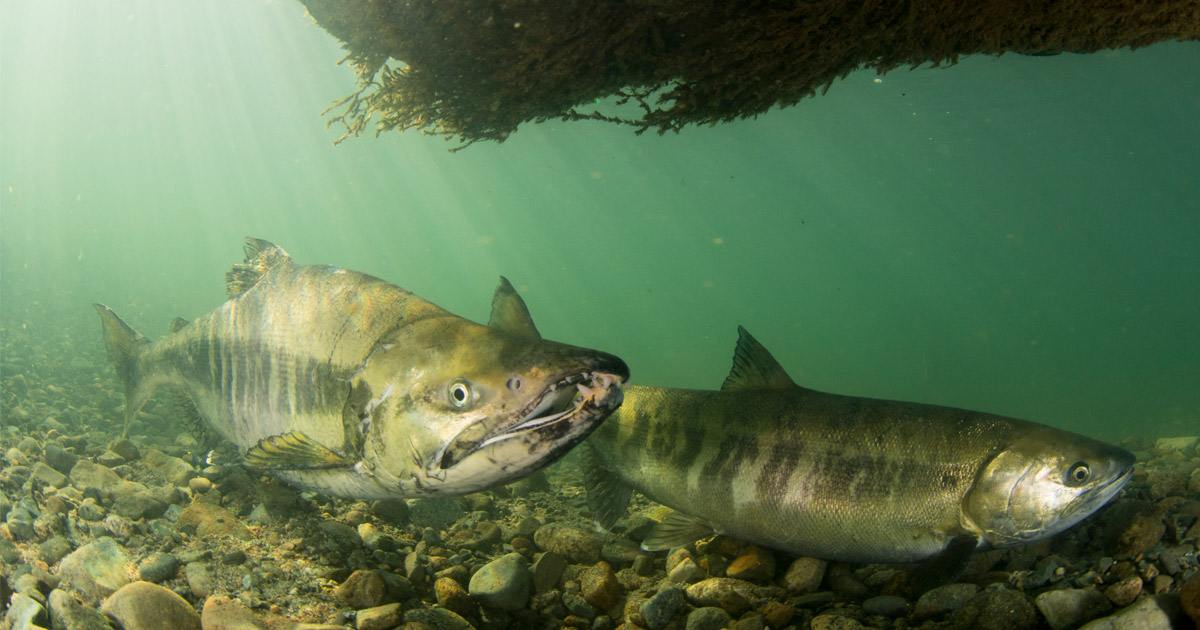
- Set salmon harvest at levels that optimize the benefits of spawning salmon to watersheds and wildlife.
- Shift away from historic management paradigms that minimize the number of spawning salmon reaching rivers and maximize harvest (called Maximum Sustainable Yield). Move towards fisheries management that meets salmon spawning targets that are ecologically based, not harvest-based.
- Shift harvest toward selective terminal fisheries (conducted in or near the rivers of origin) that respect the ‘place-based’ nature of salmon, and optimize the benefits to ecosystems, Indigenous cultures, and local communities.
2. Implement ecological-based governance
- Conservation planning and a commitment to sustainability that looks 7 generations ahead.
- A “whole-of-government” approach that implements shared solutions by Indigenous, federal, provincial, and municipal governments to achieve salmon recovery from inland watersheds and rivers, to the open ocean.
- Governance that honours Aboriginal rights and title, inherent Indigenous jurisdiction and law, and the United Nations Declaration on the Rights of Indigenous Peoples (UNDRIP) and the Declaration on the Rights of Indigenous Peoples Act (DRIPA).
- Sustainable funding strategies for watershed-scale restoration and planning.
3. Advance land-use policies that prioritize the health of wild salmon and biodiversity
- Zoning that bolsters functioning watersheds and riparian habitat (i.e.protect natural features, limit impervious surfaces, reduce urban sprawl, adopt nature-based solutions).
- Forestry policy that prioritizes salmon health by restricting clear-cutting in salmon watersheds, and incentivizes a sustainable, second or third-growth forest economy.
- Climate adaptation policy that incentivizes nature-based solutions including natural shorelines, intact riparian areas, unrestricted floodplains, managed retreat, and use of rain-gardens in urban areas.
Our recent reports
Recent articles
A Little Wolf Mystery, Part I
I needed a renewal. Spring had sprung some time ago and I was envious of the plants outside my office window that seemed a lot more active than I. After a long winter of computer work, it was time again to visit the wolves and the forests that had changed my life forever.

The Magic of Hecate Strait
There are some places in this world that can expand our notion of what is possible. Last month, when I spent 10 days on board Achiever in Hecate Strait, I quickly realized that I had found one of those places. Hecate Strait is the body of water between the Great Bear Rainforest and the Queen…
Creature of the Coast
Fifteen-month old Callum is a creature of the coast. He bellyflops in bone-chilling ocean waves at sunset, laughs in delight, then runs back for more again and again until he is paralyzed by the cold. At an age when most toddlers are learning to climb stairs, he navigates over roots and fallen trees with the…

Seeing is Believing
A personal understanding of the places we are trying to protect is requisite for working as a Raincoaster. In this spirit, members of our salmon aquaculture team climbed aboard the SV Achiever last month and embarked on a journey of the Great Bear Rainforest. Under the wing of Alexandra Morton, we skirted the shores of…

The Secret Life of Salmon
With each step my foot sinks into a thick mat of woven moss and with each step I wonder whether there is anything beneath this mat to support my weight. I step cautiously, just in case, but I’m also trying to keep up with my partner, Chester Starr (the Lone Wolf), who moves swiftly through…
A critical assessment of the BC Central Coast Land & Resource Management Plan
This report is a critical assessment of protection for key wildlife & salmon habitats under the proposed BC Central Coast Land & Resource Management Plan undertaken by Dr. Paul Paquet, Dr. Chris Darimont, Dr. John Nelson and Katrina Bennett. The analysis focuses on salmon habitat, wolf homesites and deer winter range. The findings indicate that…