
Shifting salmon policy
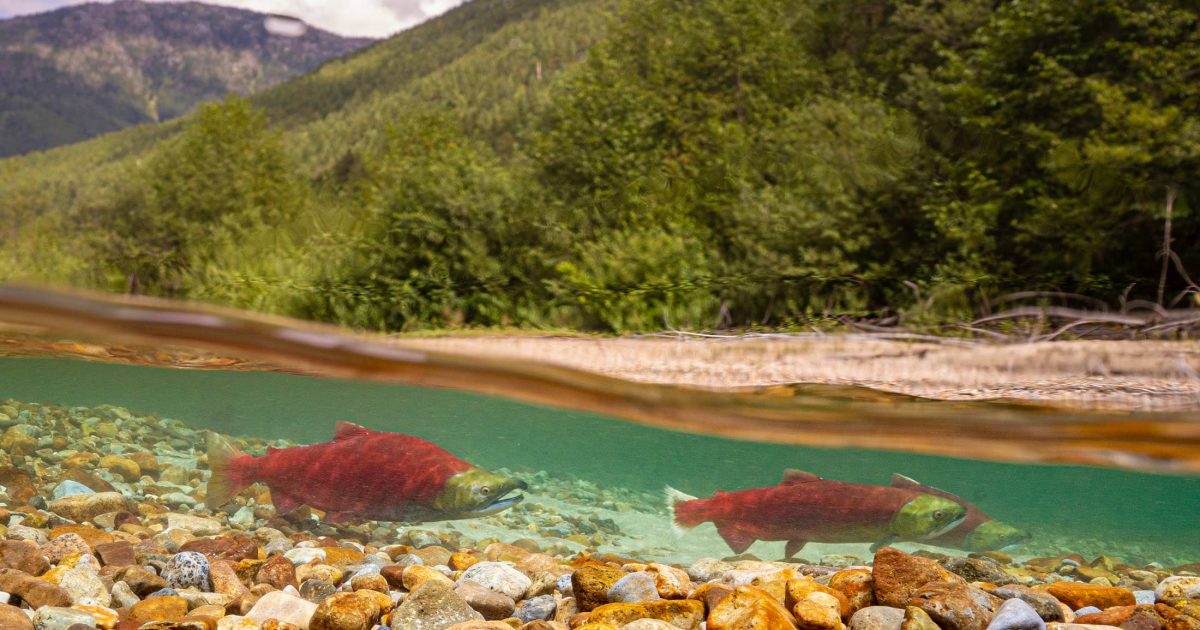
Photo by Alex Harris.
Ecosystems are complex. They are communities of living organisms connected through interacting processes and features on the land, in water, and between the two. Yet BC’s antiquated environmental policy doesn’t reflect this. Colonial society governs ecosystems by siloing them into distinct ministries and resources instead of reflecting the interconnected nature of habitats that make them function in the living world. This “siloed decision making”is the root cause of many of the ecological challenges we face today.
Our policy goals
1. Manage fisheries for ecosystems
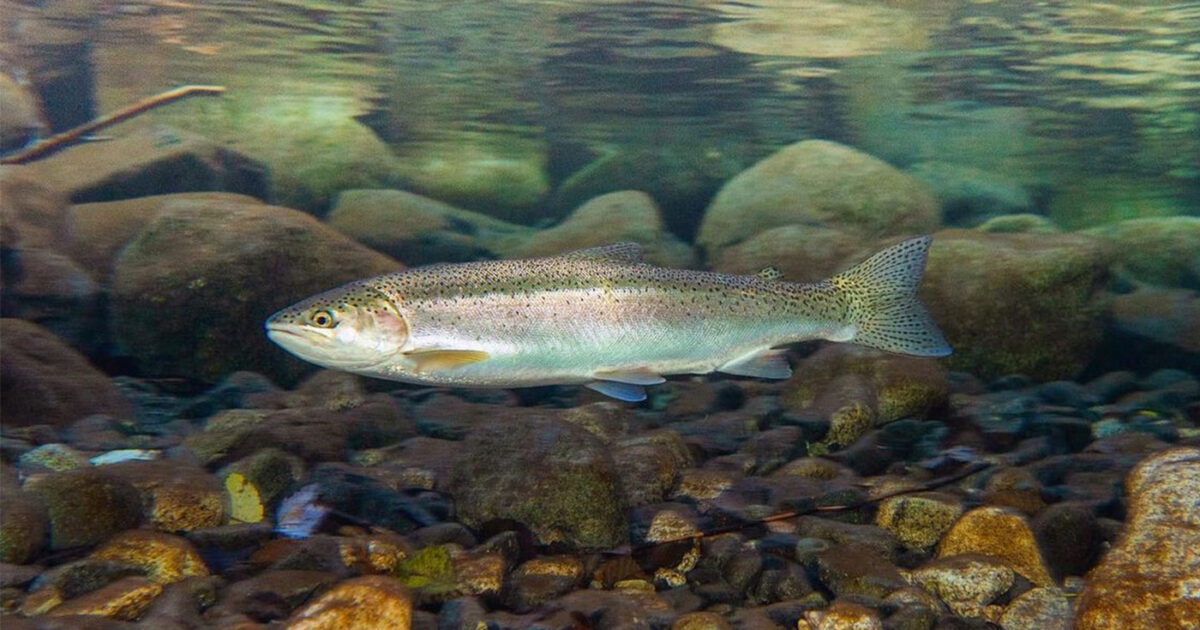
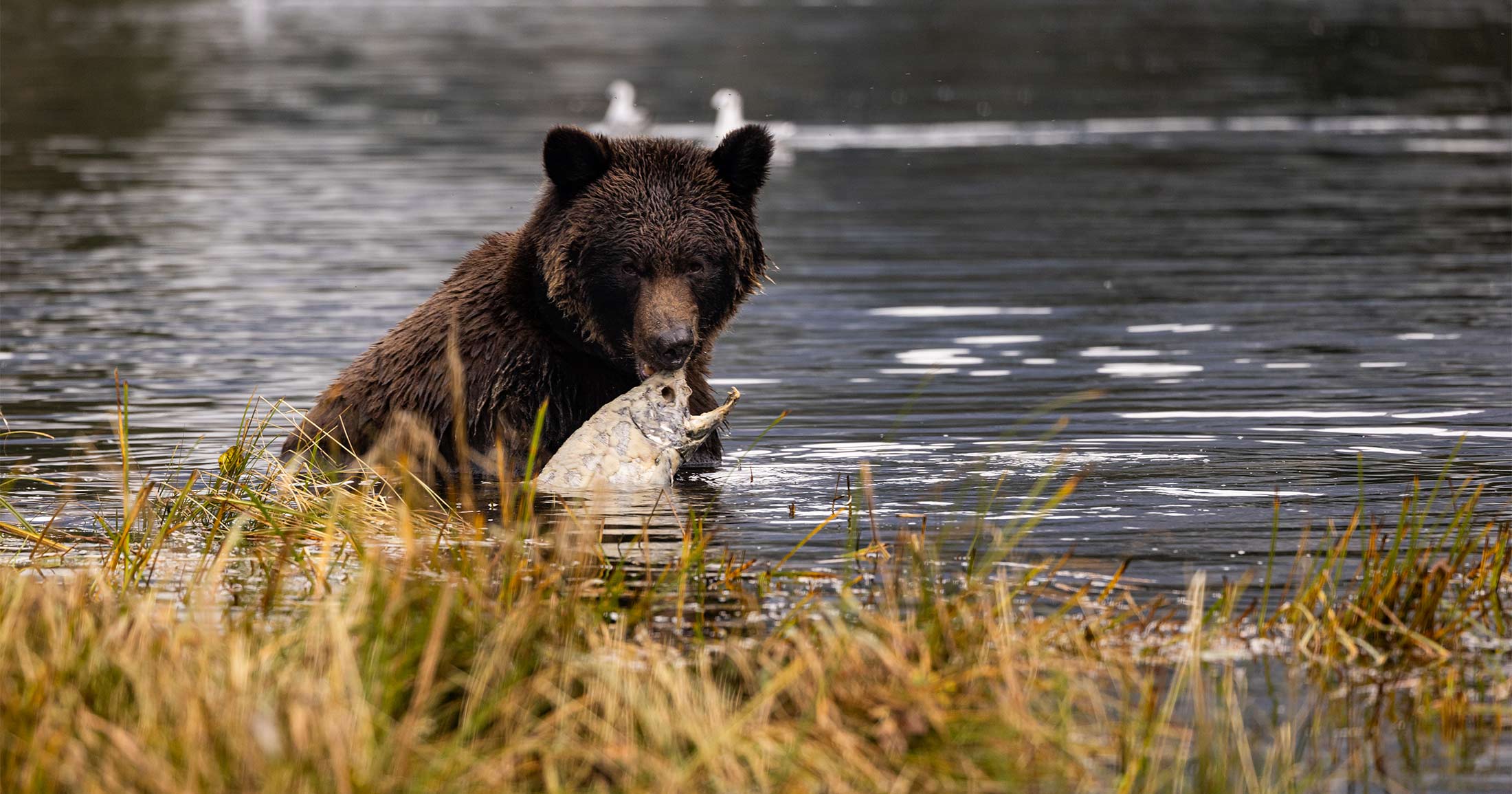
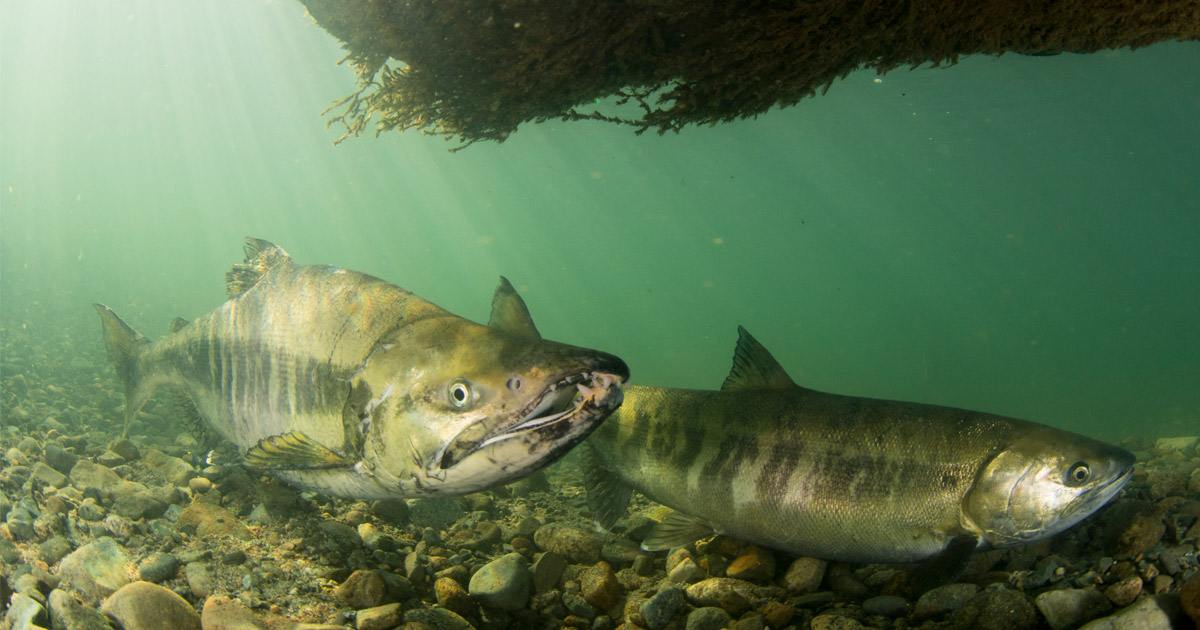
- Set salmon harvest at levels that optimize the benefits of spawning salmon to watersheds and wildlife.
- Shift away from historic management paradigms that minimize the number of spawning salmon reaching rivers and maximize harvest (called Maximum Sustainable Yield). Move towards fisheries management that meets salmon spawning targets that are ecologically based, not harvest-based.
- Shift harvest toward selective terminal fisheries (conducted in or near the rivers of origin) that respect the ‘place-based’ nature of salmon, and optimize the benefits to ecosystems, Indigenous cultures, and local communities.
2. Implement ecological-based governance
- Conservation planning and a commitment to sustainability that looks 7 generations ahead.
- A “whole-of-government” approach that implements shared solutions by Indigenous, federal, provincial, and municipal governments to achieve salmon recovery from inland watersheds and rivers, to the open ocean.
- Governance that honours Aboriginal rights and title, inherent Indigenous jurisdiction and law, and the United Nations Declaration on the Rights of Indigenous Peoples (UNDRIP) and the Declaration on the Rights of Indigenous Peoples Act (DRIPA).
- Sustainable funding strategies for watershed-scale restoration and planning.
3. Advance land-use policies that prioritize the health of wild salmon and biodiversity
- Zoning that bolsters functioning watersheds and riparian habitat (i.e.protect natural features, limit impervious surfaces, reduce urban sprawl, adopt nature-based solutions).
- Forestry policy that prioritizes salmon health by restricting clear-cutting in salmon watersheds, and incentivizes a sustainable, second or third-growth forest economy.
- Climate adaptation policy that incentivizes nature-based solutions including natural shorelines, intact riparian areas, unrestricted floodplains, managed retreat, and use of rain-gardens in urban areas.
Our recent reports
Recent articles

Down to the Wire
by Faisal Moola Large Carnivore Projects Coordinator Victoria, BC, March 2005 It’s election time in British Columbia this spring (May 17) and campaigning by the various political parties has already begun in earnest. In addition to the persistent concerns of the electorate on health care and education, the environment could also be a factor in…
Notes from the Shipyard
The alarm goes off at 6am. It’s still dark and I can hear the rain on Hemisphere Dancer’s aluminum coach house. Stephen and I don our raingear and quietly slip outside without waking Brian. As we walk the footpath along the Fraser River, Vancouver is already humming with the sounds of traffic. We spot a…

New National Geographic Special “Last Stand of the Great Bear”
Premieres Wednesday, Nov. 3, at 8 p.m. ET/PT on PBS (check local listings for details)Canadian premiere to be announced in early spring 2005 Along the coast of British Columbia lies an enchanted wilderness, where bear-hunting wolves take to the sea, grizzlies clash in titanic battles and wild salmon are the pulsing lifeblood of an entire…
The Salmon Bears
The sound of the grizzly’s jaws crunching down on the bones of a salmon echoed up and down the Koeye River Valley. As we watched from our canoe, drifting silently on the water, the beautiful female bear devoured a big chum that she had corralled in a side pool created by a fallen tree. She…
Sea Lice Loot
White caps licking my gumboots, I make the leap from water taxi to gillnet fishing boat off the North coast of Vancouver Island. A burly Viking type fisherman, Calvin Siider, welcomes me aboard. I am one of many volunteers helping collect sea lice this year with Raincoast researcher Corey Peet. The success of our collections…

Coring for Answers
When I saw Owikeeno Lake from the plane my jaw dropped and my nerves soared. There was no mistaking it – brilliant emerald green stretching far beyond the restrictions of my little window. It’s amazing that a lake with so much glacial silt supports salmon at all, let alone the famed runs of Rivers Inlet.