

Shifting salmon policy
Photo by Alex Harris.
Ecosystems are complex. They are communities of living organisms connected through interacting processes and features on the land, in water, and between the two. Yet BC’s antiquated environmental policy doesn’t reflect this. Colonial society governs ecosystems by siloing them into distinct ministries and resources instead of reflecting the interconnected nature of habitats that make them function in the living world. This “siloed decision making”is the root cause of many of the ecological challenges we face today.
Our policy goals
1. Manage fisheries for ecosystems
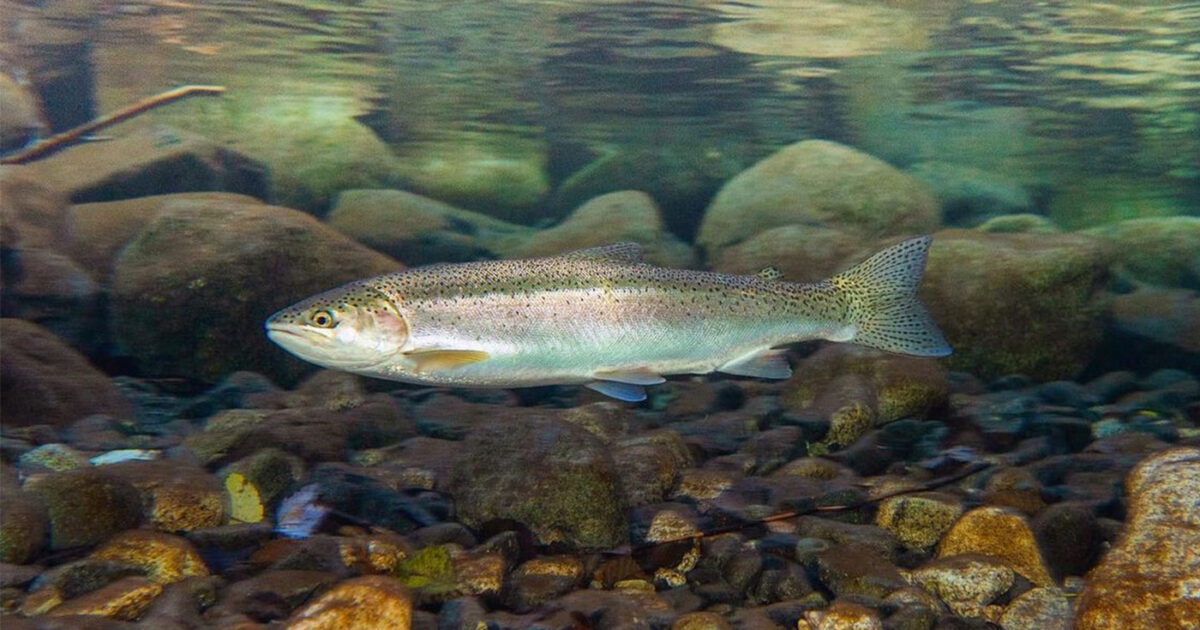
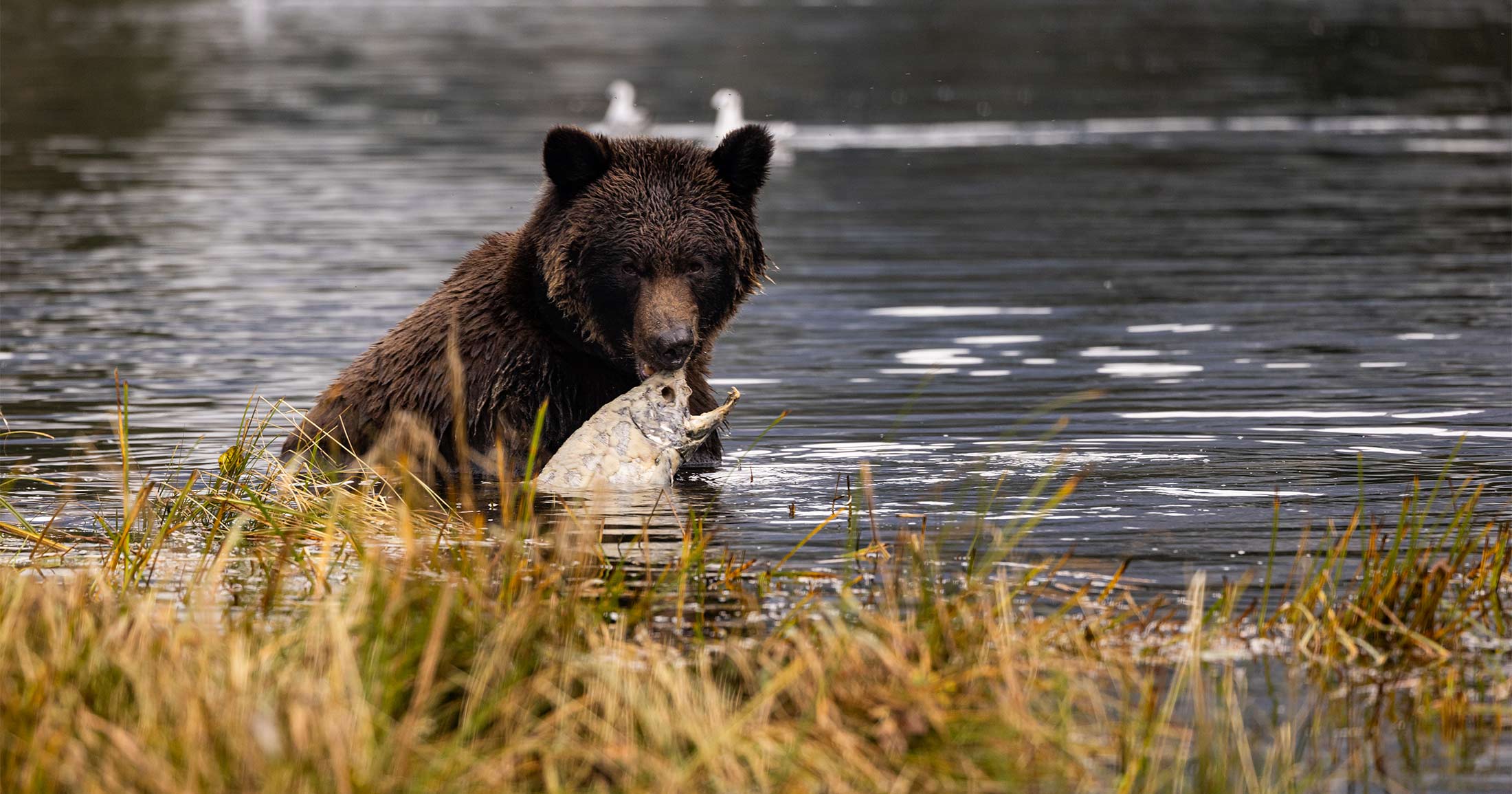
- Set salmon harvest at levels that optimize the benefits of spawning salmon to watersheds and wildlife.
- Shift away from historic management paradigms that minimize the number of spawning salmon reaching rivers and maximize harvest (called Maximum Sustainable Yield). Move towards fisheries management that meets salmon spawning targets that are ecologically based, not harvest-based.
- Shift harvest toward selective terminal fisheries (conducted in or near the rivers of origin) that respect the ‘place-based’ nature of salmon, and optimize the benefits to ecosystems, Indigenous cultures, and local communities.
2. Implement ecological-based governance
- Conservation planning and a commitment to sustainability that looks 7 generations ahead.
- A “whole-of-government” approach that implements shared solutions by Indigenous, federal, provincial, and municipal governments to achieve salmon recovery from inland watersheds and rivers, to the open ocean.
- Governance that honours Aboriginal rights and title, inherent Indigenous jurisdiction and law, and the United Nations Declaration on the Rights of Indigenous Peoples (UNDRIP) and the Declaration on the Rights of Indigenous Peoples Act (DRIPA).
- Sustainable funding strategies for watershed-scale restoration and planning.
3. Advance land-use policies that prioritize the health of wild salmon and biodiversity
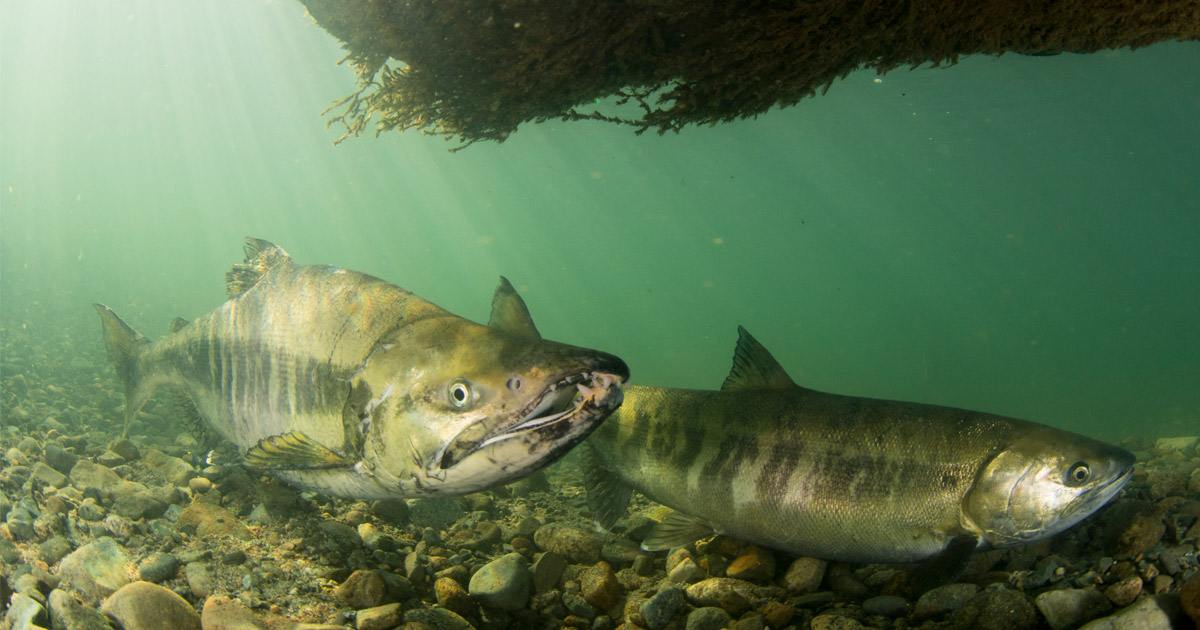
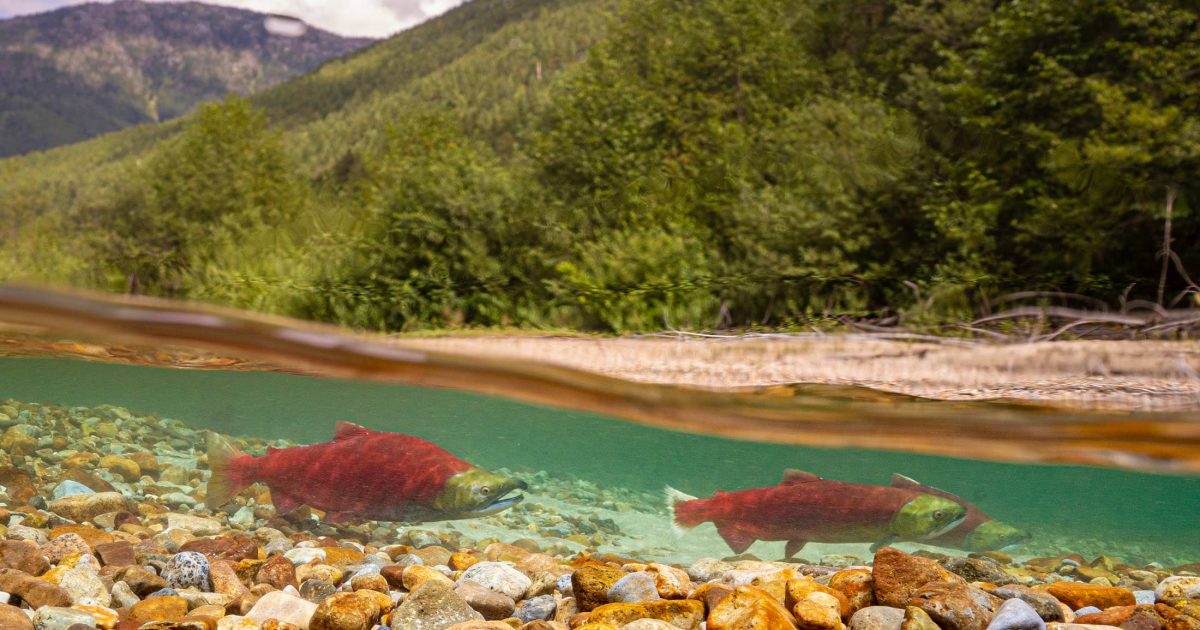
- Zoning that bolsters functioning watersheds and riparian habitat (i.e.protect natural features, limit impervious surfaces, reduce urban sprawl, adopt nature-based solutions).
- Forestry policy that prioritizes salmon health by restricting clear-cutting in salmon watersheds, and incentivizes a sustainable, second or third-growth forest economy.
- Climate adaptation policy that incentivizes nature-based solutions including natural shorelines, intact riparian areas, unrestricted floodplains, managed retreat, and use of rain-gardens in urban areas.
Our recent reports
Recent articles

We should be suspicious of grizzly bear numbers
By Chris Genovali, Executive Director Raincoast Conservation Vancouver Sun Published: Wednesday, May 14, 2008 Re: Bear attack prompts conservation officers to issue vigilance warning, May 8 In the article a spokesman for the provincial Ministry of the Environment claims that there are 17,000 grizzly bears in British Columbia. There is no credible basis for this…
Environmentalists decry hunting's record toll on B.C. grizzlies
MARK HUME From Tuesday’s Globe and Mail April 15, 2008 at 3:57 AM EDT VANCOUVER – A record number of grizzly bears were killed in British Columbia last year, according to new figures released yesterday by environmental organizations. “It’s kind of shocking … very disturbing,” Chris Genovali of the Raincoast Conservation Society said of provincial…
Rally sounded a warning. Is anybody listening?
Island’s old-growth forests continue to disappear while governments do little Special to Times Colonist, Page A11, April 03, 2008 It was heartening to see the strong show of support for Vancouver Island’s dwindling old growth forests (“Logging protesters circle legislature,” Times Colonist March 29) at the rally over the weekend. The Western Canada Wilderness Committee…
Greens call for grizzly-hunt moratorium after record year of kills
John Colebourn, The Province Published: Thursday, April 17, 2008 A record number of grizzly bears was killed in B.C. last year, prompting environmental groups to call for a moratorium on hunting the animals. Statistics obtained by the Raincoast Conservation Society show 430 grizzlies were killed in B.C. in 2007.
Calculating the true cost of salmon farming
The Georgia Straight April 3, 2008 By Chris Genovali There has been a strong push recently by governments in both the United States and Canada for citizens to increase their fish consumption because of health benefits. This presumptive dietary shift, along with the fact that the bulk of seafood caught in Canadian waters is exported,…
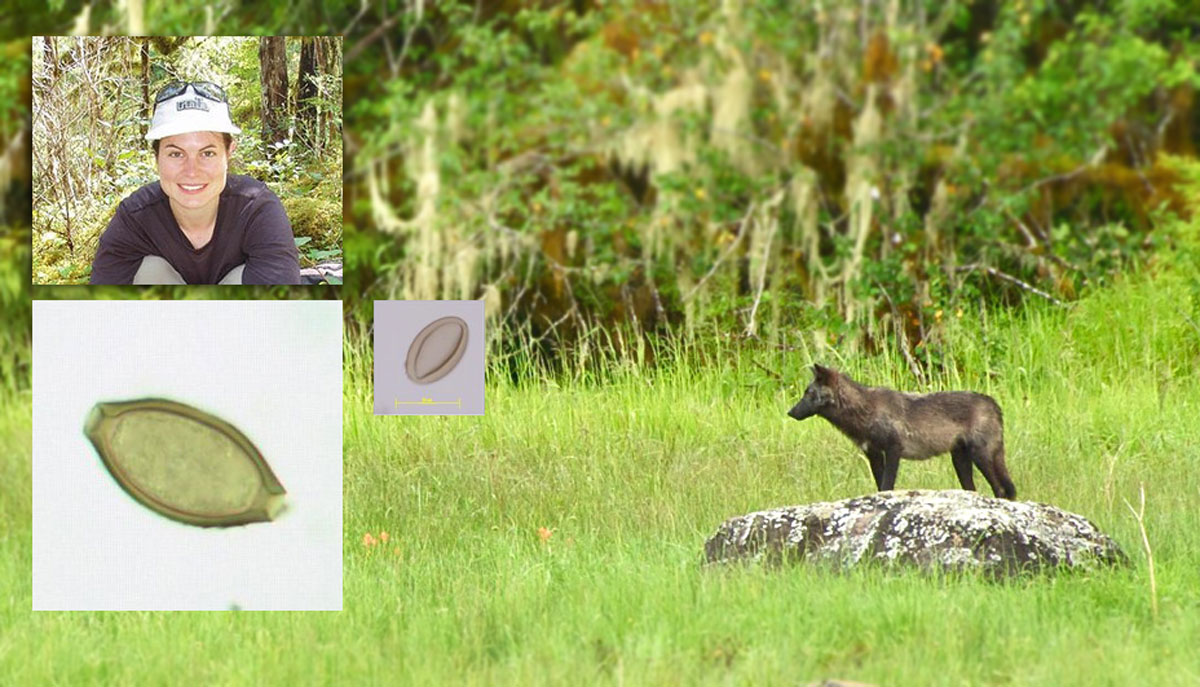
Notes from the Lab
Biologist Rainforest Wolf ProjectParasitology labUniversity of Saskatchewan, Saskatoon Peering down the eyepiece of my microscope, I scan a slide for larval stages of parasites. I find one that is familiar-a brown, translucent egg of the tapeworm Diphyllobothrium-and begin to count. One, two …. With the Wolf Project crew out of the field, our dedicated lab…