
Shifting salmon policy
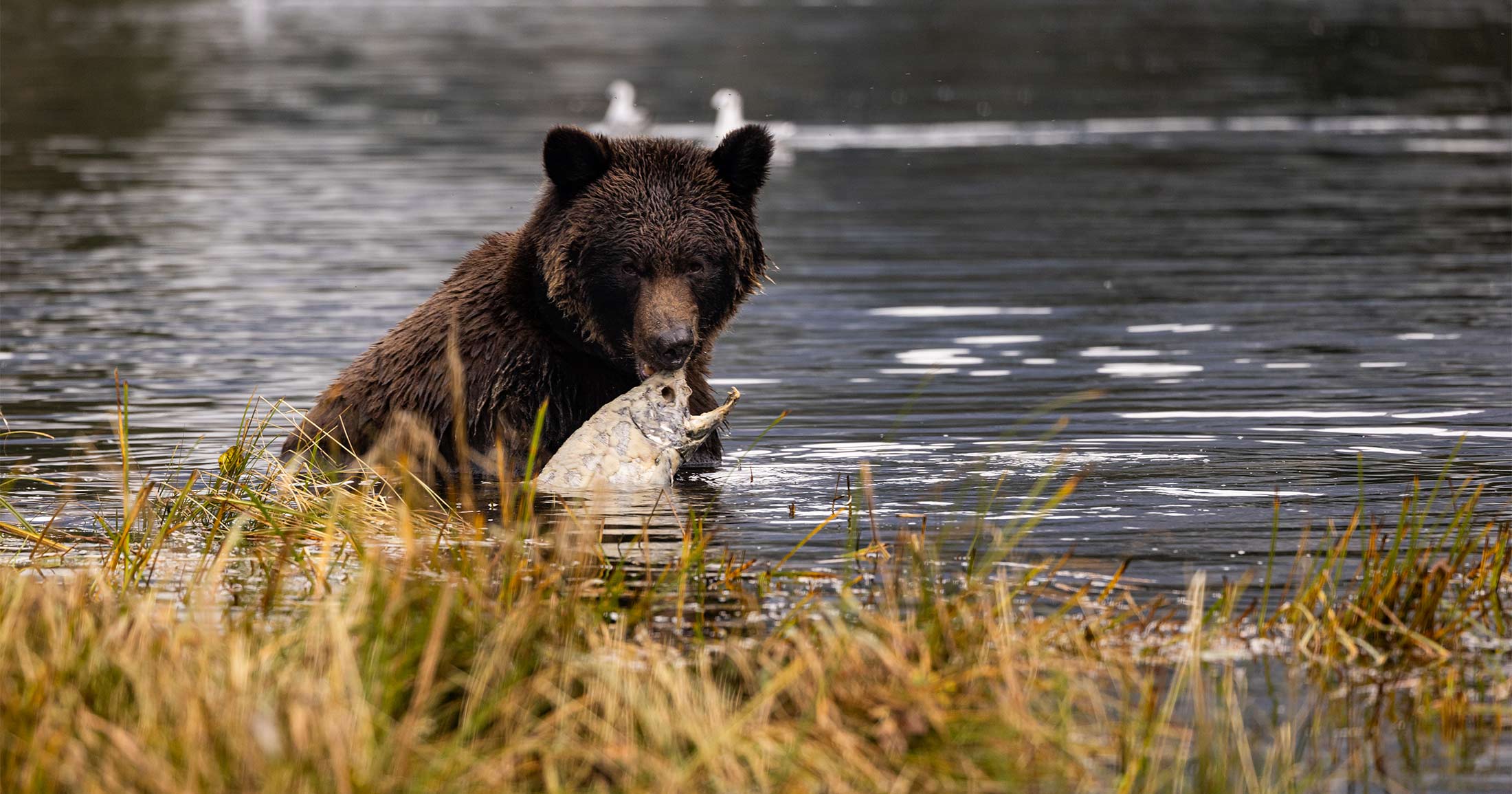
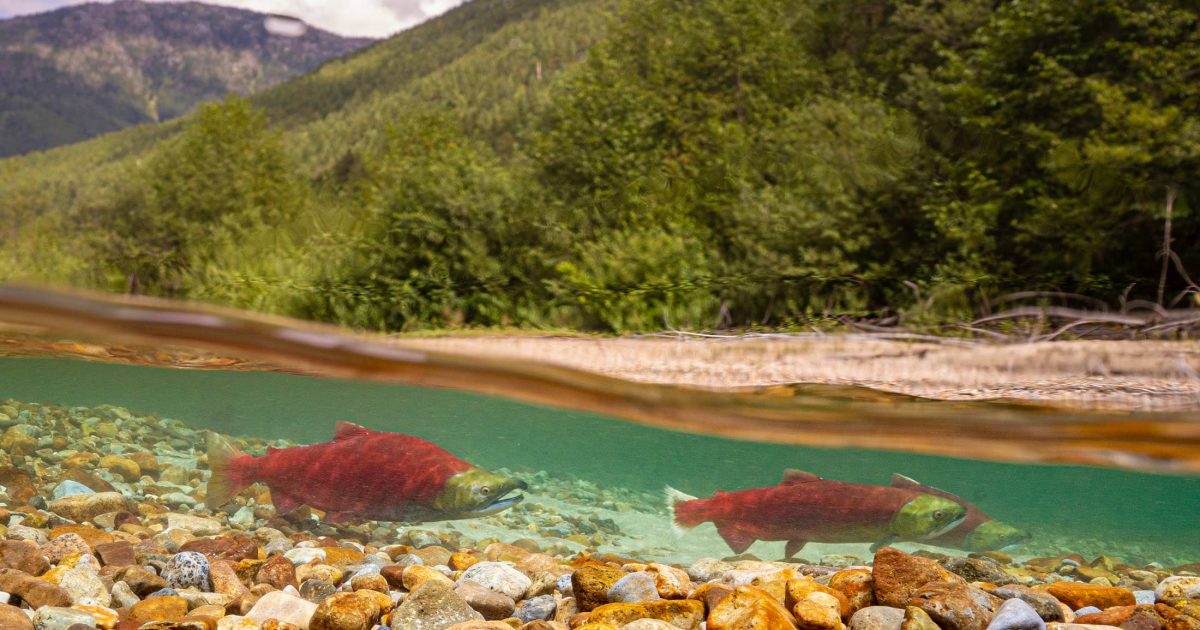
Photo by Alex Harris.
Ecosystems are complex. They are communities of living organisms connected through interacting processes and features on the land, in water, and between the two. Yet BC’s antiquated environmental policy doesn’t reflect this. Colonial society governs ecosystems by siloing them into distinct ministries and resources instead of reflecting the interconnected nature of habitats that make them function in the living world. This “siloed decision making”is the root cause of many of the ecological challenges we face today.
Our policy goals
1. Manage fisheries for ecosystems
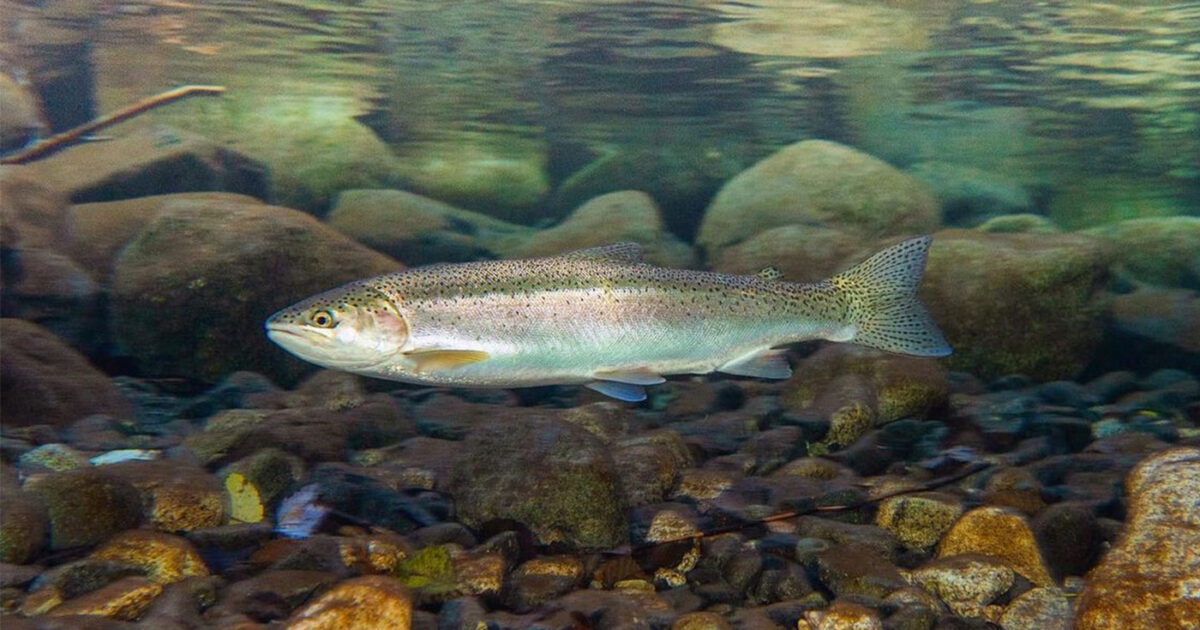
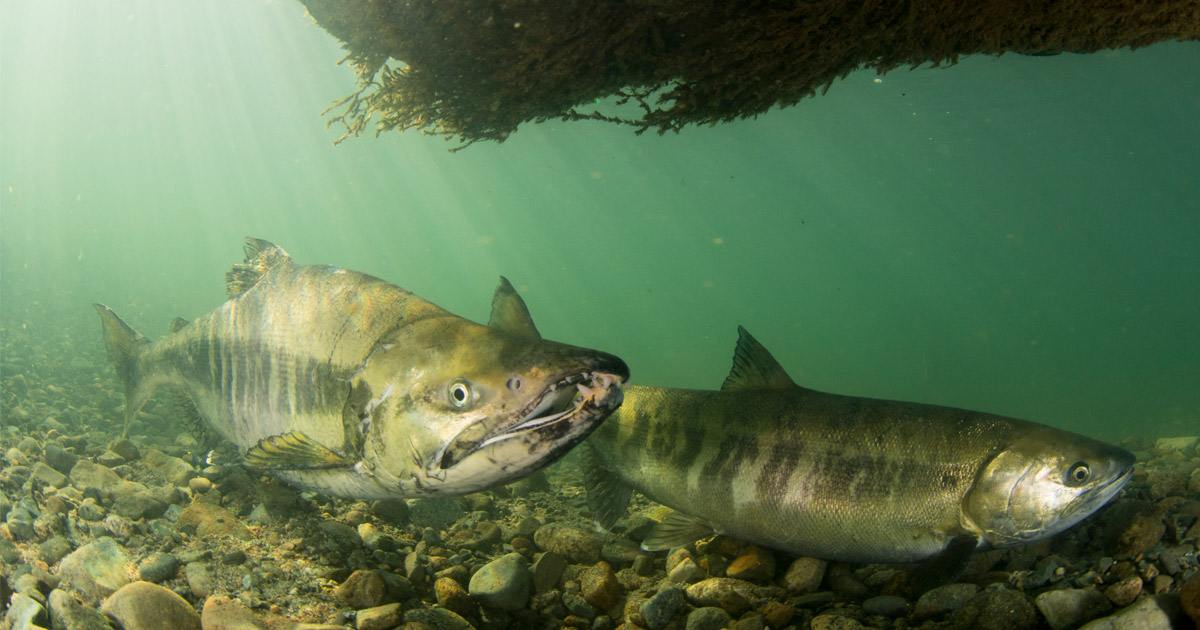
- Set salmon harvest at levels that optimize the benefits of spawning salmon to watersheds and wildlife.
- Shift away from historic management paradigms that minimize the number of spawning salmon reaching rivers and maximize harvest (called Maximum Sustainable Yield). Move towards fisheries management that meets salmon spawning targets that are ecologically based, not harvest-based.
- Shift harvest toward selective terminal fisheries (conducted in or near the rivers of origin) that respect the ‘place-based’ nature of salmon, and optimize the benefits to ecosystems, Indigenous cultures, and local communities.
2. Implement ecological-based governance
- Conservation planning and a commitment to sustainability that looks 7 generations ahead.
- A “whole-of-government” approach that implements shared solutions by Indigenous, federal, provincial, and municipal governments to achieve salmon recovery from inland watersheds and rivers, to the open ocean.
- Governance that honours Aboriginal rights and title, inherent Indigenous jurisdiction and law, and the United Nations Declaration on the Rights of Indigenous Peoples (UNDRIP) and the Declaration on the Rights of Indigenous Peoples Act (DRIPA).
- Sustainable funding strategies for watershed-scale restoration and planning.
3. Advance land-use policies that prioritize the health of wild salmon and biodiversity
- Zoning that bolsters functioning watersheds and riparian habitat (i.e.protect natural features, limit impervious surfaces, reduce urban sprawl, adopt nature-based solutions).
- Forestry policy that prioritizes salmon health by restricting clear-cutting in salmon watersheds, and incentivizes a sustainable, second or third-growth forest economy.
- Climate adaptation policy that incentivizes nature-based solutions including natural shorelines, intact riparian areas, unrestricted floodplains, managed retreat, and use of rain-gardens in urban areas.
Our recent reports
Recent articles

Wolves would rather fish than hunt, biologists say
The Ottawa Citizen Vancouver Sun Tom Spears Tuesday, September 02, 2008 Wolves would rather fish than hunt, says a new Canadian study that found British Columbia wolves turn up their noses at deer when they can catch spawning salmon. Not only is fish great food, the B.C. biologists found, but it’s also safer for wolves,…

Whose afraid of the big bad wolf? Salmon are
A four-year study of prey remains in wolf droppings and chemical analysis of shed hair shows the predators exclusively eating salmon when the fish was available …
British Columbia wolves have taste for salmon, new study finds
Financial Post Canwest News Service Published: Tuesday, September 02, 2008 A team of biologists has discovered “Canada’s newest marine mammal” — the wolf. A new Canadian study of the feeding patterns of British Columbia wolf packs found that they would rather fish than hunt. The study found that wolves routinely turn up their noses at…
Venison’s fine, but wolves prefer salmon
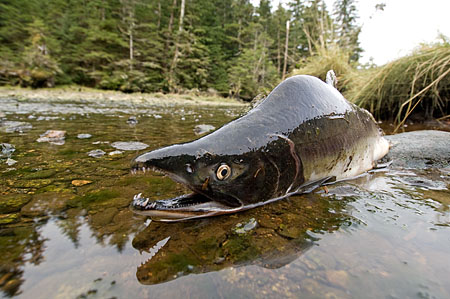
Wolves are not quite the red-blooded hunters we thought they were. It appears they prefer to dine on a nice piece of salmon rather than …
Oil Futures: We’re in for a whale of a time, one way or another
BY: CHRIS GENOVALI MONDAY MAGAZINE August 27, 2008 The International Union for Conservation of Nature (IUCN) recently released its 2008 list of threatened species of cetaceans (whales, dolphins and porpoises). While this news was reasonably encouraging for the global recovery of populations of humpback whales, these assessments have far-reaching impacts on their conservation management.

Paleolimnology workshop
Institute of Ocean Sciences October 8 and 9th, 2008Hosted by the Raincoast Conservation FoundationWorkshop of the Salmon Nutrient Research Community View the Poster (PDF) Leading scientists in the salmon nutrient and paleolimnology fields reviewed sediment core studies conducted in BC and Alaskan sockeye lakes. The goal of the workshop was to better understand what paleolimnological…