

Shifting salmon policy
Photo by Alex Harris.
Ecosystems are complex. They are communities of living organisms connected through interacting processes and features on the land, in water, and between the two. Yet BC’s antiquated environmental policy doesn’t reflect this. Colonial society governs ecosystems by siloing them into distinct ministries and resources instead of reflecting the interconnected nature of habitats that make them function in the living world. This “siloed decision making”is the root cause of many of the ecological challenges we face today.
Our policy goals
1. Manage fisheries for ecosystems
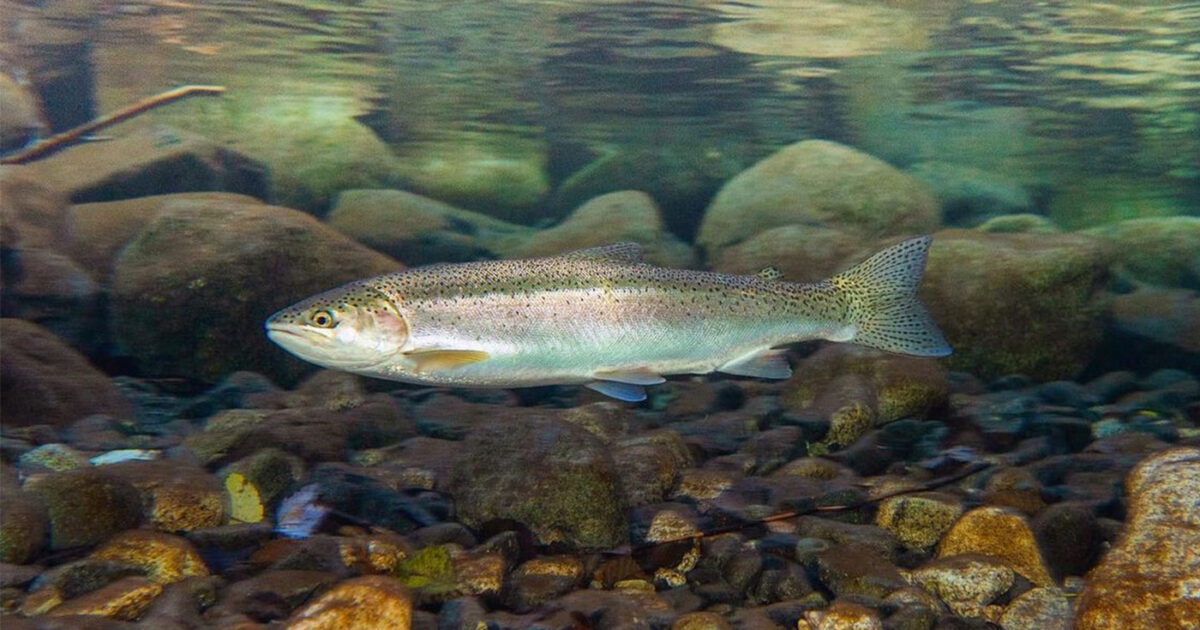
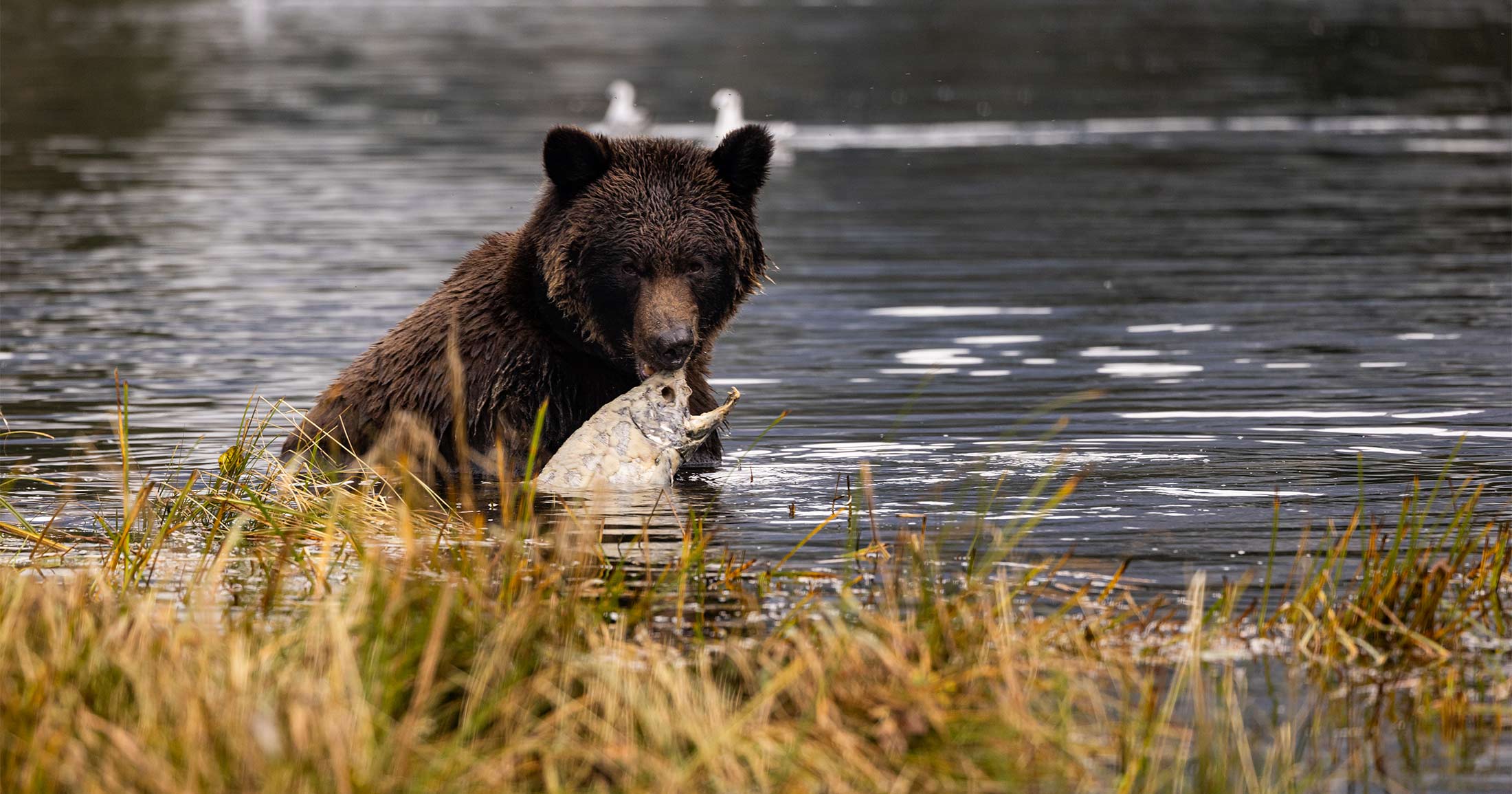
- Set salmon harvest at levels that optimize the benefits of spawning salmon to watersheds and wildlife.
- Shift away from historic management paradigms that minimize the number of spawning salmon reaching rivers and maximize harvest (called Maximum Sustainable Yield). Move towards fisheries management that meets salmon spawning targets that are ecologically based, not harvest-based.
- Shift harvest toward selective terminal fisheries (conducted in or near the rivers of origin) that respect the ‘place-based’ nature of salmon, and optimize the benefits to ecosystems, Indigenous cultures, and local communities.
2. Implement ecological-based governance
- Conservation planning and a commitment to sustainability that looks 7 generations ahead.
- A “whole-of-government” approach that implements shared solutions by Indigenous, federal, provincial, and municipal governments to achieve salmon recovery from inland watersheds and rivers, to the open ocean.
- Governance that honours Aboriginal rights and title, inherent Indigenous jurisdiction and law, and the United Nations Declaration on the Rights of Indigenous Peoples (UNDRIP) and the Declaration on the Rights of Indigenous Peoples Act (DRIPA).
- Sustainable funding strategies for watershed-scale restoration and planning.
3. Advance land-use policies that prioritize the health of wild salmon and biodiversity
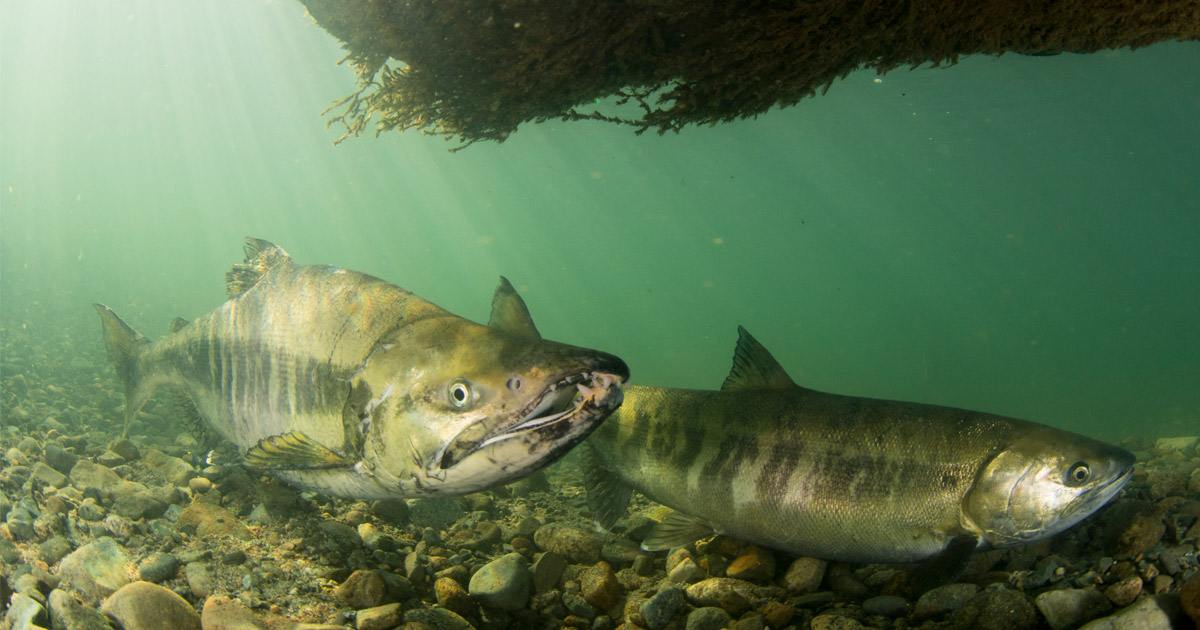
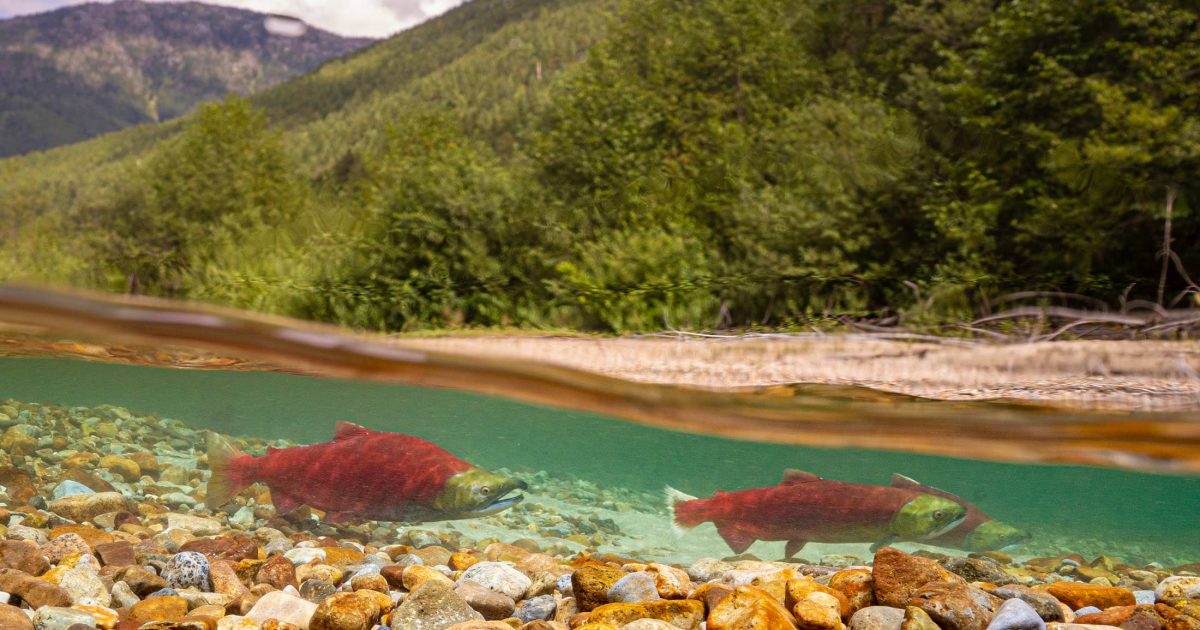
- Zoning that bolsters functioning watersheds and riparian habitat (i.e.protect natural features, limit impervious surfaces, reduce urban sprawl, adopt nature-based solutions).
- Forestry policy that prioritizes salmon health by restricting clear-cutting in salmon watersheds, and incentivizes a sustainable, second or third-growth forest economy.
- Climate adaptation policy that incentivizes nature-based solutions including natural shorelines, intact riparian areas, unrestricted floodplains, managed retreat, and use of rain-gardens in urban areas.
Our recent reports
Recent articles

Abstract: paleolimnology workshop
A two-day workshop in 2008 reviewed sediment core studies conducted in sockeye salmon lakes in BC, Alaska, and the US Pacific Northwest..

Host a movie night
A great way to spread awareness, have fun and generate support for coastal conservation is to host your own Raincoast evening. Make popcorn and show one of our award-winning films to a group of school kids or have your business friends over for a martini party. The spectrum is wide open. Raincoast staff are happy to give…
Raincoast Wolves posterchild
BC’s unique coastal wolves grace the cover of the Journal of Biogeography. The current issue features work by Raincoast scientists that concludes BC coastal wolves should be considered a distinct management unit (ESU) that warrant conservation. Journal of Biogeography Volume 36, Issue 8, 2009.
Raincoast speaks out on cougars
Read articles and letters written by Raincoast on BC cougar attacks and cougar management Monday Magazine Vancouver Sun /CanWest News Island Tides Monday Magazine
Raincoast speaks out on coastal tankers
Read letters published last week by Raincoast’s Executive Director on the proposed shipping of oil through BC waters Globe and Mail Kitimat Northern Sentinel
Review process fatally flawed
Kitimat Northern Sentinel July 22, 2009 Chris Genovali Re: “Channel Watch demands inquiry” (Sentinel, July 8), the federal government’s joint review panel (JRP) process for the proposed Enbridge “Northern Gateway” pipeline is fatally flawed as the parameters for assessing risk illogically stop at the putative Kitimat terminal.